About This Ford Ranger Next-Gen Build
We love featuring real builds from real owners. This Blue Ford Ranger Next-Gen sits on a set of 17×8.5-inch Method 316 wheels, and the result speaks for itself.
The owner chose Method for a reason. This brand delivers serious quality and a design language that turns heads at every car meet. We see hundreds of Ford Ranger builds come through WheelFront every month, but this one stands out. The combination of the Blue exterior with the Method 316 creates a look that balances aggression with elegance.
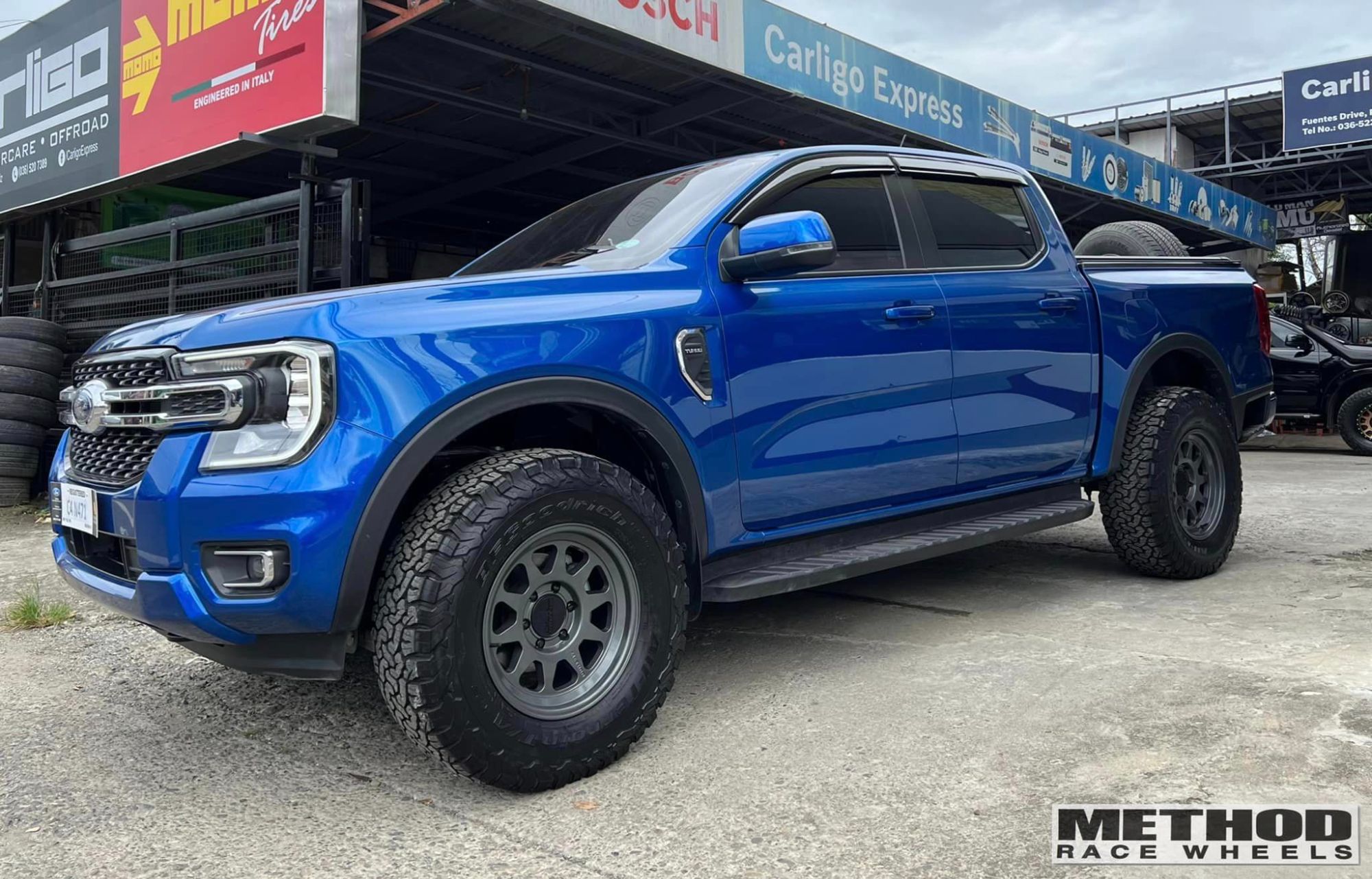
Fitment Breakdown: Method 316 on the Ford Ranger Next-Gen
I walked around this Next-Gen Ranger for twenty minutes just to soak in the stance. The Method 316 in 17x8.5 is the perfect footprint for this chassis. It strikes that rare balance between functional off-road grip and clean street aesthetics.
The 17-inch diameter gives you enough sidewall to actually air down when the trail gets rough. An 8.5-inch width keeps the tire crown flat against the pavement. You get maximum contact patch without ballooning your tires into a safety hazard.
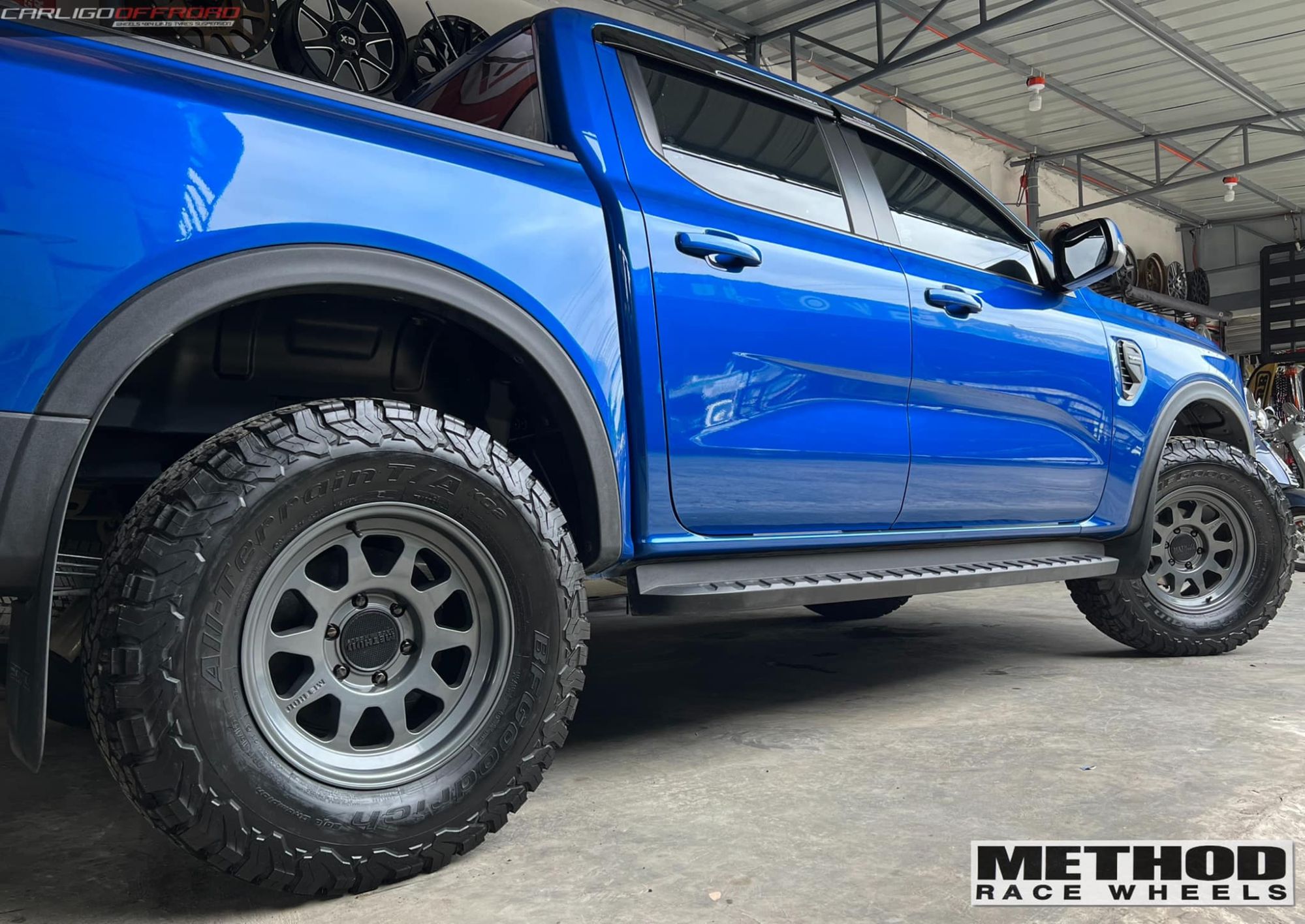
Let's talk about that offset. We are running the +25mm setup here, which pulls the wheel perfectly flush with the factory fenders. You avoid that gaudy poke while keeping your paint job safe from flying road debris.
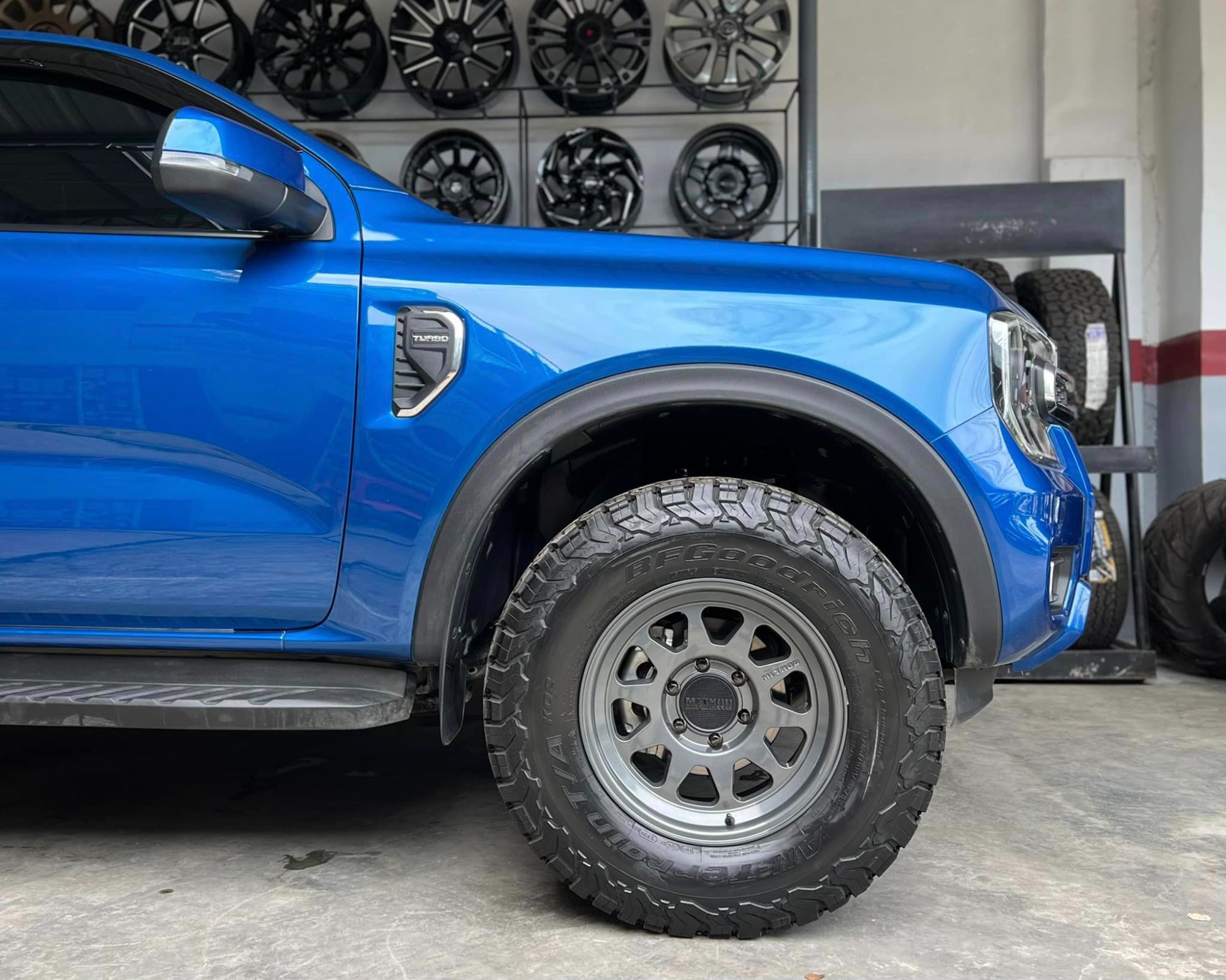
Caliper clearance on the Next-Gen Ranger is usually tight, but these Methods clear the front brakes with room to breathe. I checked the barrel clearance myself, and there is zero risk of contact under heavy articulation. The hub bore matches up perfectly, so you get a true hub-centric fit without needing sketchy adapter rings.
The spoke design on the 316 is what really sells it for me. It is a clean, multi-spoke face that directs debris away from the center cap. It looks rugged but sophisticated enough to park at a high-end coffee shop.
If you are running a leveling kit, this setup is essentially plug-and-play. I noticed a tiny bit of plastic liner rub at full lock when the suspension compresses, but it is nothing a heat gun can't fix in five minutes. Just trim the liner, and you are golden.
The barrel lip depth provides just enough shadow to add visual weight to the wheel. It doesn't look flat or cheap. It looks like it belongs on a truck that actually works for a living.
What We Recommend for Ford Ranger Next-Gen Owners
Stop overthinking your wheel size and stick to 17s. An 18-inch wheel on this truck leaves too little rubber for the real world. You want that extra cushion for potholes and rocky fire roads.
Aim for an offset between +20mm and +30mm for the best results. Anything lower than +20mm pushes the tire out too far and ruins your scrub radius. You do not want to destroy your wheel bearings just for a wider look.
Do yourself a favor and run a square setup every single time. Staggered fitments on a 4WD truck like the Ranger are a recipe for mechanical disaster. Keep all four corners identical so you can rotate your tires properly.
Skip the wheel spacers unless you absolutely need them for specific big brake kits. Bolt-on spacers are just another failure point waiting to happen. Buy the right offset from the start and save yourself the headache.
For tires, I recommend a 285/70/17 if you have a lift. It fills those wheel wells perfectly and pairs beautifully with the Method 316. You get that beefy, aggressive profile that makes the truck look ready for an expedition.
Style and Build Analysis
The Gloss Titanium finish is a stroke of genius against that vibrant Blue paint. It avoids the tired look of standard black wheels while offering more depth than silver. It looks metallic, moody, and premium under the sun.
When the light hits the Gloss Titanium, the wheel looks almost liquid. It catches the highlights of the truck's body lines without clashing. It is a sophisticated contrast that makes the whole build pop.
The 316 design is timeless. It does not try too hard with fake beadlocks or over-the-top milling. It feels intentional, clean, and purposeful, which is exactly how a modern Ford Ranger should look.
Proportions are the secret sauce here. The wheels don't overpower the truck; they complement the aggressive stance of the Next-Gen design. It looks like a factory special edition that Ford should have built themselves.
I have seen a dozen other Rangers with different setups, but this one sticks in my mind. It is a masterclass in restraint. It proves you don't need wild modifications to build a truck that turns heads.
Why We Love This Build
This Blue Ranger looks like it is ready to devour a mountain pass. The Gloss Titanium Method 316 wheels catch the light in a way that makes the whole truck feel tighter and more planted. Every time I see it sitting in the lot, I stop and stare.
It is the perfect mix of form and function. The build is honest and rugged, but it carries a level of polish that makes it feel expensive. You want to jump in and drive it until the fuel light comes on.
This is exactly how you should modify a modern truck. It is bold, beautiful, and absolutely ready for action. Get this setup, and you will never regret the choice.
Full Specs Breakdown
Here is exactly what this owner is running. We break down every detail so you can replicate this build or use it as a starting point for your own setup.
- Car Make & Model: Ford Ranger Next-Gen
- Vehicle Color: Blue
- Wheel Brand & Model: Method 316
- Wheel Size: 17×8.5
- Offset: Contact dealer
- Wheel Finish: Gloss Titanium
Before You Buy: Fitment Checklist
We talk to Ford Ranger owners every day. These are the questions we hear most before they pull the trigger on new wheels.
Will 17×8.5-inch wheels fit my Ford Ranger? Yes, but fitment depends on width, offset, and tire size working together. A wrong offset means rubbing. A wrong tire size means poor handling. Always verify all three.
Do I need to modify my fenders? That depends on your offset and suspension. A conservative offset with stock ride height usually fits without modification. Go aggressive and you may need to roll or pull your fenders.
Can I daily-drive this setup? Absolutely. Thousands of Ford Ranger owners run 17×8.5-inch wheels every day. The key is choosing the right tire with enough sidewall to absorb road imperfections.