About This Dodge Challenger Build
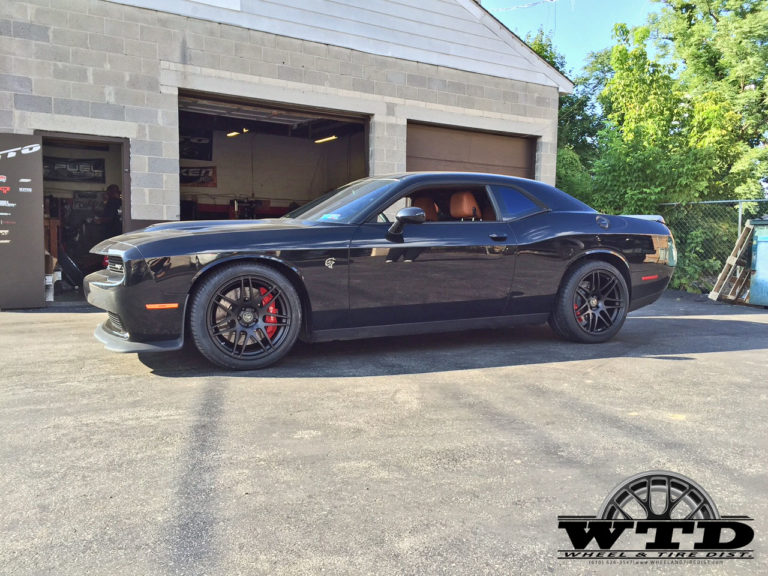
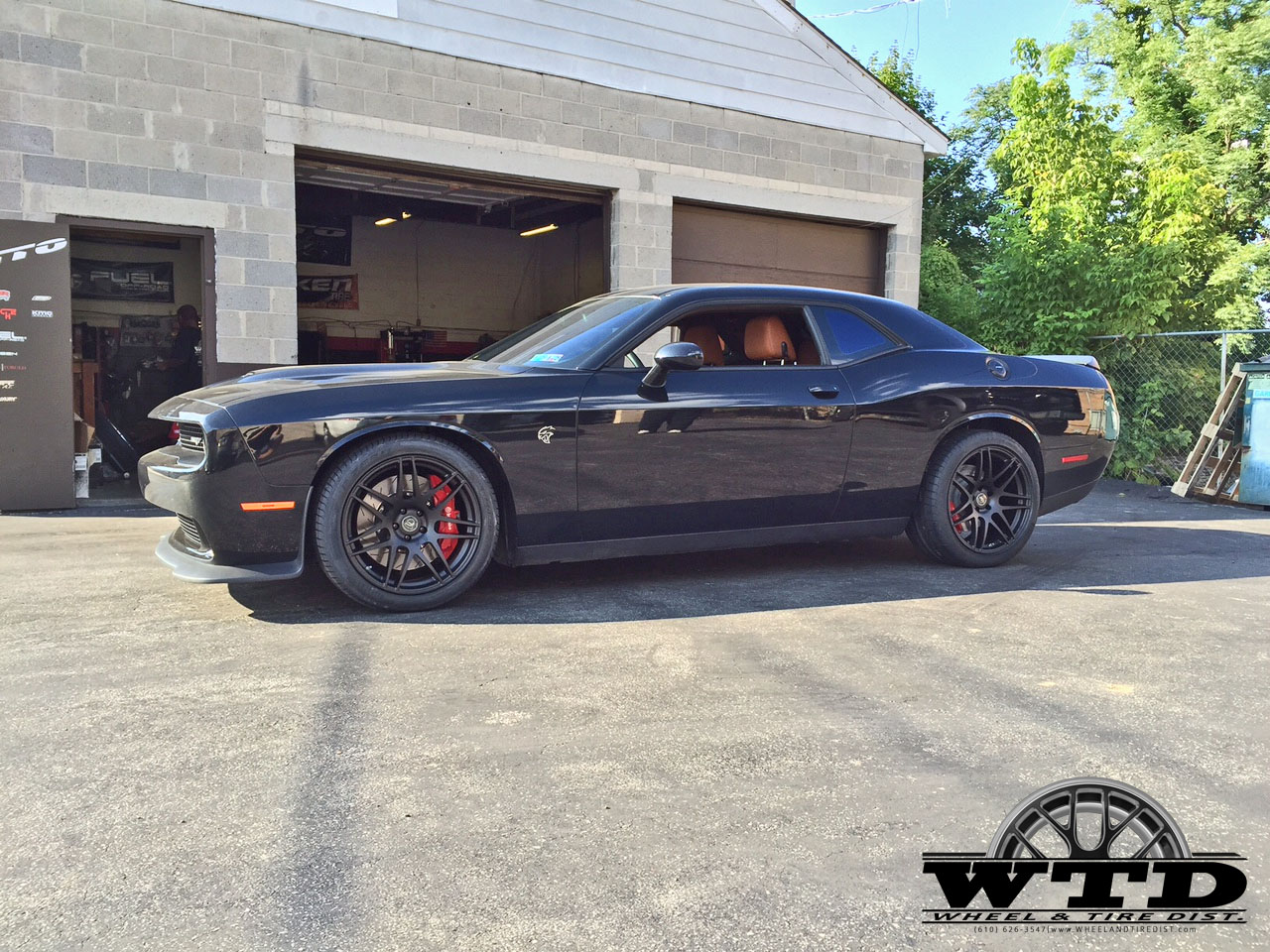
We love featuring real builds from real owners. This Black Dodge Challenger sits on a set of 20×9.5 and 20×11-inch Forgestar F14 wheels, and the result speaks for itself.
The owner chose Forgestar for a reason. This brand delivers serious quality and a design language that turns heads at every car meet. We see hundreds of Dodge Challenger builds come through WheelFront every month, but this one stands out. The combination of the Black exterior with the Forgestar F14 creates a look that balances aggression with elegance.
Fitment Breakdown: Forgestar F14 on the Dodge Challenger
I walked around this Challenger at the show and the stance honestly floored me. We are looking at a 20x9.5 front and a massive 20x11 rear setup. This staggered approach gives the car that aggressive, rear-biased muscle car look we all crave.
The Forgestar F14 is a legend for a reason because it clears those big Brembo calipers with ease. We noticed plenty of breathing room behind the spokes, which prevents that annoying scraping sound. You won't need to worry about clearance issues on the front hub bore either.
That 20x11 rear wheel provides a deep, concave profile that makes the car look planted. We love how the offset pushes the wheel right to the edge of the fender. It creates a flush line that eliminates that sunken, factory-weak look.
The fender gap on this build sits tight thanks to a well-dialed coilover setup. We always warn guys to check for rubbing on the inner plastic liners during hard cornering. If you drop it too low, you might need a slight fender roll to keep things safe.
Forgestar uses a flow-forming process that keeps these wheels light without sacrificing strength. This matters because the Challenger is a heavy beast that punishes its unsprung weight. You definitely feel the difference in steering feedback compared to those boat-anchor factory wheels.
The spoke design pulls your eye straight to the center caps. It manages to look both racing-inspired and street-tough at the same time. This is exactly how you dial in a heavy Mopar platform for the street.
What We Recommend for Dodge Challenger Owners
If you want this look, stick to the 20-inch diameter. Going any larger makes the tires too thin and ruins the ride quality on our rough city streets. We suggest keeping the width at 9.5 or 10 up front to avoid tramlining issues.
When you pick your offsets, aim for that flush aesthetic without going too aggressive. You want the tire to sit square under the arch rather than poking out like a skater kid's ride. Too much poke ruins the suspension geometry and destroys your paint with rock chips.
We always tell people to run a staggered setup on these cars. The Challenger needs that extra meat in the rear to put the power down properly. Running a square setup just leaves too much performance on the table for a high-torque V8.
Watch out for the tire choice because it changes everything. Don't stretch a skinny tire onto that 11-inch wide wheel just to be trendy. Grab a meaty 305 or 315 rear tire to fill those wells and give you the traction you actually need.
Avoid cheap spacers if you can possibly help it. They introduce vibration and put extra stress on your wheel studs. If you buy the right offset from the start, you never have to deal with that headache.
Style and Build Analysis
The murdered-out look is a classic for a reason. Placing Satin Black F14s against a glossy Black body creates a menacing, monochromatic vibe. It looks like something that escaped from a secret government testing facility.
The contrast between the satin finish and the deep gloss paint is pure genius. It adds texture to the car so the wheels don't just disappear into the shadows. You can see the details of the spokes even when the lighting gets dim.
I think the F14 design suits the boxy, muscular lines of the Challenger perfectly. The thin, straight spokes cut through the visual bulk of the car's heavy fenders. It makes a big car look surprisingly athletic and agile.
We have seen hundreds of Challengers, but this one hits differently. Many owners go for chrome or bright silver, which feels dated now. This dark, stealthy approach feels modern and purposeful.
The proportions here are spot on for a pro-touring style build. It doesn't look like a show-only ornament that can't handle a canyon road. This car looks ready to hunt down stoplights and carve up mountain passes.
Why We Love This Build
This car caught our eye the moment it rolled into the lot. The Satin Black finish catches the sun just enough to highlight the sharp lines of the Forgestar spokes. It fills the wheel arches with purpose and menace.
We love builds that don't try too hard but get every single detail right. This Challenger is a masterclass in clean, aggressive modification. It makes us want to clear our calendars and go for a long midnight cruise.
If you want to transform your own Mopar into a true street machine, start here. This is the blueprint for how to do it right. Stop talking about it and get these wheels on your car today.
Full Specs Breakdown
Here is exactly what this owner is running. We break down every detail so you can replicate this build or use it as a starting point for your own setup.
- Car Make & Model: Dodge Challenger
- Vehicle Color: Black
- Wheel Brand & Model: Forgestar F14
- Wheel Size: 20×9.5 and 20×11
- Offset: Contact dealer
- Wheel Finish: Satin Black
Before You Buy: Fitment Checklist
We talk to Dodge Challenger owners every day. These are the questions we hear most before they pull the trigger on new wheels.
Will 20×9.5 and 20×11-inch wheels fit my Dodge Challenger? Yes, but fitment depends on width, offset, and tire size working together. A wrong offset means rubbing. A wrong tire size means poor handling. Always verify all three.
Do I need to modify my fenders? That depends on your offset and suspension. A conservative offset with stock ride height usually fits without modification. Go aggressive and you may need to roll or pull your fenders.
Can I daily-drive this setup? Absolutely. Thousands of Dodge Challenger owners run 20×9.5 and 20×11-inch wheels every day. The key is choosing the right tire with enough sidewall to absorb road imperfections.