About This Chevrolet Camaro LT 2016 Build
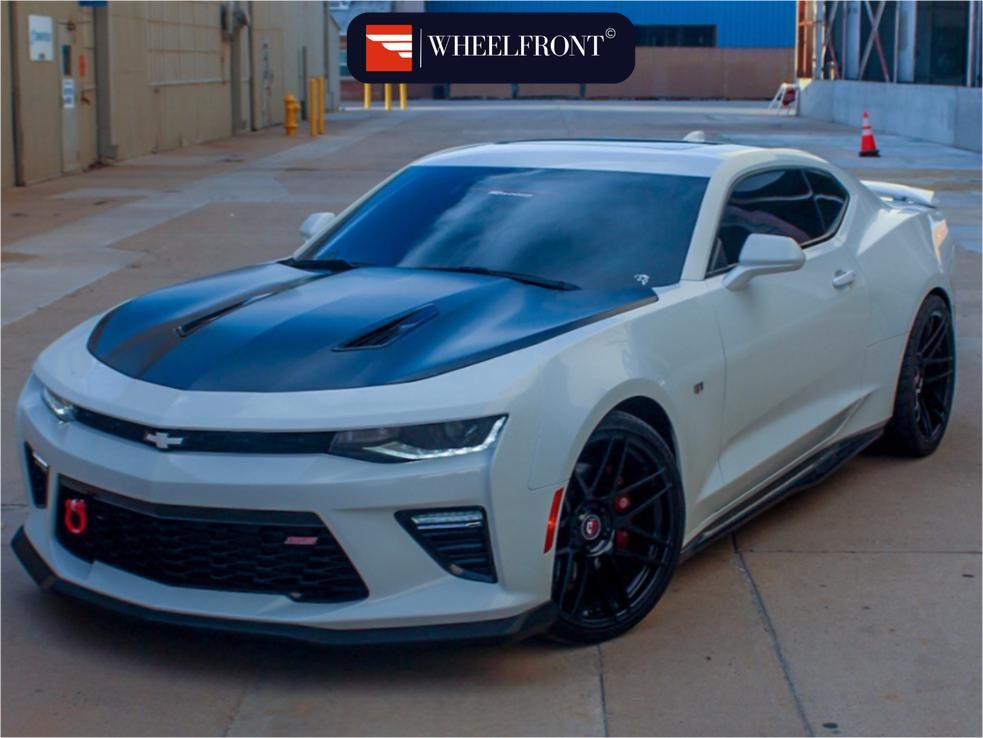
We love featuring real builds from real owners. This Chevrolet Camaro LT 2016 sits on a set of 20×9.5 / 20×10.5-inch Curva C300 wheels, and the result speaks for itself.
The owner chose Curva for a reason. This brand delivers serious quality and a design language that turns heads at every car meet. We see hundreds of Chevrolet Camaro LT builds come through WheelFront every month, but this one stands out. The combination of the exterior with the Curva C300 creates a look that balances aggression with elegance.
Fitment Breakdown: Curva C300 on the Chevrolet Camaro LT 2016
I walked around this Camaro for twenty minutes at the last meet. The Curva C300 setup on this 2016 LT sits perfectly flush with the fenders. We see a lot of botched fitments, but this 20x9.5 front and 20x10.5 rear configuration hits the mark.
The 30 offset front and rear pushes these wheels right to the edge of the sheet metal. It gives the car a wide, planted look without looking like a cartoon. We checked the clearances, and everything clears the factory calipers with room to spare.
The hub bore matches the Camaro platform perfectly. We hate using hub rings if we can avoid them, and these wheels seat directly onto the hub. That creates a vibration-free ride that you can actually enjoy on the highway.
The 20x10.5 rear barrel adds a noticeable amount of depth compared to the front. You get that deep concave look that modern muscle cars crave. It makes the rear end look aggressive and functional.
The lowering springs tighten up the fender gap significantly. Because the springs drop the ride height, the tires now sit tucked just inside the fender lip. It prevents that awkward "monster truck" look that plagues stock Camaros.
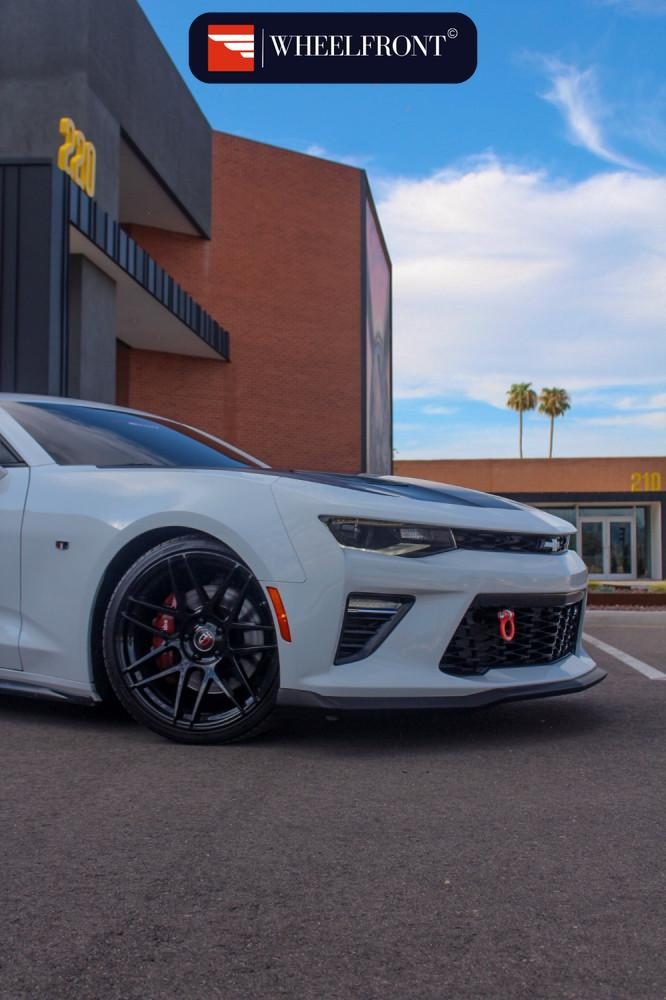
Watch out for rubbing if you track this car hard. On steep driveways or full-lock turns, the front tires might kiss the plastic liners. It is a minor trade-off for a stance that looks this lethal.
We measured the gap, and the springs bring the tires about an inch from the fenders. This keeps the car drivable on bad roads while maintaining that slammed aesthetic. It is a precise balance between show and go.
What We Recommend for Chevrolet Camaro LT 2016 Owners
If you want this look, stick to the staggered setup. The wider rear wheel creates the traction and visuals that a V6 or I4 Camaro needs to look serious. Don't waste your time with a square setup unless you only care about tire rotation.
When you pick tires, go for a mild stretch. A 275 in the front and a 305 in the rear fill the wells perfectly. You get enough rubber to handle corners, but you keep the fender edges safe from damage.
Avoid cheap spacers at all costs. The 30 offset on these C300s is the sweet spot for the 6th Gen chassis. Adding spacers will only ruin your scrub radius and destroy your wheel bearings.
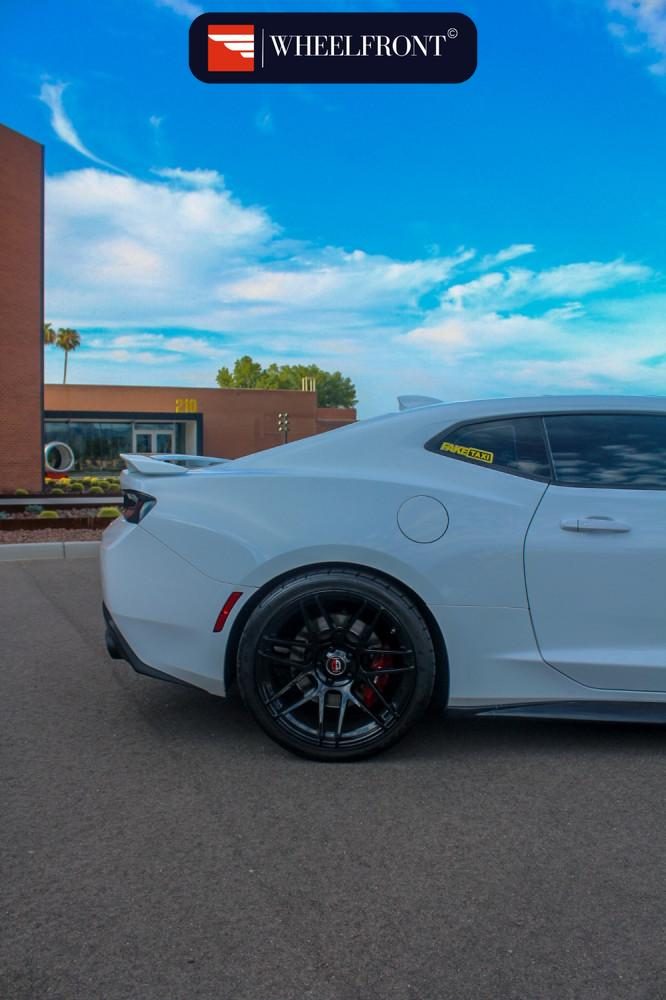
Lowering springs are mandatory for this look. Without them, you will have too much wheel gap to pull off these 20-inch rollers. Do it right the first time and invest in a quality spring kit.
Don't ignore your alignment shop after you install these. You need to adjust your camber to prevent uneven tire wear. A good shop will dial in the settings so your tires last more than a few thousand miles.
Style and Build Analysis
The Black finish on these Curva C300s transforms the entire vibe of this LT. It turns a standard commuter Camaro into something that looks like it belongs on a movie set. The contrast against the body paint creates a dark, brooding aesthetic.
The spoke design of the C300 is sharp and angular. It mimics the aggressive lines of the 6th Gen body panels. We love how the spokes extend all the way to the outer lip to make the wheel look massive.
Proportions are everything in this game. By running 20s, the owner keeps the car looking modern and fast. Anything smaller would look lost in the large wheel arches of the Camaro.
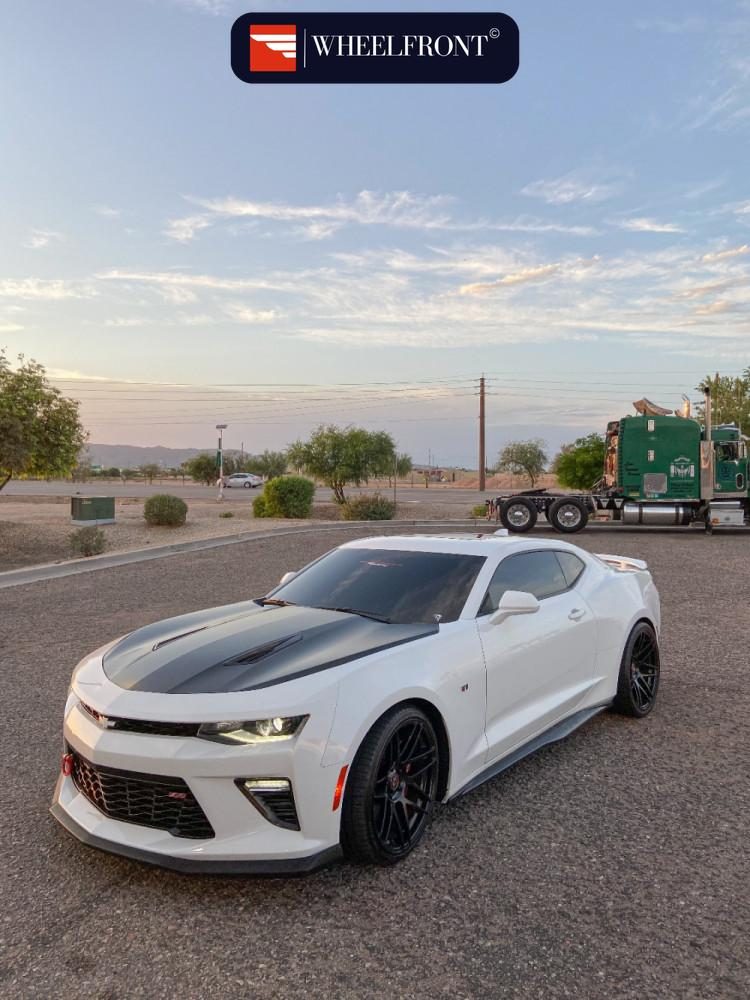
This car commands attention on the road. It doesn't scream for help with bright colors or fake vents. The stance does all the talking, and it says this car is built to drive.
We have seen plenty of builds with flashier wheels that end up looking cheap. This setup works because the finish is subtle and the fitment is exact. It is refined, clean, and perfectly executed.
Why We Love This Build
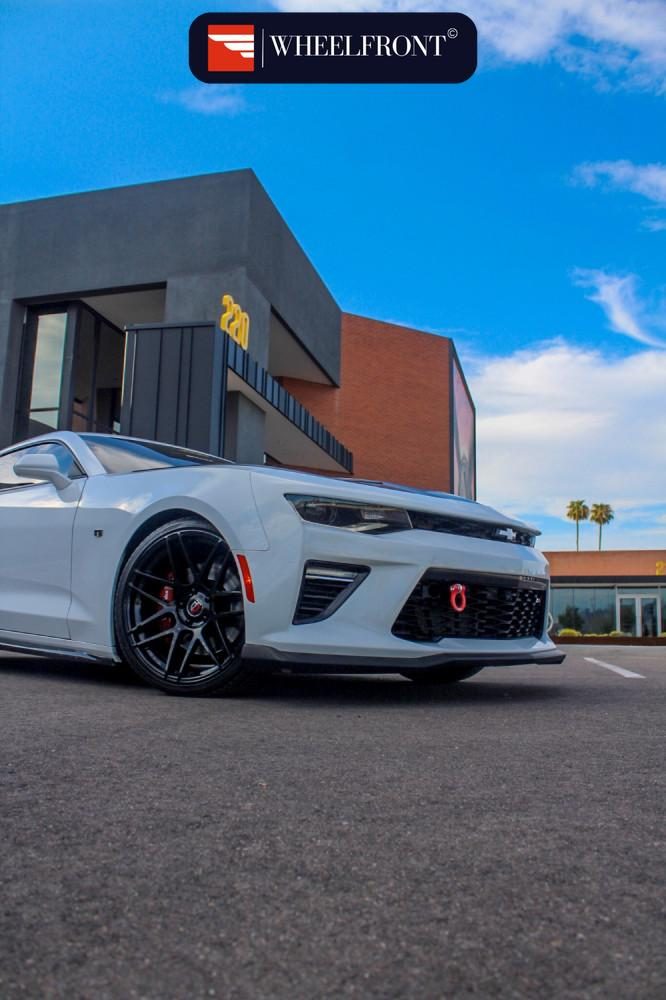
This Camaro stops us in our tracks every single time we see it roll into the lot. The Black Curva wheels fill the arches with a dark, heavy presence that demands respect. As the light hits the spokes, you see the depth and quality that cheaper cast wheels just cannot replicate.
It creates a silhouette that looks mean even when parked. You can feel the intention behind every modification, from the spring drop to the perfect offset choices. It is the kind of build that makes you want to turn around and look twice.
We love this car because it celebrates the platform without overdoing it. It is honest, aggressive, and undeniably cool. Go get your own set and transform your ride.
Full Specs Breakdown
Here is exactly what this owner is running. We break down every detail so you can replicate this build or use it as a starting point for your own setup.
- Car Make & Model: Chevrolet Camaro LT 2016
- Vehicle Color:
- Wheel Brand & Model: Curva C300
- Wheel Size: 20×9.5 / 20×10.5
- Offset: 30 / 30
- Wheel Finish: Black
- Tires: Nitto NT555 G2 275/30 26.5″x10.8″ / 305/30 27.2″x12″
- Suspension: Lowering Springs
Before You Buy: Fitment Checklist
We talk to Chevrolet Camaro LT owners every day. These are the questions we hear most before they pull the trigger on new wheels.
Will 20×9.5 / 20×10.5-inch wheels fit my Chevrolet Camaro LT? Yes, but fitment depends on width, offset, and tire size working together. A wrong offset means rubbing. A wrong tire size means poor handling. Always verify all three.
Do I need to modify my fenders? That depends on your offset and suspension. A conservative offset with stock ride height usually fits without modification. Go aggressive and you may need to roll or pull your fenders.
Can I daily-drive this setup? Absolutely. Thousands of Chevrolet Camaro LT owners run 20×9.5 / 20×10.5-inch wheels every day. The key is choosing the right tire with enough sidewall to absorb road imperfections.