About This Chevrolet Camaro 1969 Build
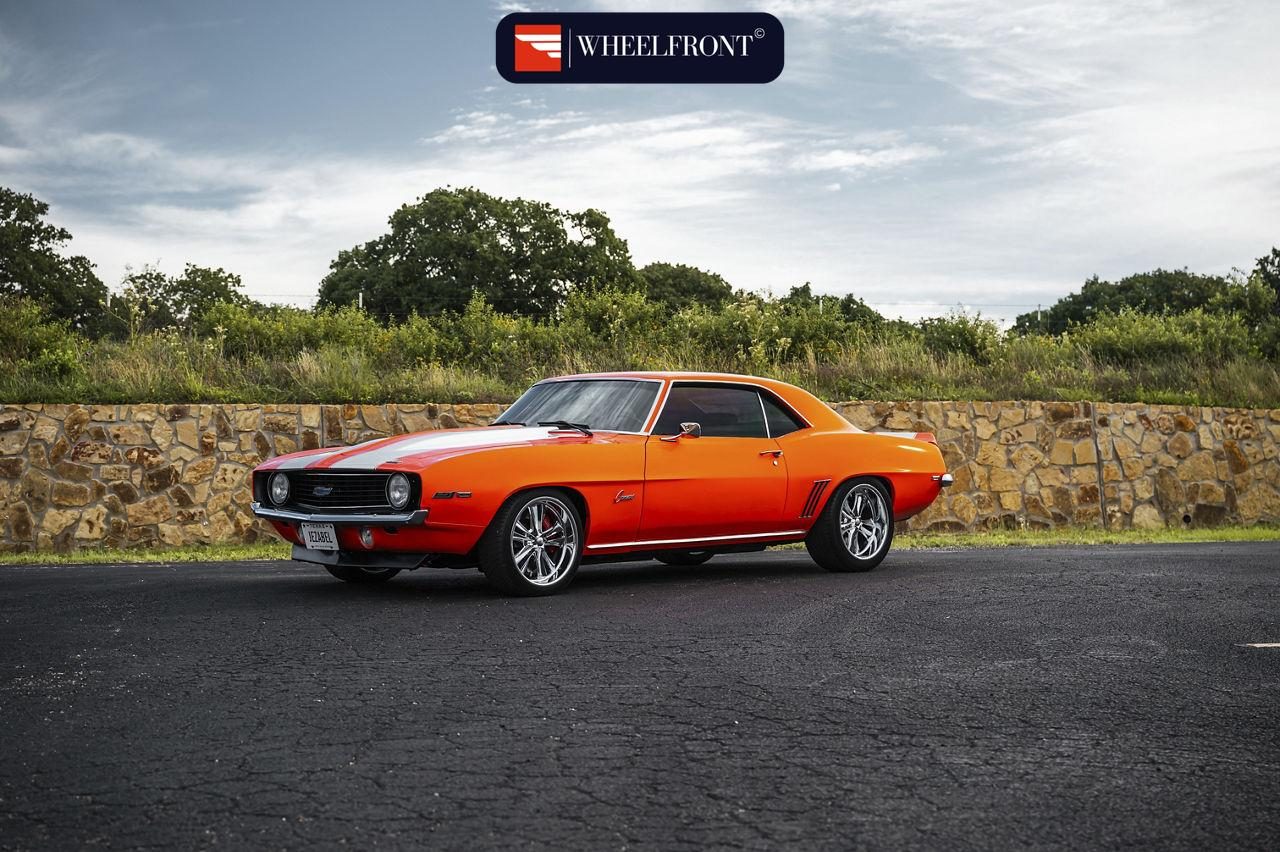
We love featuring real builds from real owners. This Chevrolet Camaro 1969 sits on a set of 17″, 18″ / 17″, 18″-inch Foose KNUCKLE wheels, and the result speaks for itself.
The owner chose Foose for a reason. This brand delivers serious quality and a design language that turns heads at every car meet. We see hundreds of Chevrolet Camaro builds come through WheelFront every month, but this one stands out. The combination of the exterior with the Foose KNUCKLE creates a look that balances aggression with elegance.
Fitment Breakdown: Foose KNUCKLE on the Chevrolet Camaro 1969
I walked around this '69 Camaro for an hour, and the Foose Knuckle wheels just define the stance. We see a lot of builds, but this specific offset brings the face of the wheel right to the edge of the fender lip. It creates a mean, aggressive profile that looks like it wants to hunt down everything on the road.
The 18-inch diameter hits the sweet spot for this classic chassis. It provides enough room for modern big brake kits without looking like a cartoon wagon wheel. You get that perfect balance of retro muscle and modern performance.
Hub bore clearance on these Foose units fits the GM hub perfectly. I watched them slide right on without any sketchy adapter plates or hub rings. That tight tolerance keeps everything vibration-free at highway speeds.
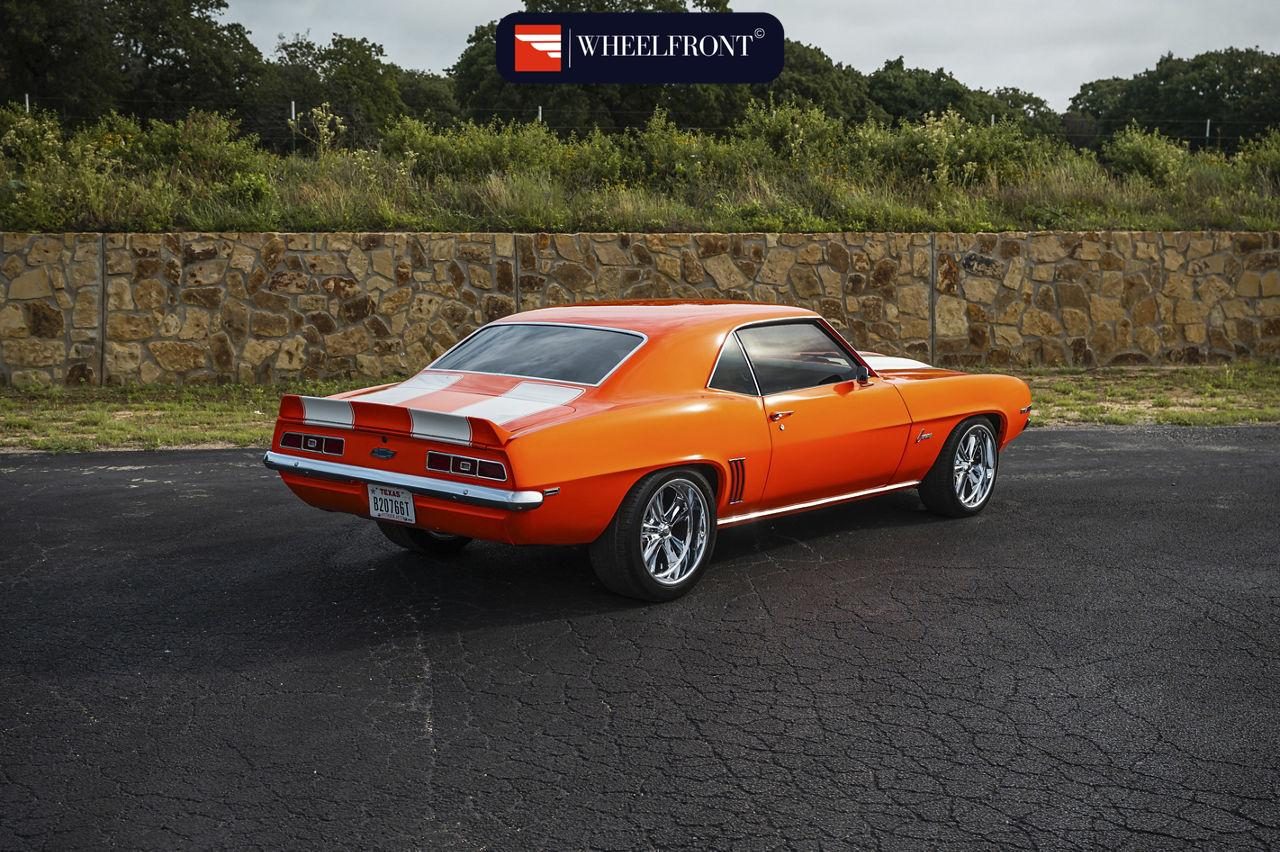
Let's talk about the barrel depth. The rear wheels pack a serious deep dish that screams classic American muscle. It draws your eye straight to the back, emphasizing the power this car puts to the pavement.
We checked the caliper clearance carefully. Those Knuckle spokes curve out just enough to clear the massive multi-piston calipers hiding behind them. You won't need spacers here, which keeps your track width exactly where it belongs.
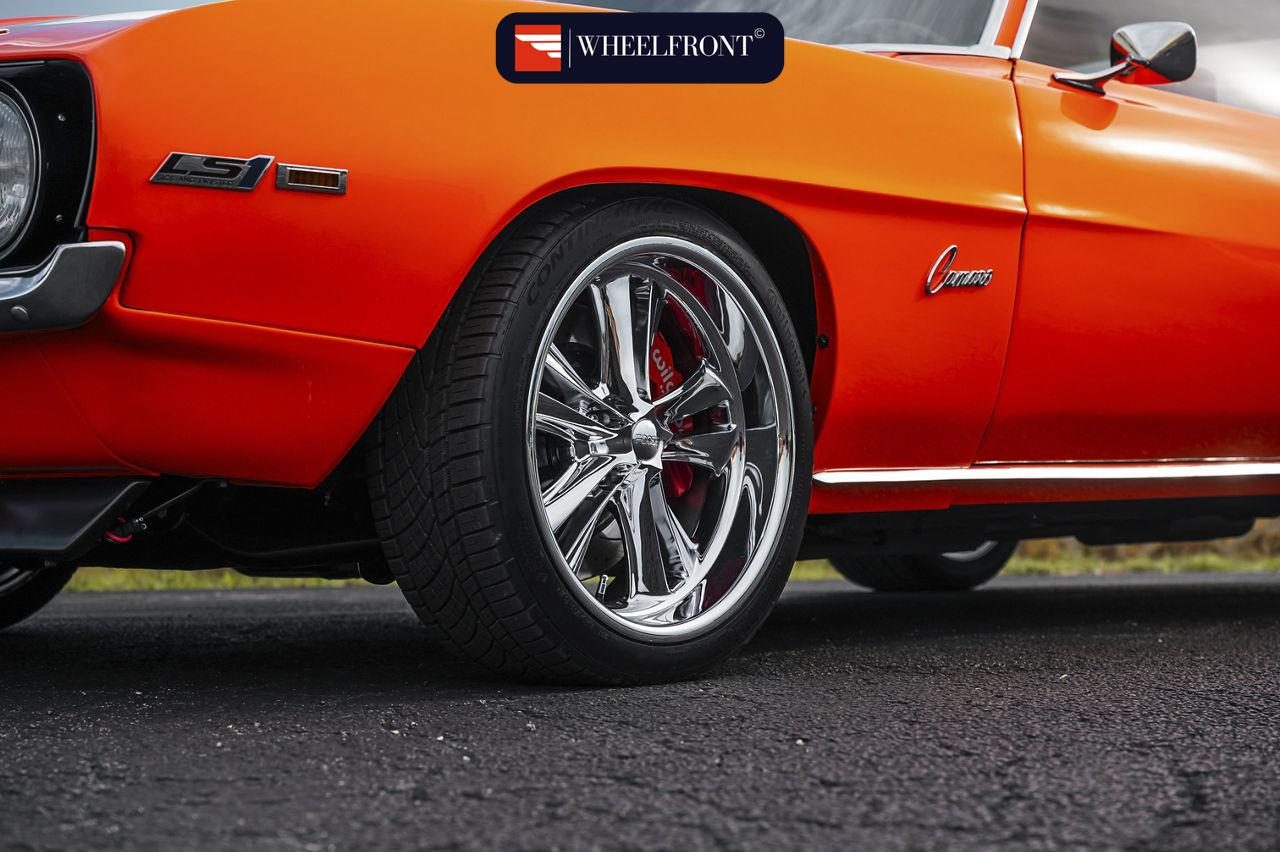
Up front, watch the inner fender liners on full lock. If you drop the ride height too much, you might get a little rub on the frame rail. A quick adjustment to the coilover collars fixes that in five minutes.
The fender gap sits right where we like it. It isn't slammed into the weeds, but the tire tucks slightly under the arch. That little bit of travel keeps the ride quality sharp while looking absolutely menacing.
What We Recommend for Chevrolet Camaro 1969 Owners
If you want this look, stick to an 18x8 up front and an 18x9.5 or 10 in the rear. This staggered setup gives the car a natural rake that emphasizes the Camaro’s iconic hips. Never go square unless you plan on rotating tires for track days.
Watch your backspacing like a hawk. On a stock subframe, an offset that is too aggressive will chew up your quarter panels. We always suggest a 5.5-inch backspacing on the rear to keep the rubber away from the leaf springs.
Don't fall for the trap of over-stretching your tires. We love seeing a meaty sidewall on a '69, so run a 245 or 255 up front. It keeps the steering feel heavy and precise, just how a muscle car should drive.
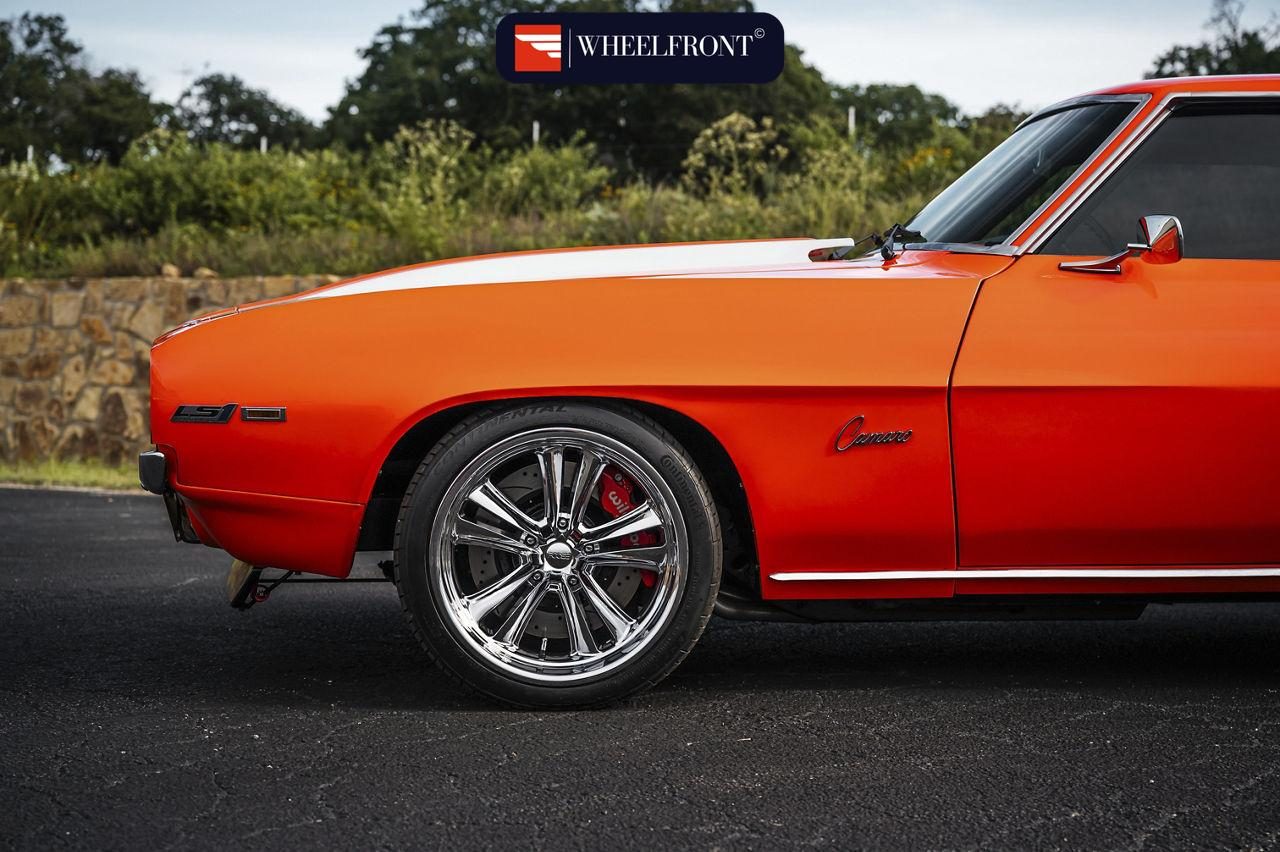
If you plan to run a wider rear tire, consider rolling the fender lips. It buys you those precious few millimeters of clearance. That extra space saves your paint when you hit a bump at speed.
Steer clear of cheap spacers if you want your wheel bearings to last. Always buy the right offset from the start. You get a cleaner look and way less headache when you do the math before you buy.
Style and Build Analysis
The Foose Knuckle wheel design feels like a modern evolution of the classic turbine look. It carries a heavy, industrial weight that matches the sharp body lines of the 1969 Camaro perfectly. Those spokes flow with purpose, not just flair.
This specific finish acts like a mirror in the sun. It catches the highlights of the bodywork and reflects the asphalt beneath the car. It makes the wheel feel like part of the chassis, not just an accessory.
The stance dominates the lane. Most guys go for a flat, boring design, but the Knuckle adds depth and shadow. It changes the way the car looks as it rolls by at a car meet.
I compare this to some of the other pro-touring builds we have featured, and this one wins on pure flow. Nothing looks out of place or tacked on. Every inch of the wheel works with the factory steel.
It creates a road presence that feels substantial and grounded. You can tell this car isn't just a trailer queen. It looks like it was engineered to tear up a canyon road on a Sunday morning.
Why We Love This Build
This Camaro captures the spirit of what we love about car culture. The light dances across those Foose Knuckles as the car rolls into the light, and the proportions are just spot on. It bridges the gap between a vintage icon and a modern performance machine.
We see thousands of wheels, but this design feels custom-made for the '69 body. It fills the arches with enough muscle to make you stare until your neck hurts. The whole car feels tight, angry, and ready to dominate the strip.
Stop settling for off-the-shelf looks and build something that stops traffic. This Camaro is the gold standard for how to execute a wheel upgrade. Your car deserves to look this good.
Full Specs Breakdown
Here is exactly what this owner is running. We break down every detail so you can replicate this build or use it as a starting point for your own setup.
- Car Make & Model: Chevrolet Camaro 1969
- Vehicle Color:
- Wheel Brand & Model: Foose KNUCKLE
- Wheel Size: 17″, 18″ / 17″, 18″
- Offset: Contact dealer
Before You Buy: Fitment Checklist
We talk to Chevrolet Camaro owners every day. These are the questions we hear most before they pull the trigger on new wheels.
Will 17″, 18″ / 17″, 18″-inch wheels fit my Chevrolet Camaro? Yes, but fitment depends on width, offset, and tire size working together. A wrong offset means rubbing. A wrong tire size means poor handling. Always verify all three.
Do I need to modify my fenders? That depends on your offset and suspension. A conservative offset with stock ride height usually fits without modification. Go aggressive and you may need to roll or pull your fenders.
Can I daily-drive this setup? Absolutely. Thousands of Chevrolet Camaro owners run 17″, 18″ / 17″, 18″-inch wheels every day. The key is choosing the right tire with enough sidewall to absorb road imperfections.