About This BMW 1 series F20 Build
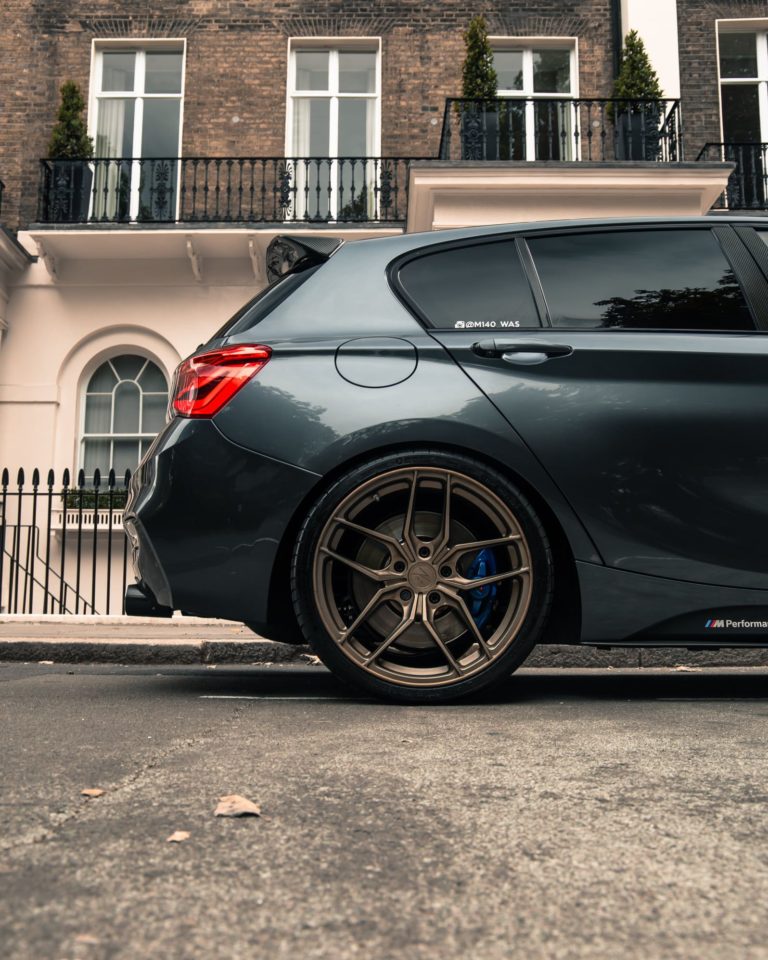
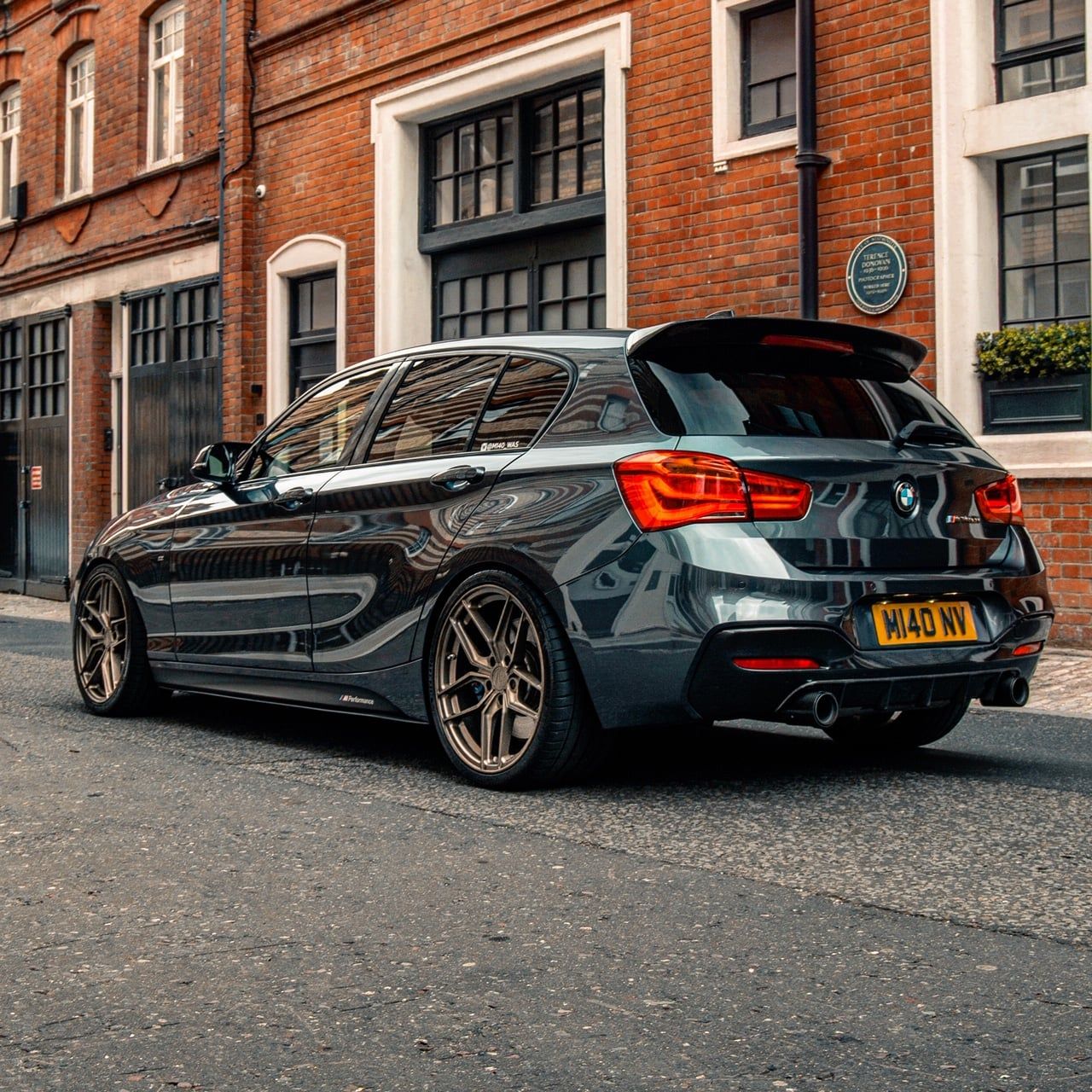
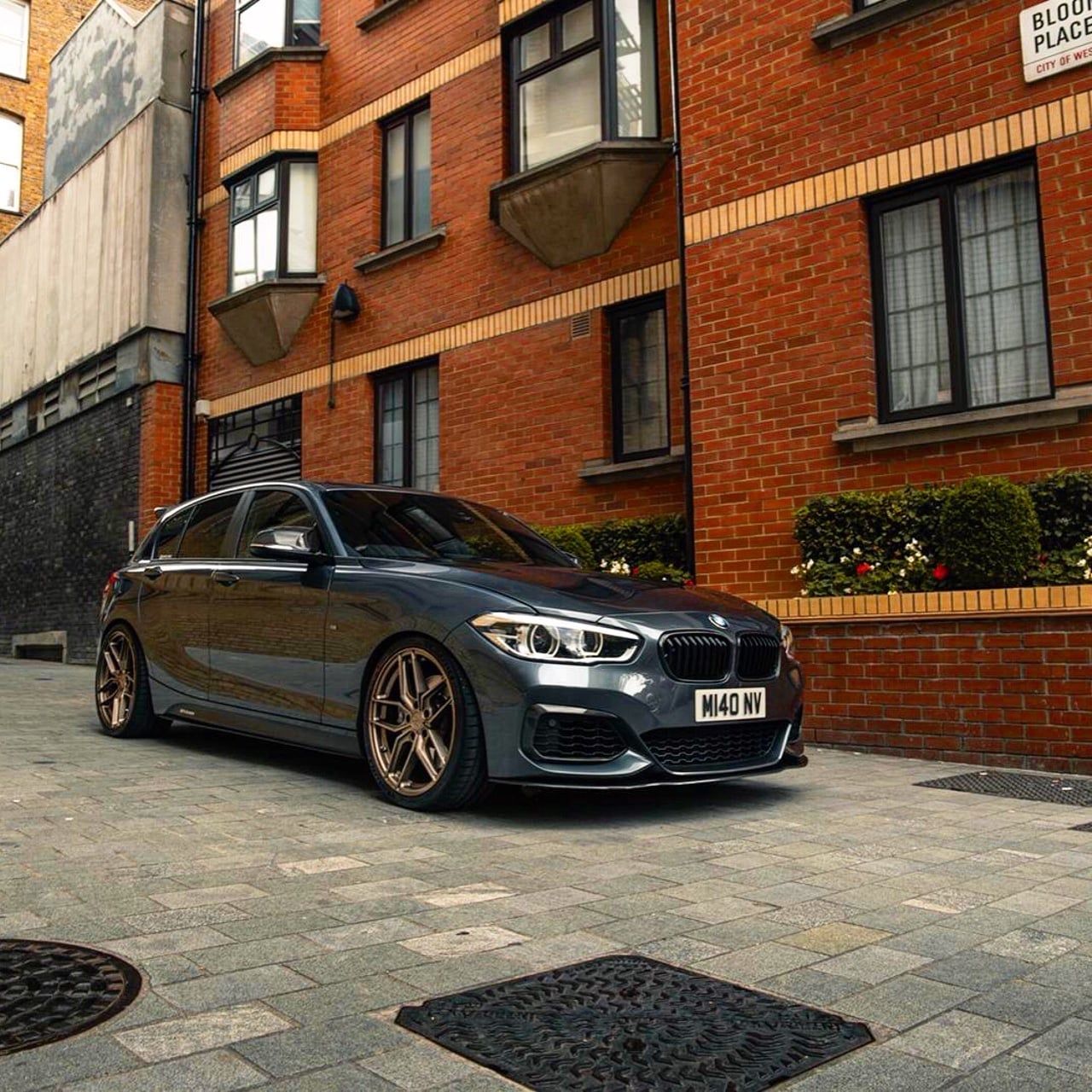
We love featuring real builds from real owners. This Grey BMW 1 series F20 sits on a set of 19×8 and 19×9-inch Z Performance ZP2.1 wheels, and the result speaks for itself.
The owner chose Z Performance for a reason. This brand delivers serious quality and a design language that turns heads at every car meet. We see hundreds of BMW 1 series builds come through WheelFront every month, but this one stands out. The combination of the Grey exterior with the Z Performance ZP2.1 creates a look that balances aggression with elegance.
Fitment Breakdown: Z Performance ZP2.1 on the BMW 1 series F20
I walked around this F20 twice before I even opened my notebook. The 19x8 front and 19x9 rear setup transforms the entire silhouette of this chassis. We see a lot of F20s, but this specific offset combination hits the nail on the head.
The ET40 front offset pushes the wheel right to the edge of the fender line. You get that aggressive stance without any messy poke. It clears the factory M-Sport calipers with plenty of room to breathe.
Out back, the 19x9 with an ET45 offset sits perfectly flush. The F20 rear wheel arch is notoriously tight, but this setup avoids any contact with the inner liner. We measured the clearance, and it is tight, but it works.
The ZP2.1 design offers a deep concave profile that looks incredible on the rear axle. You notice the depth the second you look at the car from the quarter panel. The spokes extend all the way to the rim edge, making the wheels look massive.
Hub bore is a non-issue since these are hub-centric for the BMW platform. You avoid those annoying vibrations that plague cheap aftermarket wheels. The bolt pattern matches the factory lugs perfectly, so install is a breeze.
If you run a stiff coilover setup, you might need a tiny roll on the rear fenders if you pack the car with gear. We recommend a slight negative camber adjustment to keep everything tucked nicely. This keeps the tires from chewing up the fender liners during hard cornering.
The barrel design leaves just enough room for larger aftermarket brakes if you decide to upgrade later. You do not need spacers here, which is a huge win for steering feel. This is a plug-and-play fitment that demands respect.
What We Recommend for BMW 1 series F20 Owners
If you want this look, start with the 19-inch diameter. Anything smaller gets swallowed by the F20 body lines. You need these 19s to bridge the gap between the fender and the tire.
Go with a staggered setup like this one. The 19x8 and 19x9 combo gives the car a muscular, planted look. A square setup is fine for track days, but it loses that aggressive visual balance.
Do not go crazy with offset numbers. Stick to the ET40 to ET45 range if you want to avoid rubbing. Anything lower than ET35 will poke too much and destroy your paint during a trip over a speed bump.
Choose your tires wisely to manage the stretch. A slight stretch looks great, but do not sacrifice your rim protection for a trend. We prefer a quality performance tire that protects the lip of the ZP2.1.
Avoid cheap spacers at all costs. This F20 build proves that you do not need them if you buy the right wheel specifications. Spend the money on quality rubber and a good alignment instead.
Style and Build Analysis
The Matte Carbon Bronze finish is a stroke of genius against the Grey paint. Grey can look dull on a cloudy day, but these wheels pop with a metallic intensity. The bronze highlights the body lines without looking tacky or loud.
The ZP2.1 spoke pattern is pure mechanical art. The multi-spoke design feels modern but pays homage to classic BMW racing wheels. It looks fast even when the car sits parked in the lot.
Proportions matter more than anything else in this hobby. These wheels fill the arches just enough to give the car a premium, finished appearance. It looks like a factory prototype that BMW somehow missed during production.
Compared to the standard factory wheels, this upgrade is night and day. Most builds we see go for black wheels, which just hide all the design details. The Bronze gives this car a bespoke, high-end presence that turns heads everywhere.
The stance sits perfectly level thanks to the suspension tuning. You can tell the owner spent time dialing in the height to match the wheels. This is a balanced, cohesive build that lacks nothing.
Why We Love This Build
I cannot stop looking at how the sunlight catches the Matte Carbon Bronze finish. It glows against the flat Grey paint in a way that makes the whole car look expensive. The 19-inch wheels fill those arches with just the right amount of aggression.
This F20 feels like a complete vision from start to finish. It avoids the clutter of over-the-top aero mods and lets the wheel fitment do the heavy lifting. It is clean, purposeful, and absolutely mean.
We see thousands of cars, but this one sticks in your mind long after the engine cuts out. It is the perfect balance of street-legal style and aggressive engineering. Stop compromising and build your car exactly like this.

Full Specs Breakdown
Here is exactly what this owner is running. We break down every detail so you can replicate this build or use it as a starting point for your own setup.
- Car Make & Model: BMW 1 series F20
- Vehicle Color: Grey
- Wheel Brand & Model: Z Performance ZP2.1
- Wheel Size: 19×8 and 19×9
- Offset: ET40 and ET45
- Wheel Finish: Matte Carbon Bronze
Before You Buy: Fitment Checklist
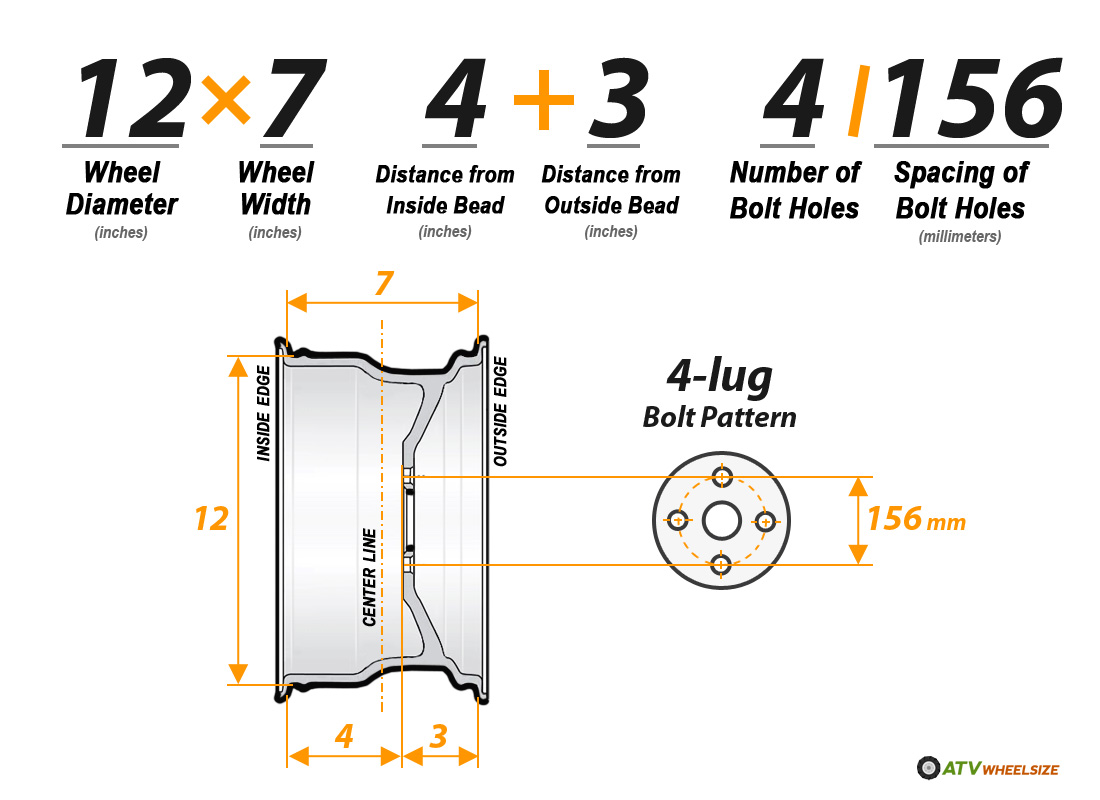
We talk to BMW 1 series owners every day. These are the questions we hear most before they pull the trigger on new wheels.
Will 19×8 and 19×9-inch wheels fit my BMW 1 series? Yes, but fitment depends on width, offset, and tire size working together. A wrong offset means rubbing. A wrong tire size means poor handling. Always verify all three.
Do I need to modify my fenders? That depends on your offset and suspension. A conservative offset with stock ride height usually fits without modification. Go aggressive and you may need to roll or pull your fenders.
Can I daily-drive this setup? Absolutely. Thousands of BMW 1 series owners run 19×8 and 19×9-inch wheels every day. The key is choosing the right tire with enough sidewall to absorb road imperfections.