About This Acura Integra RS 1994 Build
We love featuring real builds from real owners. This Acura Integra RS 1994 sits on a set of 16×8 / 16×8-inch Rota Grid wheels, and the result speaks for itself.
The owner chose Rota for a reason. This brand delivers serious quality and a design language that turns heads at every car meet. We see hundreds of Acura Integra RS builds come through WheelFront every month, but this one stands out. The combination of the exterior with the Rota Grid creates a look that balances aggression with elegance.

Fitment Breakdown: Rota Grid on the Acura Integra RS 1994
I walked up to this '94 Integra RS at the last meet, and the stance immediately grabbed me. Running 16x8 Rota Grids with a +20 offset changes the entire profile of the DC2 chassis. These wheels push the track width out just enough to give it a purposeful, aggressive look.
The +20 offset on an eight-inch wide wheel is bold for a stock-body Integra. You get that deep, concave spoke profile that looks way better than a flat face. It fills out the wheel wells perfectly without looking like a monster truck.
Caliper clearance is tight but it works fine with the stock brakes. You won't need spacers to clear the front calipers on this specific setup. The hub bore matches up well, keeping everything vibration-free at highway speeds.
The lowering springs tighten up the fender gap significantly. This brings the tire crown right up against the fender liner. It creates a seamless transition from the tire shoulder to the bodywork.
You have to watch the inner fender liners on hard bumps. With this offset, the outer edge of the tire sits very close to the metal lip. I would suggest rolling those rear fenders if you plan to carry passengers.

The barrel lip depth on these Grids creates a great shadow line. It adds visual weight to the bottom of the car. This design choice makes the Integra look planted and ready for a corner.
Everything about this setup feels intentional. It balances the retro 90s aesthetic with a modern, aggressive stance. It is a textbook example of how to make an RS look like a top-tier build.
What We Recommend for Acura Integra RS 1994 Owners
If you want to run 16s on your DC2, stick to a 7.5 or 8-inch width. Anything wider than 8 inches requires serious fender work or custom camber settings. Keep the width manageable so you can actually drive the car hard.
For offsets, +20 is aggressive, but +35 to +40 is the sweet spot for a bolt-on fitment. If you choose a higher offset, you can run a wider tire without rubbing issues. I always recommend a square setup for better handling balance.
Don't fall into the trap of over-stretching your tires. A 205/45/16 tire offers the best protection for your wheels and keeps the grip levels predictable. You want a functional setup, not something that looks like a circus act.

Always roll your fenders before you drop the car on springs. It takes an hour and saves your tires from getting shredded by the metal tabs inside the arch. Do it right the first time so you can enjoy the drive.
Avoid cheap spacers if you can help it. If you need them to clear a big brake kit, buy high-quality hub-centric units. Safety should always come before the look of the build.
Style and Build Analysis
The white-on-white theme on this Integra is pure nostalgia. It reminds me of the Championship White Type R aesthetic that defined this era. The bright finish pops against the paint, making the wheels the focal point of the exterior.
The Rota Grid design uses those classic six spokes that just work on Japanese coupes. It mimics the TE37 look without the massive price tag. The lines flow perfectly with the long, angular body of the DC2 Integra.
The proportions here are spot on. Because the wheels sit flush, the car looks longer and lower than a stock RS. It sits with a slight rake that implies speed even when it stays parked.

I have seen hundreds of Integras, but this one has a specific road presence. Most people go for black wheels, but the white finish shows off the intricate concave spokes better. It draws your eye in and holds your attention.
This build proves that you do not need a widebody kit to turn heads. Proper wheel fitment and a clean drop do all the heavy lifting. It is a masterclass in keeping things simple but effective.
Why We Love This Build
This Integra captures the exact spirit of the 90s tuner scene. When the sun hits those white Grids, the car glows and the stance looks absolutely menacing. The way the wheels hug the fenders proves that simple choices often yield the best results.
We love this build because it feels honest and approachable. You can tell the owner actually drives it instead of just polishing it for photoshoots. It is the perfect blend of style and daily-driver utility.
It makes us want to go find a clean DC2 chassis and start our own project today. This is exactly how an Integra should look. Don't settle for boring fitment when you can have this.

Full Specs Breakdown
Here is exactly what this owner is running. We break down every detail so you can replicate this build or use it as a starting point for your own setup.
- Car Make & Model: Acura Integra RS 1994
- Vehicle Color:
- Wheel Brand & Model: Rota Grid
- Wheel Size: 16×8 / 16×8
- Offset: 20 / 20
- Wheel Finish: White
- Tires: Bridgestone Potenza RE760 Sport 205/45 23.3″x8.1″ / 205/45 23.3″x8.1″
- Suspension: Lowering Springs
Before You Buy: Fitment Checklist
We talk to Acura Integra RS owners every day. These are the questions we hear most before they pull the trigger on new wheels.
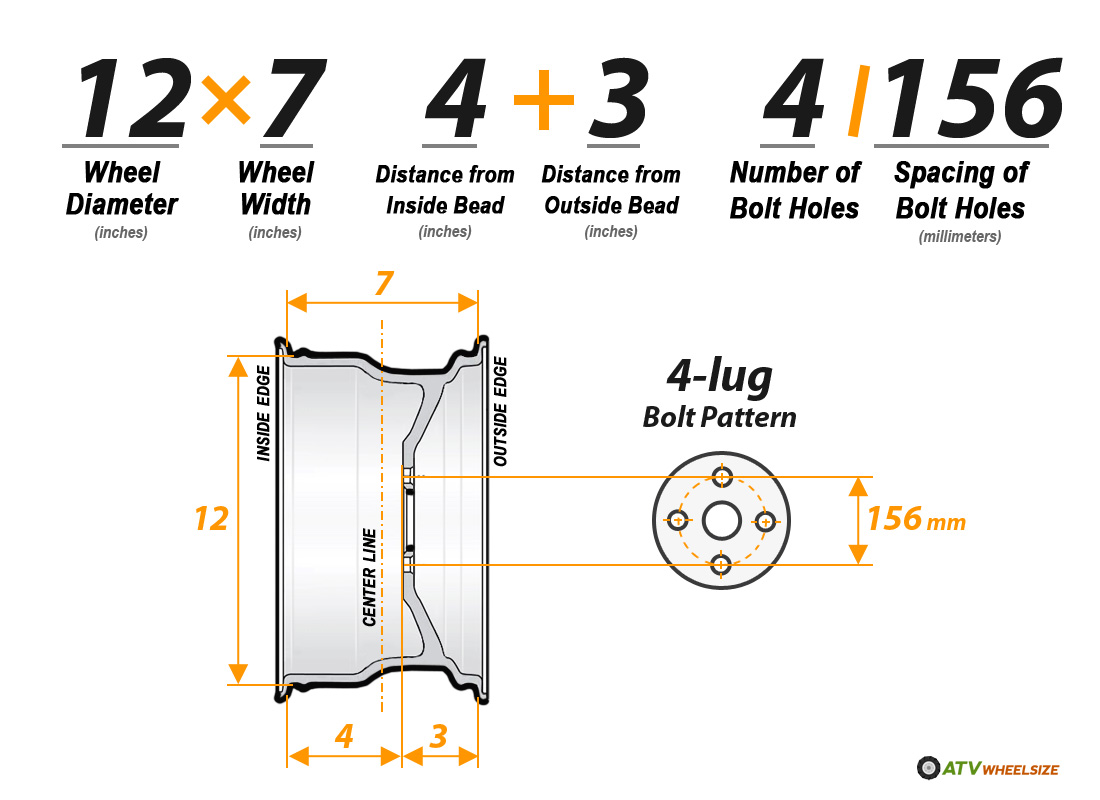
Will 16×8 / 16×8-inch wheels fit my Acura Integra RS? Yes, but fitment depends on width, offset, and tire size working together. A wrong offset means rubbing. A wrong tire size means poor handling. Always verify all three.
Do I need to modify my fenders? That depends on your offset and suspension. A conservative offset with stock ride height usually fits without modification. Go aggressive and you may need to roll or pull your fenders.
Can I daily-drive this setup? Absolutely. Thousands of Acura Integra RS owners run 16×8 / 16×8-inch wheels every day. The key is choosing the right tire with enough sidewall to absorb road imperfections.