About This Acura Integra LS 1992 Build
We love featuring real builds from real owners. This Acura Integra LS 1992 sits on a set of 16×9.5 / 16×9.5-inch JNC Jnc010 wheels, and the result speaks for itself.
The owner chose JNC for a reason. This brand delivers serious quality and a design language that turns heads at every car meet. We see hundreds of Acura Integra LS builds come through WheelFront every month, but this one stands out. The combination of the exterior with the JNC Jnc010 creates a look that balances aggression with elegance.

Fitment Breakdown: JNC Jnc010 on the Acura Integra LS 1992
I walked up to this '92 Integra LS and honestly, the stance caught me off guard. Running a 16x9.5 setup on a DA chassis is a bold move that demands respect. You are pushing the limits of the factory arches with that 15 offset.
Those JNC010 wheels bring serious width to the table. Because the offset is so aggressive, the face sits way out compared to a stock wheel. It completely changes how this car plants itself on the asphalt.
Let's talk about the hub bore and caliper clearance. You have enough room here to clear the stock LS stoppers without any drama. The design of these spokes gives you just enough breathing room for the brakes to stay cool.
The barrel lip depth on these 16-inch wheels is massive. It creates a deep dish look that you usually only see on much wider machines. It defines the profile of the car from every single angle.
Your coilovers are doing the heavy lifting here. Without a stiff spring rate and a dialed-in drop, you would be chewing through your tires in a week. You need that precise height to make the geometry actually work.

Watch out for the inner fender liner and the quarter panel edges. At this width and offset, you are inches away from rubbing on hard cornering. You definitely need a fender roll to keep the paint from cracking.
This setup is not for the faint of heart or the daily commuter who hates bumps. It is a dedicated look that forces the car to sit wide. I love how it fills the wheel wells without looking like a monster truck.
What We Recommend for Acura Integra LS 1992 Owners
If you want to run a 9.5-inch width, you have to commit to the modifications. Do not expect these to bolt on like stock wheels. You will need to roll your fenders flat immediately.
For the DA Integra, I always suggest a square setup for better handling balance. Staggered setups look weird on front-wheel drive platforms. Keep the same size at all four corners to keep the car predictable.
Pay close attention to your tire stretch. You need a bit of a pull on the sidewall to tuck these under the metal. A 205 or 215 width tire usually gets the job done for this specific look.

Common mistakes usually involve buying the wrong offset and trying to fix it with spacers. If you start with a 15 offset, you have already pushed the wheel out far enough. Adding spacers here would just turn your fenders into scrap metal.
Test fit everything before you mount the rubber. Check your clearance at full lock and during heavy compression. If you hear any clicking or rubbing, stop driving and adjust your camber settings.
Style and Build Analysis
The polished finish on these JNC010s is a brilliant choice. It grabs the sunlight and reflects the road surface while you roll down the street. It turns the wheels into the focal point of the entire build.
There is a raw, mechanical honesty to this design. The classic mesh pattern echoes the heritage of 90s Japanese tuning culture. It feels like a time capsule that stayed relevant through sheer attitude.
When you stand back, the proportions look absolutely mean. The car sits low and wide, shedding its economy-car roots for something much more aggressive. It commands attention without needing a wild body kit.

I have seen plenty of Integra builds with massive spoilers or gaudy paint, but this is different. It relies on clean lines and a killer wheel choice to make the statement. It is a masterclass in "less is more" for the stance crowd.
The contrast between the polished finish and the dark, moody paint of the chassis creates a sharp visual pop. Every time I look at this car, I find a new detail to appreciate. It is a textbook example of how to build a DA.
Why We Love This Build
This Integra hits different because it feels finished and intentional. The way those polished JNC010s catch the light against the pavement makes the car look like it is moving even when it is parked. It captures that golden era of import tuning perfectly while keeping things tight and clean.
You can see the heart and soul the owner poured into the suspension geometry. It is not just about the look; it is about the way the car holds the road and occupies space. It reminds us why we fell in love with the DA chassis in the first place.
Seeing this build in person makes me want to start my own project tonight. It is bold, it is loud, and it is absolutely unapologetic. Build it right and drive it hard.

Full Specs Breakdown
Here is exactly what this owner is running. We break down every detail so you can replicate this build or use it as a starting point for your own setup.
- Car Make & Model: Acura Integra LS 1992
- Vehicle Color:
- Wheel Brand & Model: JNC Jnc010
- Wheel Size: 16×9.5 / 16×9.5
- Offset: 15 / 15
- Wheel Finish: Polished
- Tires: Accelera PHI-R 215/45 23.6″x8.5″ / 215/45 23.6″x8.5″
- Suspension: Coilovers
Before You Buy: Fitment Checklist
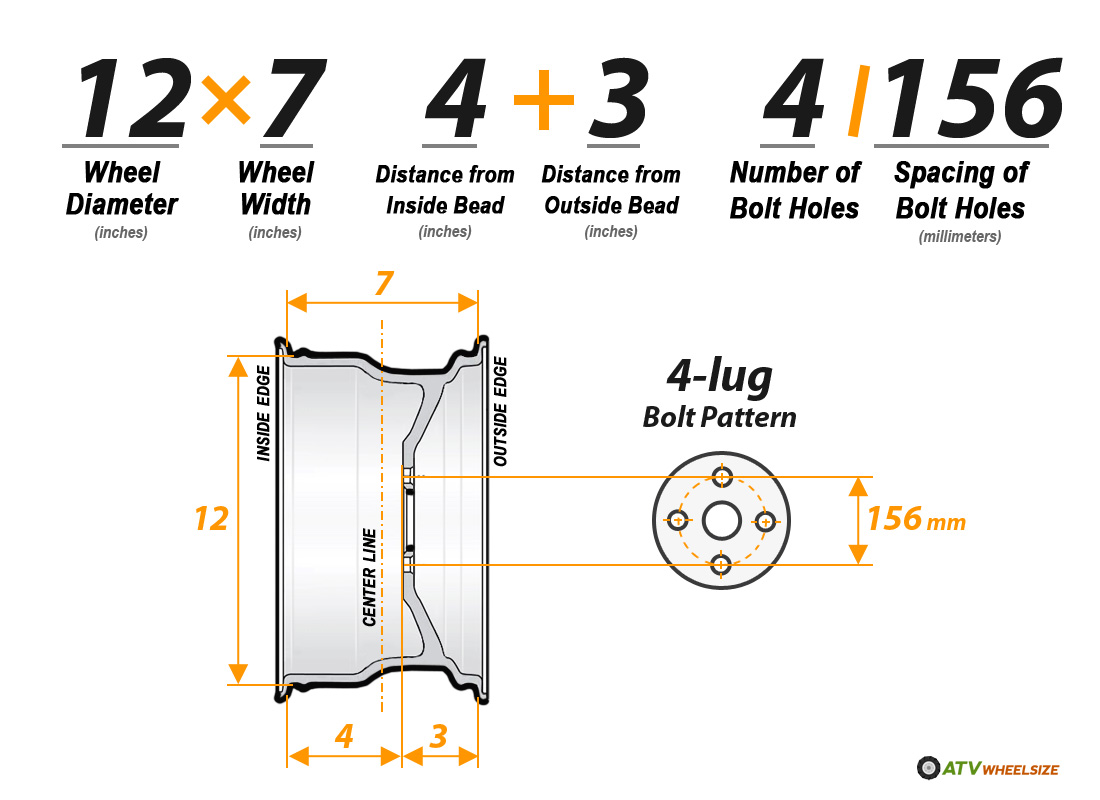
We talk to Acura Integra LS owners every day. These are the questions we hear most before they pull the trigger on new wheels.
Will 16×9.5 / 16×9.5-inch wheels fit my Acura Integra LS? Yes, but fitment depends on width, offset, and tire size working together. A wrong offset means rubbing. A wrong tire size means poor handling. Always verify all three.
Do I need to modify my fenders? That depends on your offset and suspension. A conservative offset with stock ride height usually fits without modification. Go aggressive and you may need to roll or pull your fenders.
Can I daily-drive this setup? Absolutely. Thousands of Acura Integra LS owners run 16×9.5 / 16×9.5-inch wheels every day. The key is choosing the right tire with enough sidewall to absorb road imperfections.