About This Acura Integra GS-R 1992 Build
We love featuring real builds from real owners. This Acura Integra GS-R 1992 sits on a set of 16×7 / 16×7-inch Enkei Rtc1 wheels, and the result speaks for itself.
The owner chose Enkei for a reason. This brand delivers serious quality and a design language that turns heads at every car meet. We see hundreds of Acura Integra GS-R builds come through WheelFront every month, but this one stands out. The combination of the exterior with the Enkei Rtc1 creates a look that balances aggression with elegance.

Fitment Breakdown: Enkei Rtc1 on the Acura Integra GS-R 1992
I walked up to this DA Integra at the show, and the Enkei Rtc1 setup hit me instantly. We see a lot of wheels on these older Hondas, but 16x7 with a +32 offset is the absolute sweet spot. The stance looks aggressive without looking like a circus wagon.
The +32 offset pushes the face of the wheel just enough to clear the GS-R calipers with room to spare. We love how that specific offset brings the wheel flush to the fender line. It avoids that sunken battleship look we see on stock wheels.
Those 16-inch diameters fill the wheel wells perfectly on a 1992 platform. You get enough sidewall to keep the ride from feeling like a brick. The proportions look factory-correct but sharpened for the modern era.
The hub bore fits the Integra’s spindle perfectly, so we didn't spot any annoying vibration issues. We know the Rtc1 uses a robust center design that handles track abuse easily. You get a solid, reliable mounting surface every time you bolt them on.
The barrel lip depth on the Rtc1 gives the car a classic racing aesthetic. It’s not over-the-top, but it adds a layer of depth that flat-face wheels just lack. The spokes curve just enough to create a nice shadow play under the sun.

Since this build runs coilovers, the height is dialed in tight. We checked the clearance, and the tires tuck just behind the fender arch during hard cornering. You might get a tiny bit of rub if you don't roll the fenders, though.
Watch out for those inner liners if you go lower than this owner. We always suggest a small roll on the front arches just to be safe. It keeps your paint clean when the road gets bumpy.
What We Recommend for Acura Integra GS-R 1992 Owners
We see too many people stuffing 17-inch wheels on these DA chassis. Stick to 15s or 16s for the best handling balance. The car feels much lighter and more nimble on the smaller diameter.
A square setup is the only way to go for the Integra. We never recommend staggered fitments on a front-wheel-drive car. Keep the same width at all four corners to maintain that neutral grip.
If you want that perfect flush look, aim for offsets between +30 and +35. Anything lower than +30 starts to poke too much and ruins your alignment geometry. We learned that lesson the hard way years ago.

Don't fall into the trap of over-stretching your tires. We prefer a nice, square shoulder on a 205-width tire for these wheels. It gives you the contact patch you need when you actually drive the car hard.
Check your coilover spring rates before you commit to a specific wheel. If you go too soft, you will bottom out on the fenders regardless of the offset. Stiff springs keep the geometry where it belongs.
Style and Build Analysis
The white-on-white aesthetic works perfectly on this specific car. It screams 90s Japanese racing culture in the best possible way. The bright finish pops against the deep paint of the bodywork.
The Enkei Rtc1 design is timeless and purposeful. It avoids the clutter of modern, complex multi-spoke wheels. We think simple designs age much better on these classic 90s shapes.
This car commands attention because it looks like it belongs on a mountain pass or a track grid. It’s not a show-only queen that sits on air bags. It’s a functional, well-built machine that respects its heritage.

We compare this to other builds we feature, and this one stands out for its restraint. It doesn't use massive spoilers or crazy wide-body kits to get noticed. It relies on perfect wheel fitment and a clean color choice.
The road presence is subtle yet undeniably aggressive. You notice the wheels immediately, but they don't distract from the iconic lines of the Integra. It is a masterclass in tasteful modification.
Why We Love This Build
This Integra captures the exact vibe we hunt for at every car meet. The bright white wheels catch the morning light and make the whole car feel faster just sitting there. You can tell the owner actually drives this thing hard on the weekends.
The way the tires sit right at the edge of the fender is just gorgeous. It makes the car look hunkered down and ready for action. It hits that perfect balance between form and function that most builders fail to reach.
We love this build because it feels honest and focused. It reminds us why we fell in love with these cars in the first place. Go grab a set of Enkeis and get to work.

Full Specs Breakdown
Here is exactly what this owner is running. We break down every detail so you can replicate this build or use it as a starting point for your own setup.
- Car Make & Model: Acura Integra GS-R 1992
- Vehicle Color:
- Wheel Brand & Model: Enkei Rtc1
- Wheel Size: 16×7 / 16×7
- Offset: 32 / 32
- Wheel Finish: White
- Tires: Achilles ATR Sport 2 205/50 24.1″x8.1″ / 205/50 24.1″x8.1″
- Suspension: Coilovers
Before You Buy: Fitment Checklist
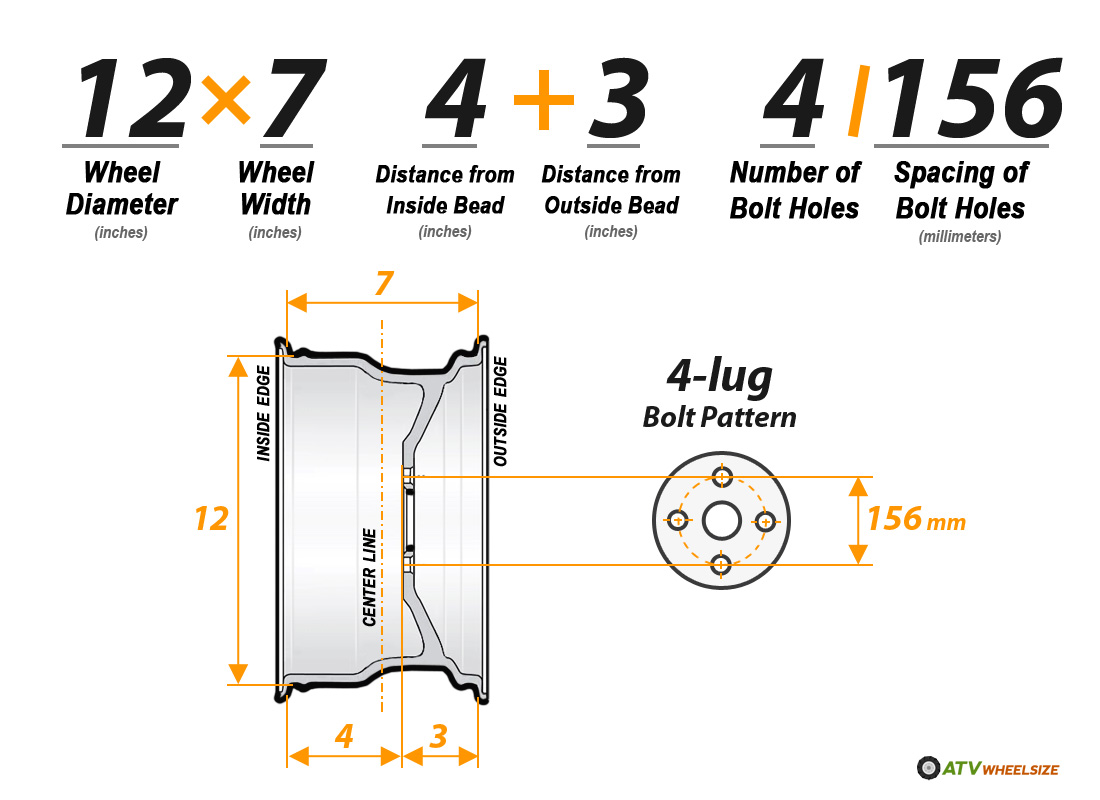
We talk to Acura Integra GS-R owners every day. These are the questions we hear most before they pull the trigger on new wheels.
Will 16×7 / 16×7-inch wheels fit my Acura Integra GS-R? Yes, but fitment depends on width, offset, and tire size working together. A wrong offset means rubbing. A wrong tire size means poor handling. Always verify all three.
Do I need to modify my fenders? That depends on your offset and suspension. A conservative offset with stock ride height usually fits without modification. Go aggressive and you may need to roll or pull your fenders.
Can I daily-drive this setup? Absolutely. Thousands of Acura Integra GS-R owners run 16×7 / 16×7-inch wheels every day. The key is choosing the right tire with enough sidewall to absorb road imperfections.