
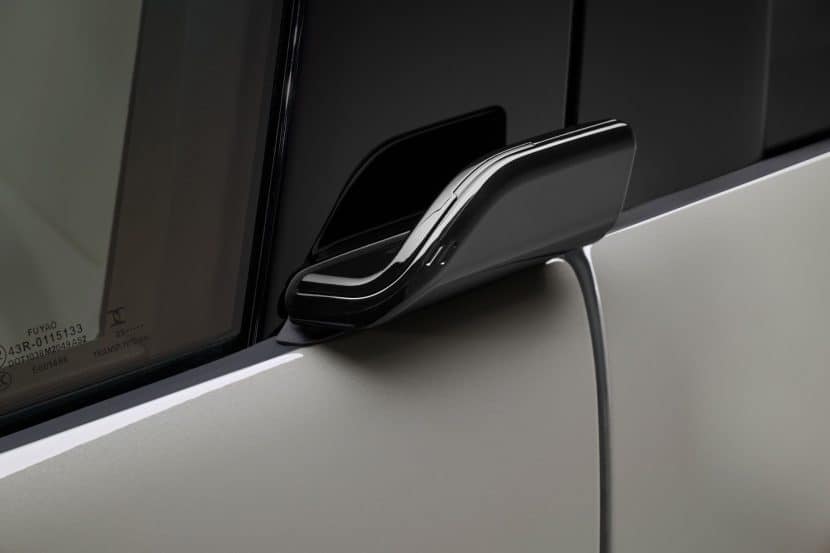


The door handle is dead. BMW killed it on the fifth-generation X5, codenamed G65, replacing the conventional pull with a slim gloss-black tab called the Winglet, mounted not on the door itself but on the B- and C-pillars. It’s standard on every trim, no option box required.
The Winglet works three ways: a light touch triggers powered release, a gentle pull engages a servo motor, and a firm yank operates it like a plain old mechanical handle. BMW learned something from the flush-handle fiasco that has plagued other brands in cold weather and dead-battery scenarios. They built in a fallback that doesn’t care whether your 12-volt is alive.
This is the biggest generational leap in the X5’s 27-year history, and the handles are only the opening act.
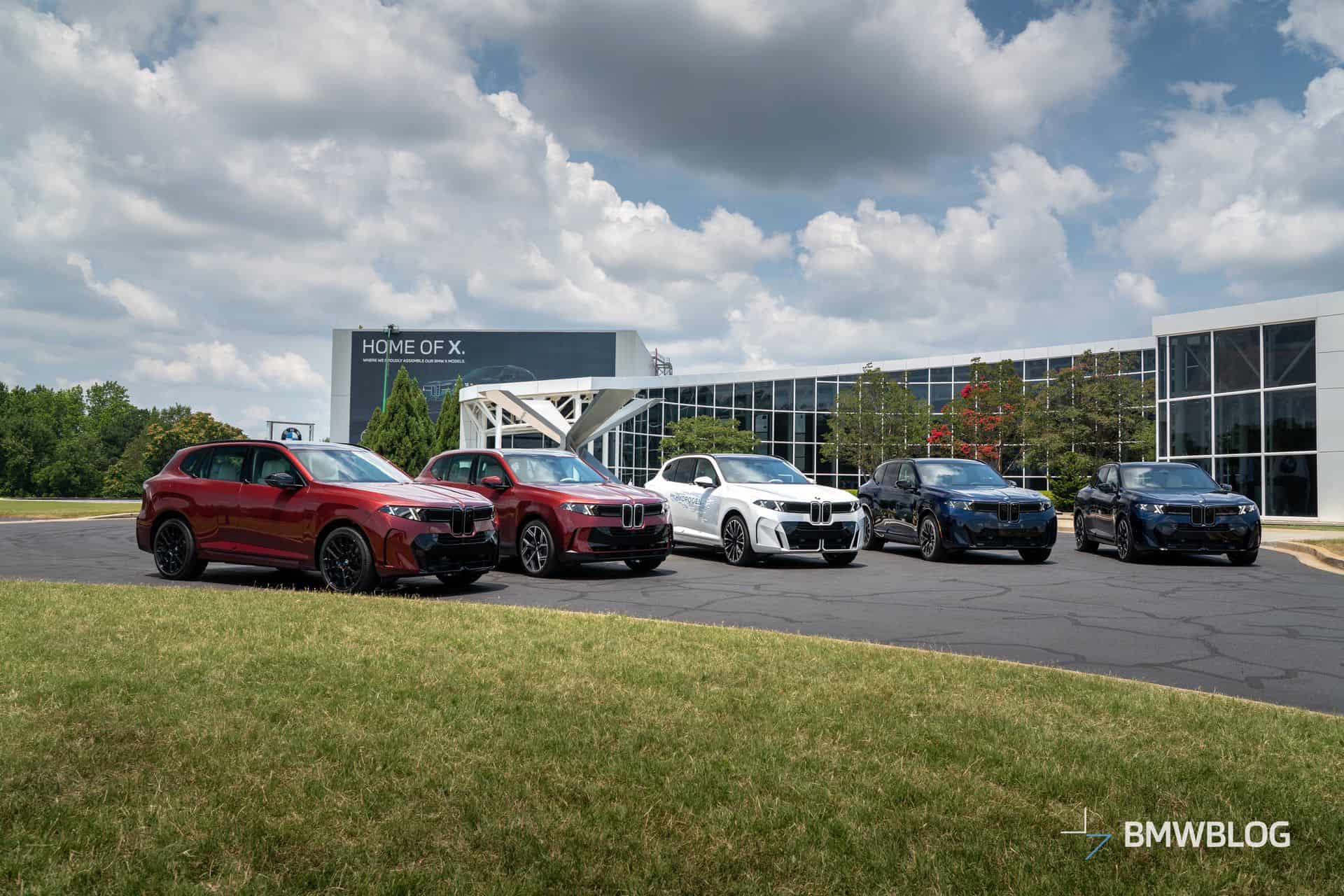
The exterior’s signature move is a double-X headlight graphic BMW says pays homage to the 1999 E53, the truck that essentially invented the sport-luxury SUV segment. The X motif folds low beams, daytime running lights, side markers, and turn signals into a single housing. It stays illuminated day and night as part of the welcome sequence.
BMW knows not everyone wants an X branded across their face. A toggle buried in the iDrive menu reverts the graphic to a simpler diagonal light bar. Cornering lights stay regardless.
Inside, things get stranger. BMW is bonding genuine slate — actual stone, not a plastic imitation — onto the center console control panel as part of an optional Glass Controls package. Touch-sensitive parking brake, hazard, and rear defrost controls are embedded directly into the rock.
It pairs with crystal glass on the gear selector and volume roller. It’s an odd flex at this price point, but it lands differently than another slab of piano black.
The cabin also gets BMW’s first passenger touchscreen on an SUV, a 14.6-inch display running independently from the main 17.9-inch screen. Streaming, gaming through AirConsole, even video conferencing through the interior camera — it’s all there. If the camera catches the driver glancing at the passenger screen while moving, it automatically darkens.
Then there’s the brake-pedal door close, lifted straight from the 7 Series. Foot on the brake, all four doors pull shut. The same radar sensors embedded in the side skirts detect obstacles before anything swings. Spy shots of the next-generation X7 already show Winglet hardware, so expect this trick to cascade through the SUV lineup by 2027.
The most revealing detail isn’t a feature. It’s the powertrain strategy. No BMW has ever launched with five propulsion options simultaneously: mild-hybrid gasoline, diesel for non-US markets, plug-in hybrid, a fully electric iX5, and a hydrogen fuel-cell variant targeted for 2028.
That’s not a product plan. That’s a company refusing to bet on a single future, spreading chips across the entire table while regulators and buyers sort out which direction the market actually moves.
Soft-close doors come standard across the entire lineup. The automatic doors with powered open and close are optional. The slate trim, the passenger screen, and the automatic door closing all live behind higher packages, so every X5 feels like a generational jump, but the full experience costs extra.
The G65 X5 is simultaneously BMW’s most conservative and most radical product decision in years. Conservative because it hedges every powertrain bet rather than committing. Radical because it ripped out something as fundamental as a door handle and replaced it with a pillar-mounted sensor on a mainstream volume seller.
Whether buyers embrace the Winglet or curse it in a January parking lot will determine how fast this hardware spreads to the rest of the lineup.



Share this Story