
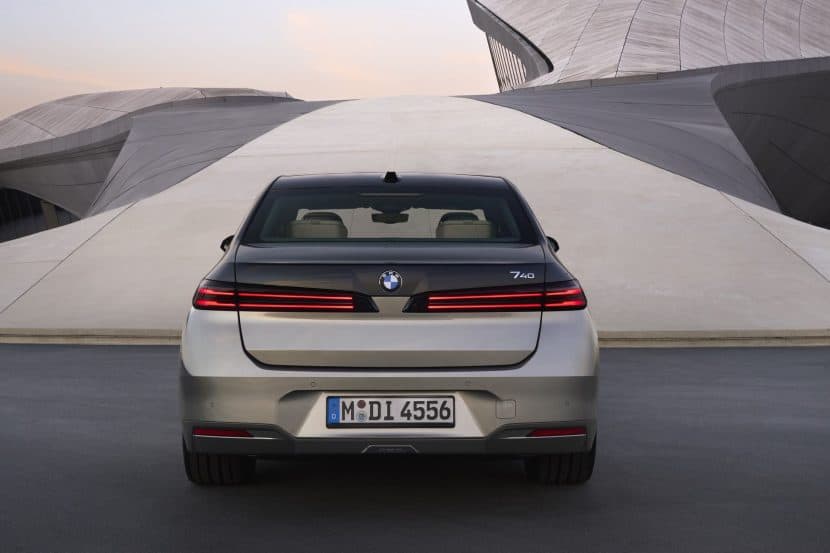


BMW’s Chennai plant just became the only factory outside Germany trusted to assemble the i7, the company’s most expensive and technically complex electric sedan. Production of the facelifted i7 50 xDrive M Sport is already underway, with customer deliveries scheduled to begin in October.
This is not a token gesture. Chennai is not bolting together a stripped-down compliance car. It is building the same fully electric flagship that rolls off the line in Dingolfing, Bavaria, priced at INR 1.95 crore, roughly $230,000 at current exchange rates.
The range-topping i7 M70 xDrive, with its dual-motor setup and higher performance ceiling, still arrives as a fully built import from Germany at INR 2.65 crore. BMW is drawing a clear line between what it will localize and what stays exclusive to its home turf.
What makes this move unusual is the model BMW chose to localize. Automakers typically reserve their most advanced products for their most established factories. Chennai, by contrast, has historically been a CKD operation assembling mainstream models like the 3 Series, X1, and X3 from imported kits.
Jumping from that to the i7 skips several rungs on the complexity ladder.
The plant’s output tells part of the story. In 2025, Chennai produced 16,380 vehicles, a 12.4 percent increase over the prior year. That volume is modest by global standards but growing fast enough that BMW clearly sees India as more than an afterthought.
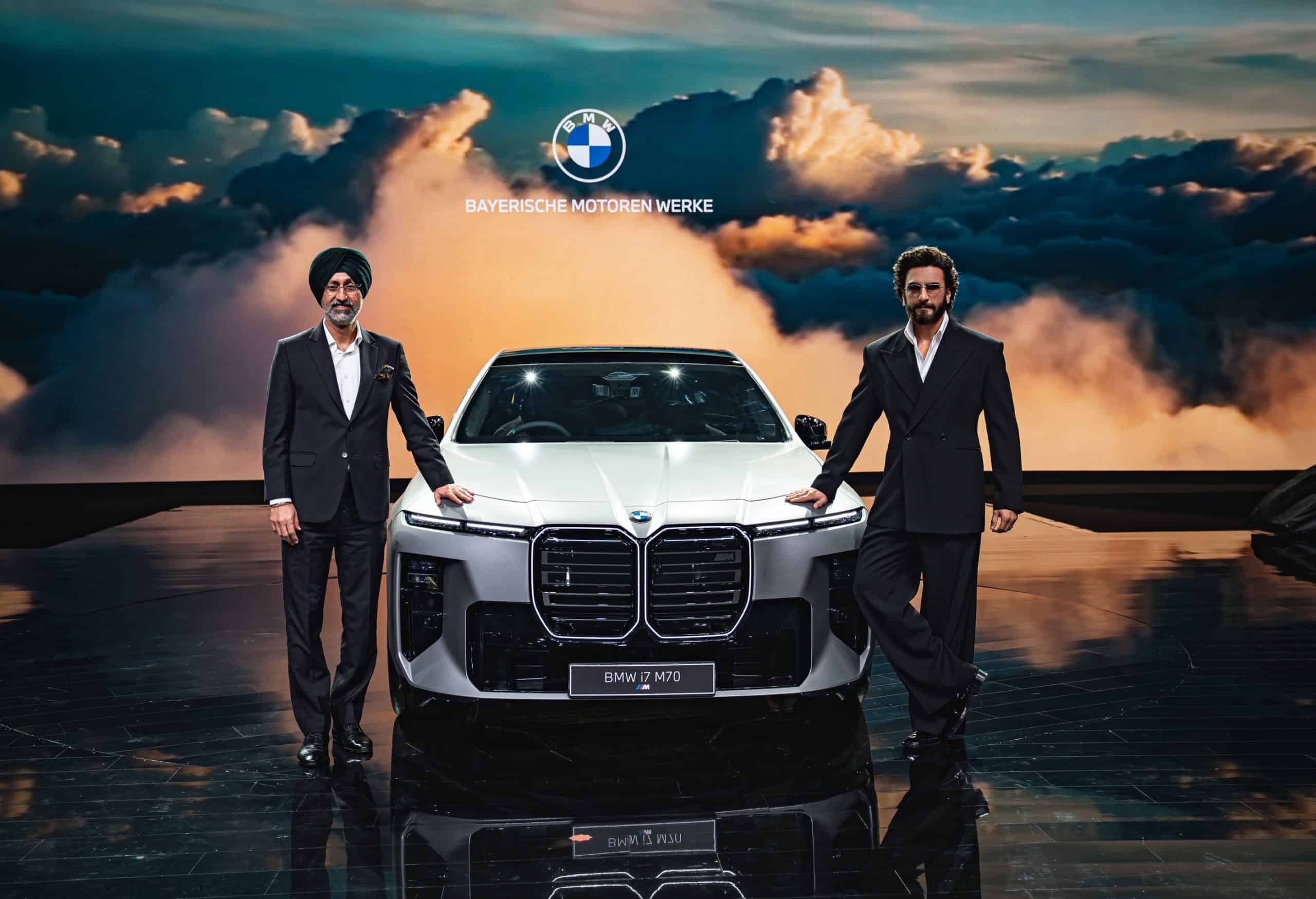
The facelifted 7 Series lineup launching in India comes with some notable absences. The 740d diesel, previously available in the pre-facelift car, is gone. Plug-in hybrids like the 750e and M760e are nowhere to be found either. Indian buyers get three choices: the six-cylinder 740 M Sport, the locally built i7 50 xDrive M Sport, and the imported i7 M70 xDrive.
Killing the diesel while adding local EV production sends a deliberate signal about where BMW sees the Indian luxury market heading. Diesel once dominated premium car sales in India because of fuel cost advantages. That calculus has shifted.
BMW’s Chennai facility now assembles an unusually broad range of models for a single plant in an emerging market: the 2 Series, 3 Series, 5 Series, 7 Series, i7, X1, iX1, X3, X5, and X7. That portfolio rivals some of BMW’s European operations in breadth, if not in volume.
The strategic logic is straightforward. India imposes steep import duties on fully built vehicles, often exceeding 100 percent. Local assembly dramatically reduces the price penalty and makes cars like the i7 accessible to a wider slice of the country’s expanding wealthy class.
Pricing the locally assembled i7 50 identically to the combustion 740 removes one of the biggest traditional objections to going electric at the top end.
Germany’s Dingolfing plant remains the nerve center of 7 Series production, and the seventh-generation model is expected to stay in production into the early 2030s. But the decision to trust Chennai with the i7 reshapes how BMW thinks about manufacturing hierarchy. The old model, where prestige products stayed close to headquarters, is giving way to something more distributed.
India is now the second country on earth building BMW’s electric flagship. Whether other markets eventually join that list depends on how Chennai performs. The pressure is on.
Share this Story