
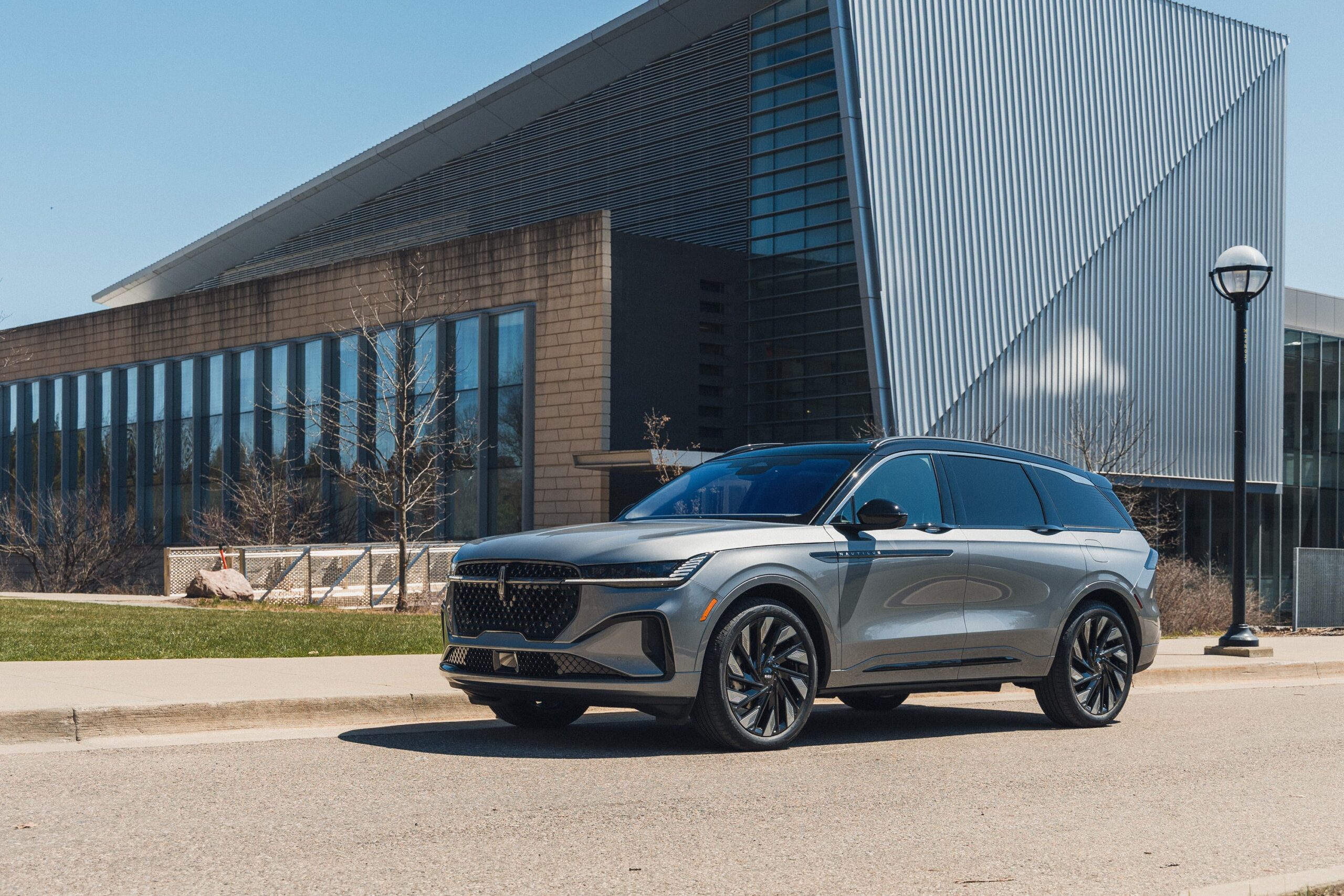


Ford just put a four-year clock on its most awkward supply chain decision. Beginning in 2030, the company will phase out imports of Chinese-built Lincoln models and consolidate the luxury brand’s production within the United States. That sounds clean, but it is anything but.
The Lincoln Nautilus, the brand’s bestselling model in 2025, has been rolling off a line in Hangzhou, China, since 2024. Before that, it was built in Canada. The Corsair, which recently lost its U.S. assembly slot when Ford retooled the Louisville plant for the upcoming Fathom electric truck, is now expected to start arriving from China for the 2027 model year.
So Ford is simultaneously increasing its Chinese imports and announcing it will stop them. The timeline is the tell.
Federal pressure makes this inevitable. The U.S. government has been tightening the screws on Chinese-produced vehicles through escalating tariffs and new rules targeting connected-car technology. Software bans on internet-connected vehicles from China already apply to 2027 models. A hardware ban hits in 2030. That is not a coincidence with Ford’s timeline.
Ford frames the move as patriotic muscle flexing, citing its status as America’s top auto producer with more than 2 million vehicles built domestically last year and 56,300 hourly U.S. employees. The company says expanding Lincoln production stateside will generate thousands of new jobs. It is also, conveniently, the only viable path forward once Chinese-built connected vehicles become illegal to sell here.
The real question Ford has not answered is where the Nautilus and Corsair will actually be built. The Aviator already lives at Chicago Assembly, and the Navigator comes out of Kentucky Truck. But there is no announced home for the two crossovers that represent Lincoln’s volume play.
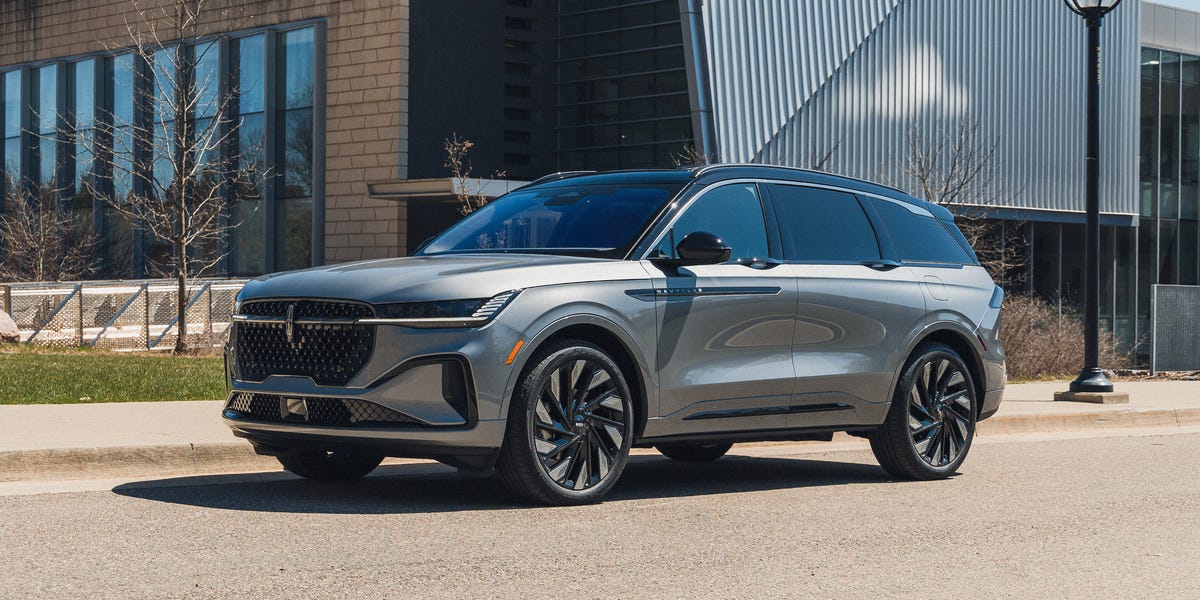
Whether Ford will fold them into existing facilities or discontinue them entirely remains unclear. That gap matters. The Nautilus is not some niche curiosity.
It is the model keeping Lincoln’s sales numbers from looking anemic. Walking away from it without a domestic replacement would gut the lineup. Shoehorning it into a plant already running other products is complicated and expensive.
Ford has essentially given itself until the end of the decade to solve a puzzle it created. Moving the Nautilus to China was a cost play, a way to build it cheaper and ship it back. Moving the Corsair there after pulling it from Louisville was a stopgap to keep the nameplate alive while the factory pivoted to an electric truck.
Neither decision was made with the assumption that Chinese imports would become politically and legally toxic this fast. The broader industry is scrambling through the same mess. Polestar already exited the U.S. market over connected-car rules.
Volvo had to get special approval to keep importing. Congress has pushed to permanently block Chinese-made vehicles. Ford is simply the most prominent American automaker caught with product on the wrong side of the Pacific.
For the next three and a half years, Lincoln dealers will keep selling Chinese-built crossovers to American buyers who may or may not know where their luxury SUV was assembled. Ford is betting that by 2030, it will have a domestic plan in place. The company has not shared what that plan looks like, and the clock is already running.

Share this Story