
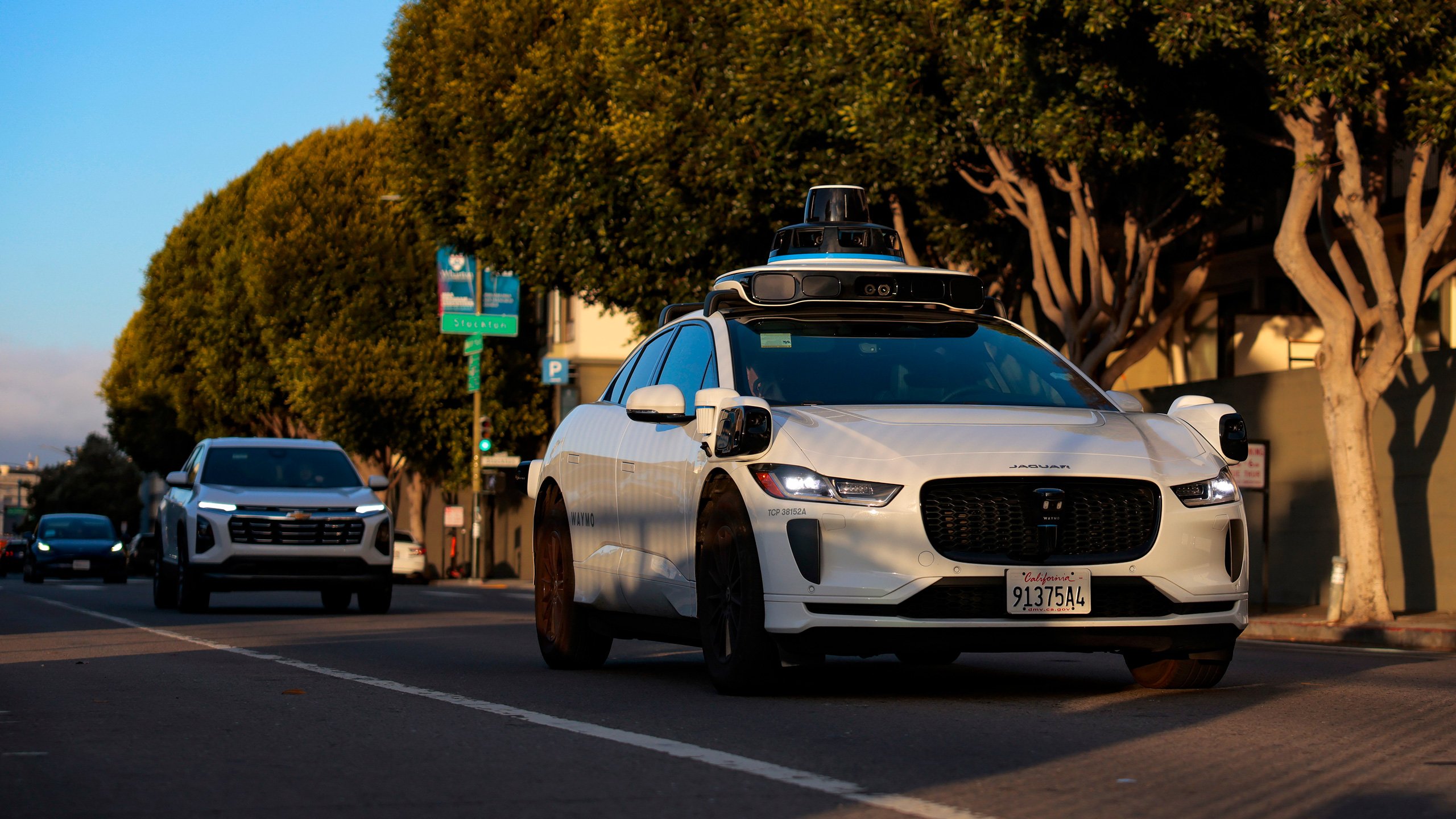


Waymo’s autonomous fleet logged about 50 million miles across San Francisco, Phoenix, Los Angeles, and Austin during the period studied by the Insurance Institute for Highway Safety. Human drivers in those same cities covered roughly 222 billion miles. The crash rate gap between the two: 68% lower for the robots.
That number sounds like vindication for a project that has been promising safer roads since it was just a Google side experiment nearly two decades ago. But the IIHS study, published this week, is as much a story about what we still can’t measure as it is about what Waymo has achieved.
Start with the raw reporting problem. Autonomous vehicle operators must disclose crashes to NHTSA and, in California, to state regulators. They are not required to report how many miles their cars actually drive, or how many of those miles are truly autonomous.
Waymo voluntarily publishes that data. No other company does, which is why Waymo was the only operator the IIHS could study at all.
Then there’s the apples-to-oranges issue on the human side. Most states only require crash reports when there’s an injury or at least $1,000 in property damage. Even under those rules, roughly half of all crashes and a third of injuries are never reported to police, according to IIHS estimates.
Meanwhile, until a 2025 rule change, NHTSA required self-driving car operators to report even minor fender-benders. Waymo’s sensor arrays are expensive enough that a light tap can easily clear that $1,000 threshold.
So the researchers had to work backward. Of 736 autonomous vehicle crashes reported during the study period across all operators, they determined only 22% would likely have been reported to police if a human had been driving. Just 89 of those total crashes involved Waymo vehicles, and only 64 happened while the cars were actually in autonomous mode.
Sixty-four crashes. That’s the real dataset behind the headline.
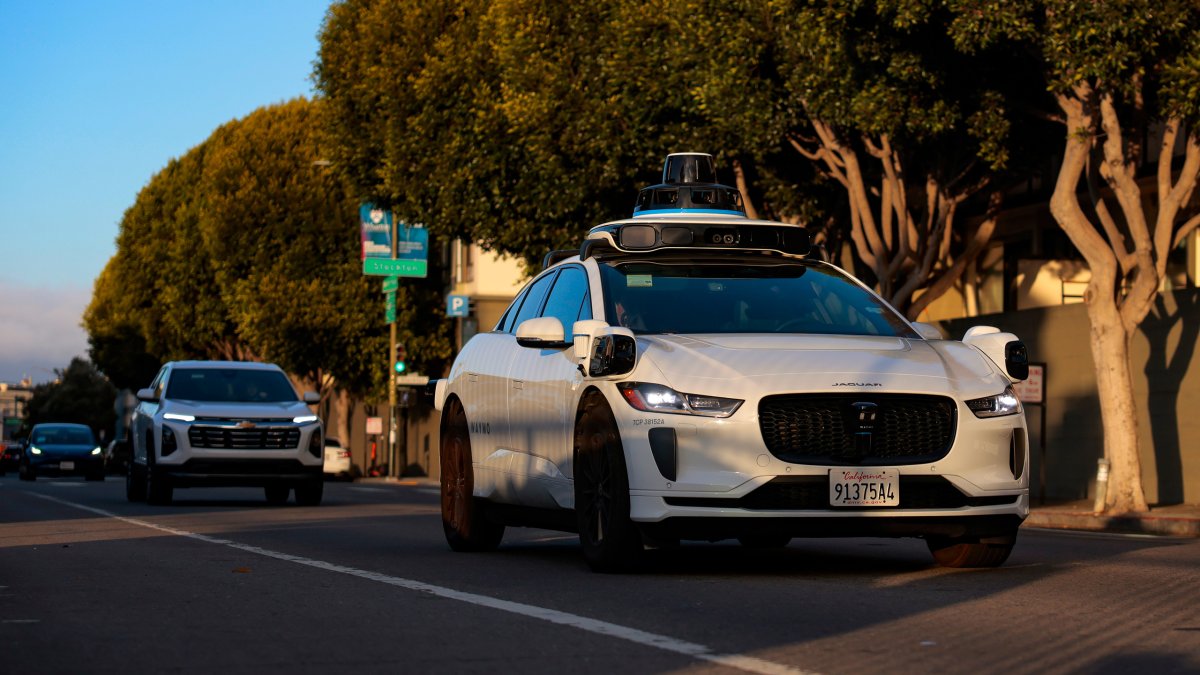
City by city, the results mostly favor Waymo. Phoenix showed a 76% lower crash rate per vehicle mile traveled, Los Angeles 71% lower, and San Francisco 35% lower. Austin was the outlier, where Waymo’s crash rate ran 4% higher than human drivers, though the sample was small enough to make that number statistically fragile.
Single-vehicle crashes dropped 85% for Waymo compared to human drivers. Injury-producing crashes fell 81%. Those are the kinds of margins the autonomous vehicle industry has been chasing for years, and they track with what Waymo has claimed in its own internal reports.
But the IIHS is careful not to oversell the findings. Lead author Eric Teoh called the results “encouraging signs” rather than proof of anything definitive. His real push was for better data collection infrastructure before these fleets grow any larger.
That’s the tension sitting underneath this study. Waymo appears to be doing well, possibly very well, compared to human drivers in the cities where it operates. The problem is that the measurement tools are crude, the sample sizes are thin, and the reporting requirements between autonomous and human-driven vehicles are so mismatched that researchers spent as much time cleaning data as analyzing it.
The insurance industry wants to know whether self-driving cars are actually safer. So does every city council weighing whether to let more robotaxis onto local streets. The IIHS just showed that answering the question honestly requires a data system that doesn’t yet exist.



Share this Story