
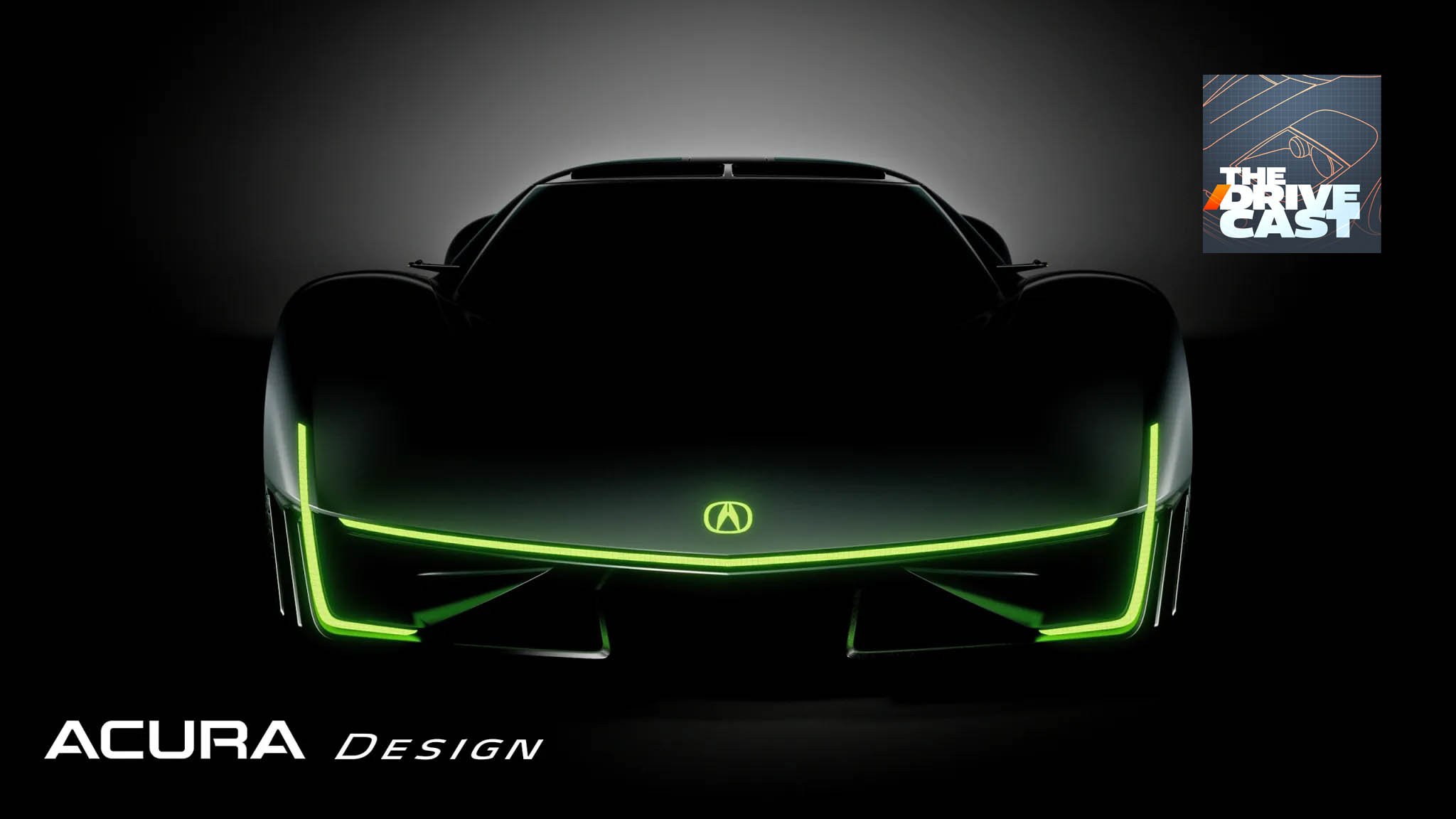


Jon Ikeda has been at Honda for 36 years. Twenty-five of those were spent designing cars, including a stretch running Acura’s design studio. He still doodles in meetings, and people still ask for the doodles.
When he talks about concept cars today, the optimism that once powered those fantastical auto show showstoppers is tempered by something harder to ignore. The public doesn’t trust them anymore.
In a conversation on The Drive’s podcast, Ikeda laid bare the uncomfortable reality facing every design studio in the business. Concept cars used to be a two-way conversation between automaker and buyer. The company pushed boundaries, the public responded with genuine excitement or useful skepticism, and the findings shaped the next generation of production cars.
That feedback loop is breaking down. Consumers increasingly view concept cars not as hopeful visions of what driving could become, but as threats — previews of a future that’s more expensive, more software-dependent, and less engaging. Too many screens, too few cylinders, autonomous electric blobs masquerading as transportation.
The reaction online isn’t curiosity. It’s hostility.
Ikeda, characteristically blunt, acknowledged that designers share some blame. Concept cars were always supposed to be a playground, a chance for young creatives to push past the constraints that experienced hands instinctively self-impose. A kid fresh out of design school doesn’t know what’s impossible yet, and that naivety has historically produced breakthroughs.
But when the industry’s entire conceptual energy funnels toward electrification and autonomy — two pillars that most buyers haven’t fully embraced — the playground shrinks to a sandbox.
He told a revealing story about asking legendary designers which car they loved most. Larry Shinoda, the man behind the Corvette, picked his wild Monza GT concept. Giorgetto Giugiaro, who shaped some of the most beautiful cars ever drawn, chose the Volkswagen Rabbit.
Function made form. Industrial design at its purest. That tension between spectacle and substance sits at the heart of what’s gone wrong with modern concepts.
The economics have shifted too. Physical concept cars cost enormous sums, and a CGI render can accomplish much of the same marketing splash for a fraction of the price. Automakers are building fewer full-scale concepts, and the ones they do build are narrower in ambition, designed more to validate a corporate EV strategy than to genuinely explore what a car could be.
Ikeda noted one irony: interiors should actually be cheaper to concept now. The shift to screens and simplified surfaces means fewer handcrafted gauges, fewer bespoke buttons, fewer man-hours sculpting a cockpit. Yet the overall investment in physical concept cars keeps declining.
The savings aren’t being reinvested. They’re being pocketed.
What gets lost in that cost-cutting calculus is the thing Ikeda values most — the signal. A concept car is supposed to tell a customer something real about where a brand is headed and invite them to react honestly. When companies retreat to safe renders and consumers respond to physical concepts with cynicism, that signal degrades to noise.
Neither side learns anything useful.
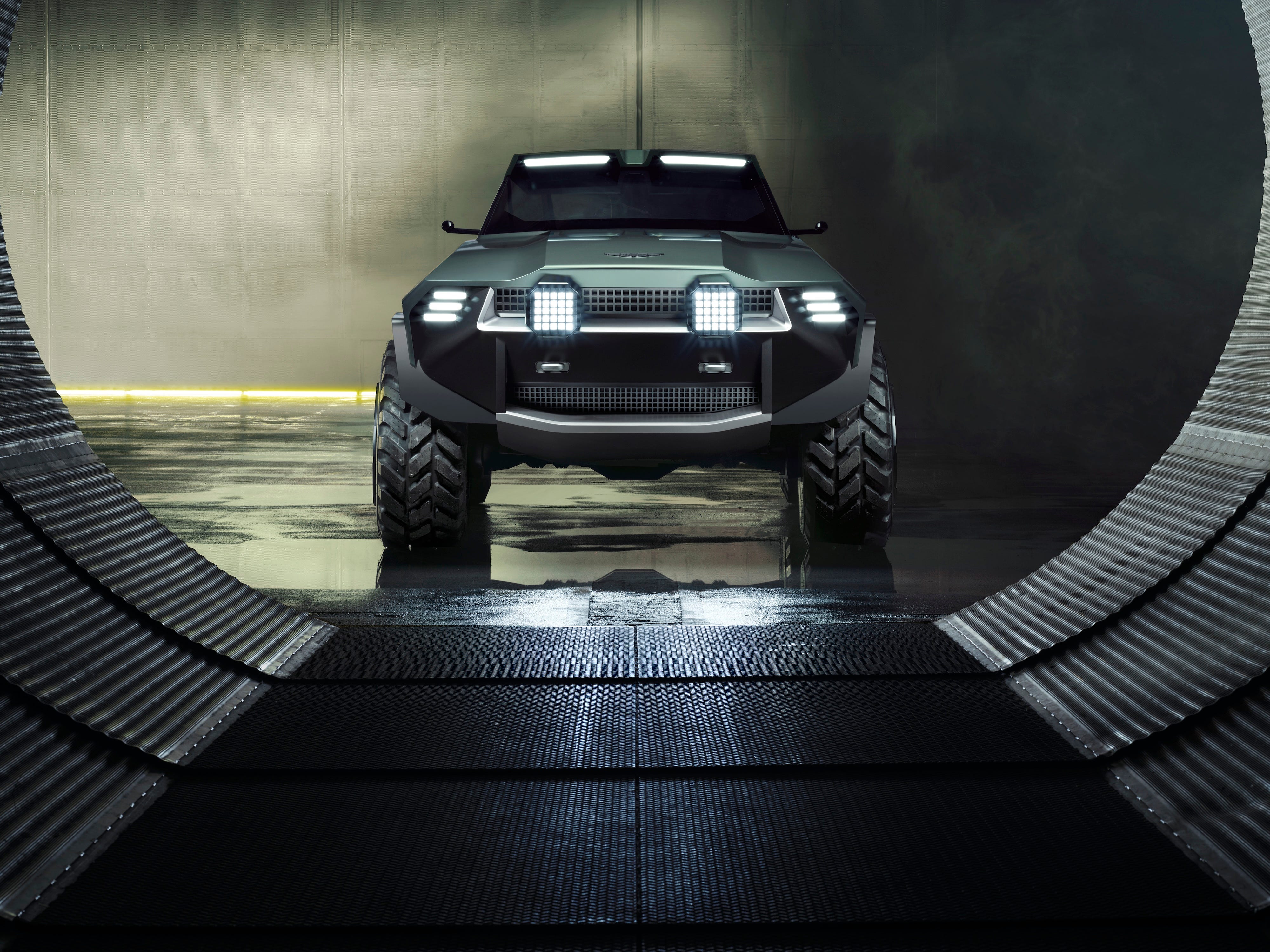
The handful of recent concepts that have broken through — Mazda’s Iconic SP, Genesis’s portfolio — share a common trait. They look like cars someone actually wants to drive. They evoke emotion without demanding that buyers accept a radically different relationship with their vehicle.
Ikeda didn’t sugarcoat the stakes. If the concept car tradition dies, the auto industry loses its only real forum for showing customers what’s coming and asking whether they want it. Production cars will be shaped entirely by spreadsheets, focus groups, and algorithms.
Thirty-six years in, Jon Ikeda is still sketching in the margins. The question is whether anyone running the business is still looking at what he draws.

Share this Story