


Governor Gavin Newsom signed a bill today handing first-time EV buyers in California a $3500 point-of-sale discount on new electric vehicles — but the fine print tells you exactly who this law was written for.
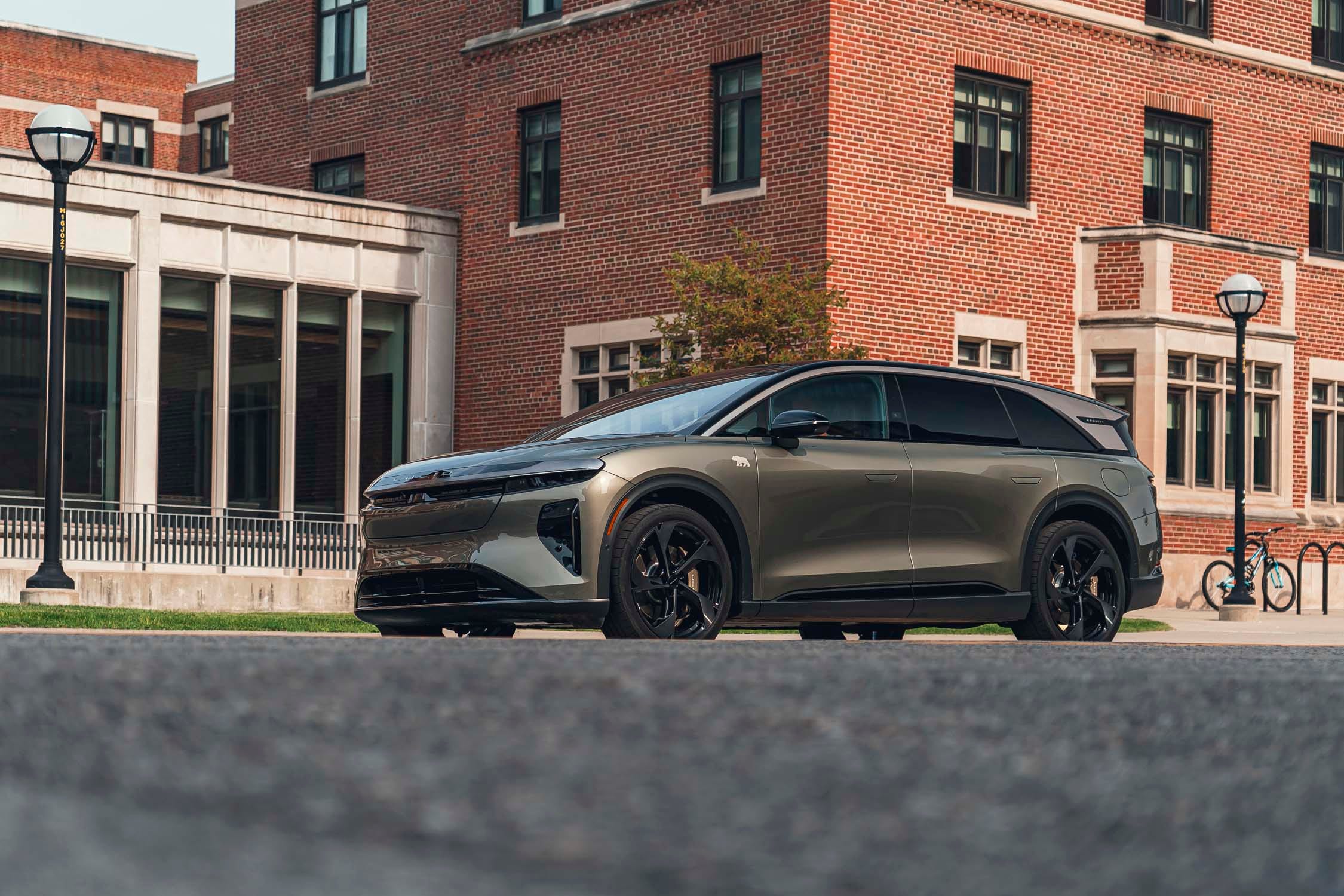
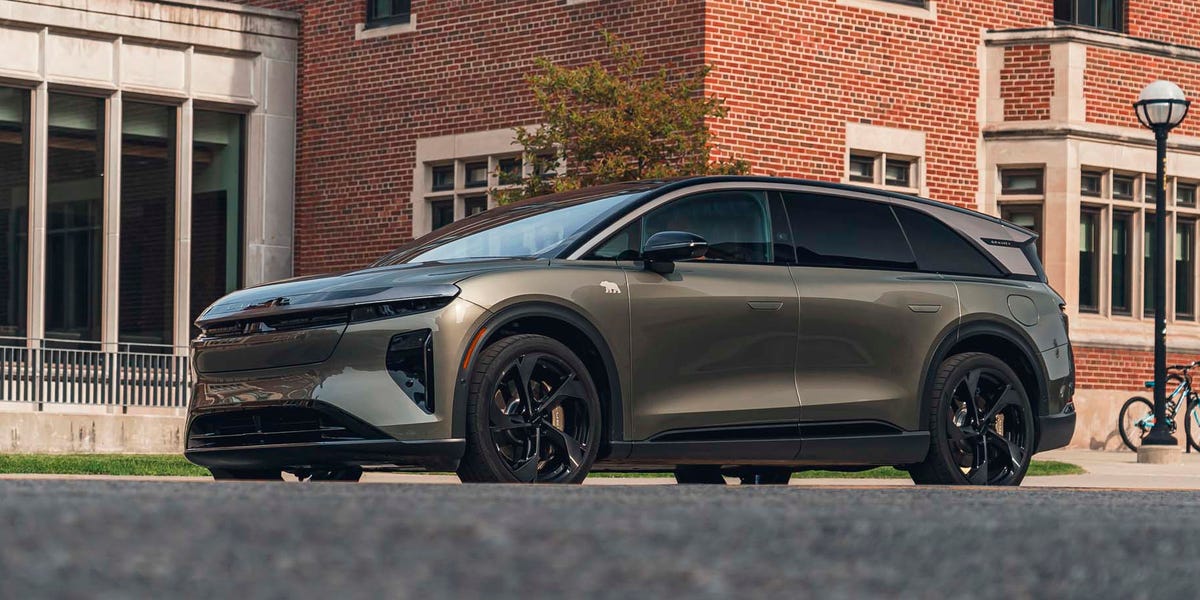
New EVs priced at $50,000 or less qualify. Used EVs at $25,000 or less get a $1750 cut. Then comes the carve-out: California-based automakers are exempt from the price cap entirely. That means Rivian, headquartered in Irvine, and Lucid Motors, based in the Bay Area, can offer the discount on their full lineups — every model of which starts above $50,000.
Tesla, born in California but now headquartered in Austin, Texas, doesn’t get the exemption. Elon Musk moved his company to Texas in 2021, and Sacramento has a long memory. Several Model 3 and Model Y trims still sneak under the $50,000 ceiling, so Tesla buyers aren’t shut out — they just don’t get the VIP treatment.
The state earmarked $135.5 million from its 2026–2027 budget, and participating automakers are expected to match dollar for dollar, creating a $270 million pool. That “participating” qualifier is doing heavy lifting. Nobody knows which manufacturers have signed on yet, and the California Air Resources Board says it hopes to release the list next month, with discounts rolling out later this summer.
If the major players join — and that’s a real if — the math gets interesting fast. A Chevy Bolt could land at $25,495. A Nissan Leaf drops to around $28,000. Ford, Subaru, and Toyota could all have models slide under the $35,000 mark for the first time.
The sub-$35K EV market in America has been embarrassingly thin. This program could triple the options overnight, at least within California’s borders.
The discount applies at the dealer, not as a tax credit you chase down months later. No paperwork, no rebate forms, no waiting. That alone separates it from the federal tax credit that Washington killed last year. The old $7,500 federal incentive required buyers to navigate IRS rules, income caps, and domestic-content requirements that disqualified half the market. California’s version is cleaner by design.
But the Rivian and Lucid exemption is where the politics get naked. Lucid’s cheapest model, the Air Pure, starts at $72,400. A $3500 discount on a $72,000 car is pocket change — 4.8 percent.
For Rivian’s R2, expected to start around $45,000, the exemption is irrelevant since it already falls under the cap. The real beneficiary is the R1S or R1T buyer stretching past $70,000 who now gets a small but symbolically important nod from the state.
Sacramento is protecting its own. California lost Tesla’s headquarters and has watched EV manufacturing scatter across the South and Midwest chasing cheaper labor and friendlier tax structures. Rivian and Lucid stayed. This bill rewards loyalty, plain and simple.
The bigger question is whether automakers outside California will play along. Matching the state’s investment means writing checks. For companies already bleeding money on EV programs — and that describes most of Detroit — the cost-benefit calculation isn’t automatic.
GM and Ford have trimmed EV ambitions repeatedly over the past two years. Asking them to co-fund a California-only incentive while their own balance sheets are under pressure is a gamble.
Still, California remains the largest car market in the country. Walking away from a state-subsidized demand boost takes nerve most boardrooms don’t have.
The program lives or dies on who shows up. A $270 million fund with broad manufacturer participation reshapes the affordable EV landscape in America’s biggest state. A fund with three or four brands attached is a press release. We’ll know which one it is by August.


Share this Story