
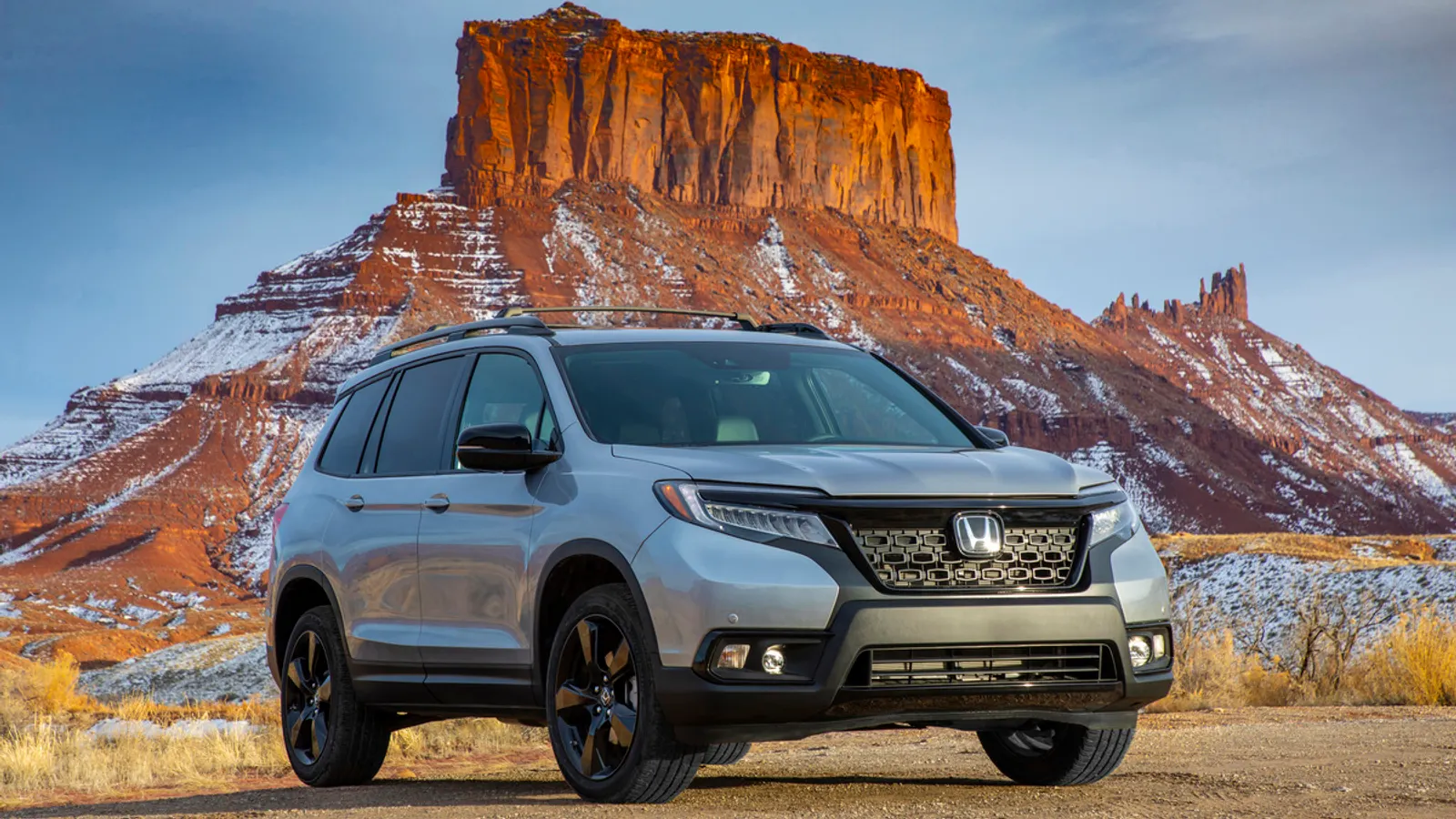


American Honda is pulling back 880,000 SUVs and pickup trucks because the paint on their rear suspension components wasn’t applied correctly, and road salt is eating through the metal underneath. The recall covers 2017-2023 Ridgelines, 2019-2023 Passports, 2016-2022 Pilots, and 2014-2020 Acura MDX models sold in 23 salt belt states stretching from Maine to Wisconsin.
Only about 1% of the affected vehicles are estimated to actually have the defect. But when a rear subframe mounting point corrodes and fractures, the rear wheels lose alignment, the vehicle loses stability, and the driver loses control. That math justifies the recall’s scale.
The root cause traces to F&P Georgia, a Tier 1 supplier that manufactured the rear subframe assemblies with what Honda calls “improper coating specifications.” The protective paint around suspension mounting points can peel, leaving bare metal exposed to years of salt spray. Corrosion creeps in, the structure weakens, and eventually it cracks.
Honda knew something was off as far back as December 2021, when it spotted differences between F&P Georgia’s paint quality and its own internal test results. The supplier tightened its pre-paint treatment process by August 2022 and increased coating thickness by January 2023. Honda then monitored vehicles in the U.S. and Canada through September 2023 and saw no accelerated corrosion.
It checked again between February and September 2025 and still found nothing alarming. Then in September 2025, Honda Canada received its first report of a potential corrosion issue. That single report cracked open a broader investigation.
By April 2026, Honda was mapping the affected population. On May 28, it approved the recall. Owner notification letters go out July 7.
The timeline is worth scrutinizing. Nearly four years elapsed between Honda first identifying a coating quality problem at its supplier and formally recalling the vehicles. The company will point to its monitoring phases and the absence of warranty claims or injury reports in the U.S. as justification for the pace.
Critics will note that a known coating deficiency on suspension-critical components in the saltiest states in America probably warranted faster action.
Dealers will install a rear subframe reinforcement kit at no charge and inspect components for existing damage, repairing or replacing parts as needed. The remedy parts come with improved pre-paint treatment and thicker coatings, the same fixes F&P Georgia implemented in production years ago.
This is not Honda’s first rodeo with salt belt corrosion. In 2023, the company recalled more than 600,000 CR-Vs for rear frame corrosion in the same states. A year before that, nearly 133,000 Ridgelines were recalled because frame corrosion could cause the fuel tank to detach.
Ford dealt with its own version of the same problem in February, recalling over 400,000 SUVs for corrosion-related rear suspension failures. The pattern is unmistakable. Automakers and their suppliers continue to underestimate what Midwestern and Northeastern winters do to undercarriage steel.
Road salt is not a new variable. It has been corroding vehicles in these states for decades. And yet coating specifications keep coming up short, monitoring programs keep dragging on, and six-figure recall populations keep stacking up.
Honda reported zero U.S. injuries tied to this defect and no issues in warmer-climate states. Owners in the affected regions who notice unusual handling, rear-end vibrations, or strange noises should contact their dealer. The reinforcement kit is free, and given what’s at stake beneath the vehicle, it’s not optional.

Share this Story