
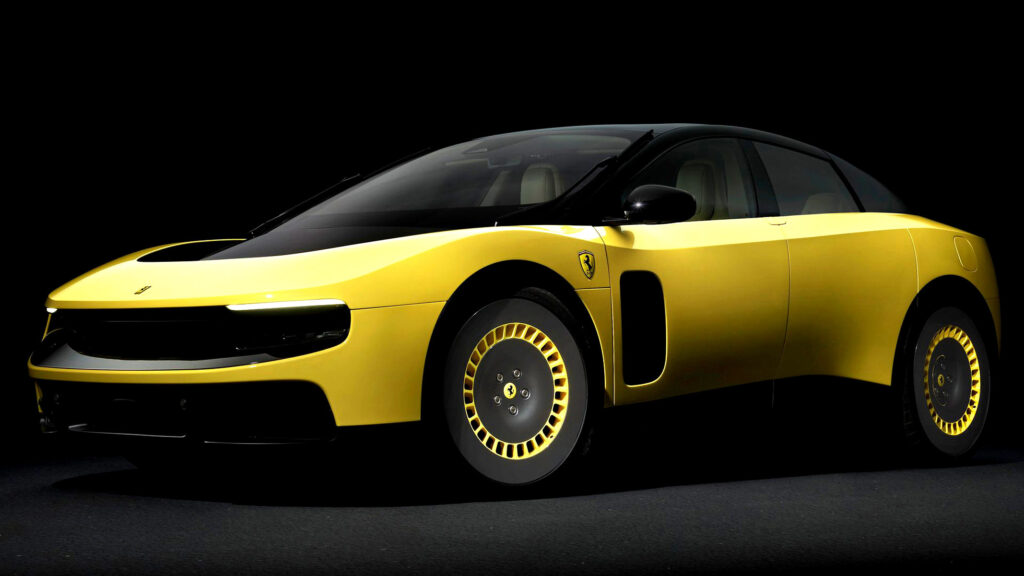


Ferrari didn’t build the Luce to win over electric-vehicle enthusiasts. It built a loyalty test with a plug, and collectors are lining up to take it.
According to Bloomberg, more than half a dozen buyers across Italy, China, and other markets say Ferrari has signaled that purchasing the €550,000 ($636,000) Luce could strengthen their standing for future allocations of the brand’s most coveted limited-production cars. The EV isn’t the destination. It’s the cover charge.
Ferrari, predictably, denied encouraging anyone to buy a car just to climb the ladder. The company told Bloomberg that customers should choose vehicles based on personal taste, not perceived advantage. It also acknowledged prioritizing long-standing relationships when distributing its rarest models. Those two statements exist in quiet tension with each other, and everyone involved knows it.
The playbook isn’t new. Rolex dealers have operated this way for years — buy the less desirable models, build the relationship, and maybe someday you get the call for a steel Daytona at retail. Hermès perfected it with Birkin bags. Ferrari has simply scaled the concept to six figures per transaction.
Jay Leno has talked openly about refusing to play this game with Ferrari. Collector-car adviser Max Girardo likened it to getting a table at an impossible reservation, where regulars eventually receive preferential treatment. Neither analogy fully captures the stakes here, though, because the Luce isn’t a $15,000 Rolex Oyster Perpetual or a $3,000 Hermès scarf. It’s a $636,000 automobile that a significant portion of the Ferrari faithful greeted with open hostility.
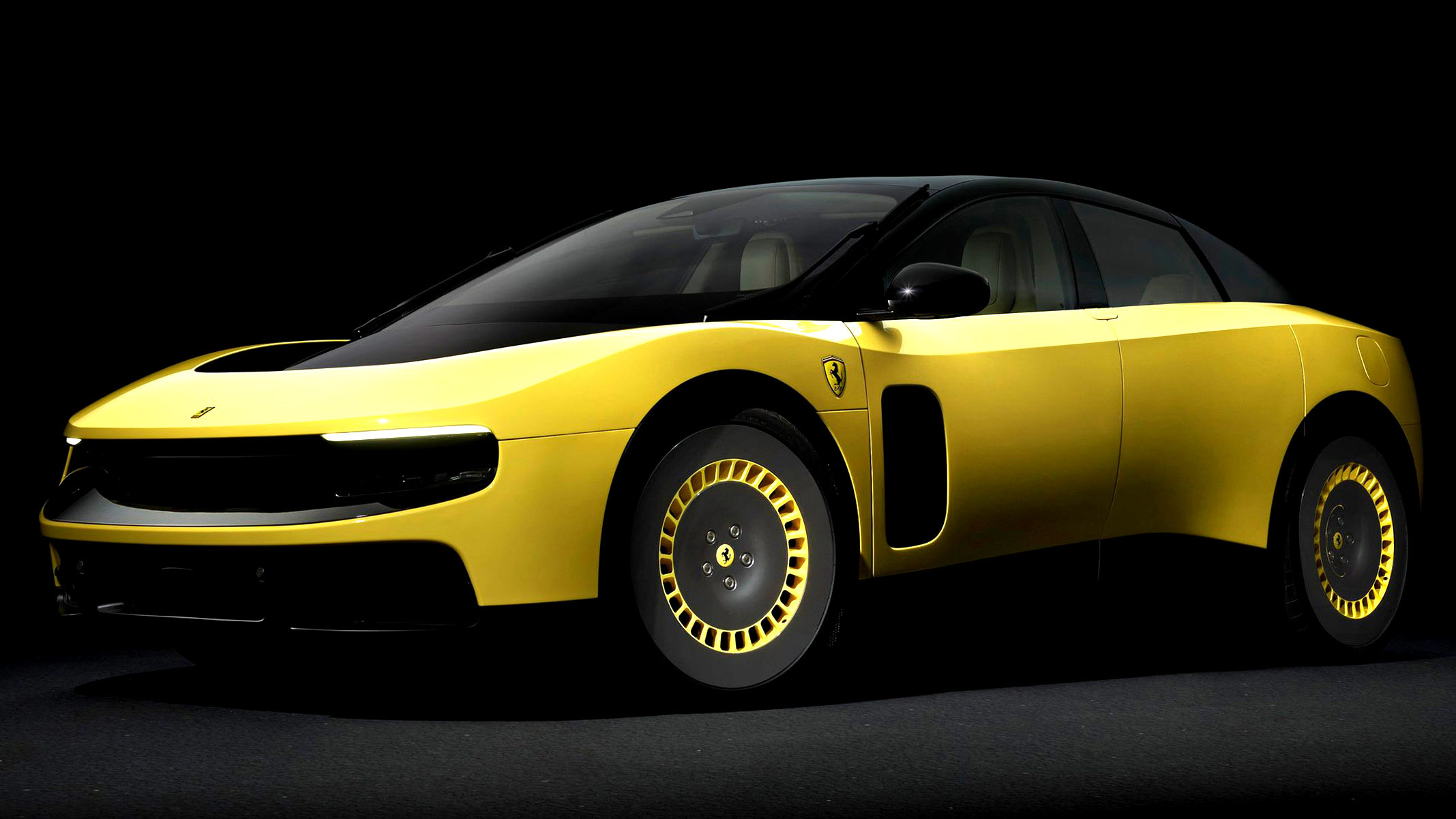
Most people seem to hate the car and say it’s ugly,” said Paul Welch, founder of luxury-assets platform MillionPlus. He added that some buyers are considering the purchase purely to move up the waiting list for future models. “A lot of people play that game.”
That game carries real risk on both sides. A collector who spends north of $600,000 on a car he doesn’t want, banking on a future LaFerrari-successor allocation that may never come, has made an expensive bet with no guarantee. Ferrari, meanwhile, is tying the launch of its first EV — a pivotal product for the company’s long-term regulatory and technological future — to a transactional reputation.
If the Luce becomes known primarily as a toll booth rather than a genuine piece of engineering, it poisons the well for whatever electric ambitions come next.
Ferrari produced roughly 14,000 cars last year. Its entire business model depends on manufacturing scarcity and desire in equal measure. The Luce tests that formula because the desire, at least publicly, isn’t there.
The car didn’t debut to fanfare. It debuted to memes. Nissan posted a troll response before quietly deleting it, and Mazda piled on and left its jab up.
None of that matters if the order books fill anyway — and they likely will. Ferrari’s clientele has proven time and again that access to the brand’s inner circle is worth almost any price of admission. The question isn’t whether the Luce will sell, but whether Ferrari can keep extracting loyalty payments at this altitude without the transaction becoming the entire relationship.
Scarcity works until your customers feel like marks instead of collectors. Ferrari has walked that line better than anyone in the business for decades. The Luce is the sharpest test yet of whether the rope holds.

Share this Story