


Santo Ficili, Maserati’s COO, just said the quiet part out loud. The Quattroporte — a nameplate that once graced some of the most elegant four-door sedans ever built in Modena — could come back as something between a sedan and a crossover. Let that sink in for a moment.
During a call tied to the facelifted Grecale and GranTurismo lineup, Ficili told Road & Track that “the modern interpretation of a sedan can change” and that he sees room for “a sort of sedan, which is a little bit more capable … but still aggressive.” Then he went further, saying “the word ‘Quattroporte’ is exactly looking for something new — because at the end of the day, there is this bridge that still hasn’t been done between SUVs and sedans.”
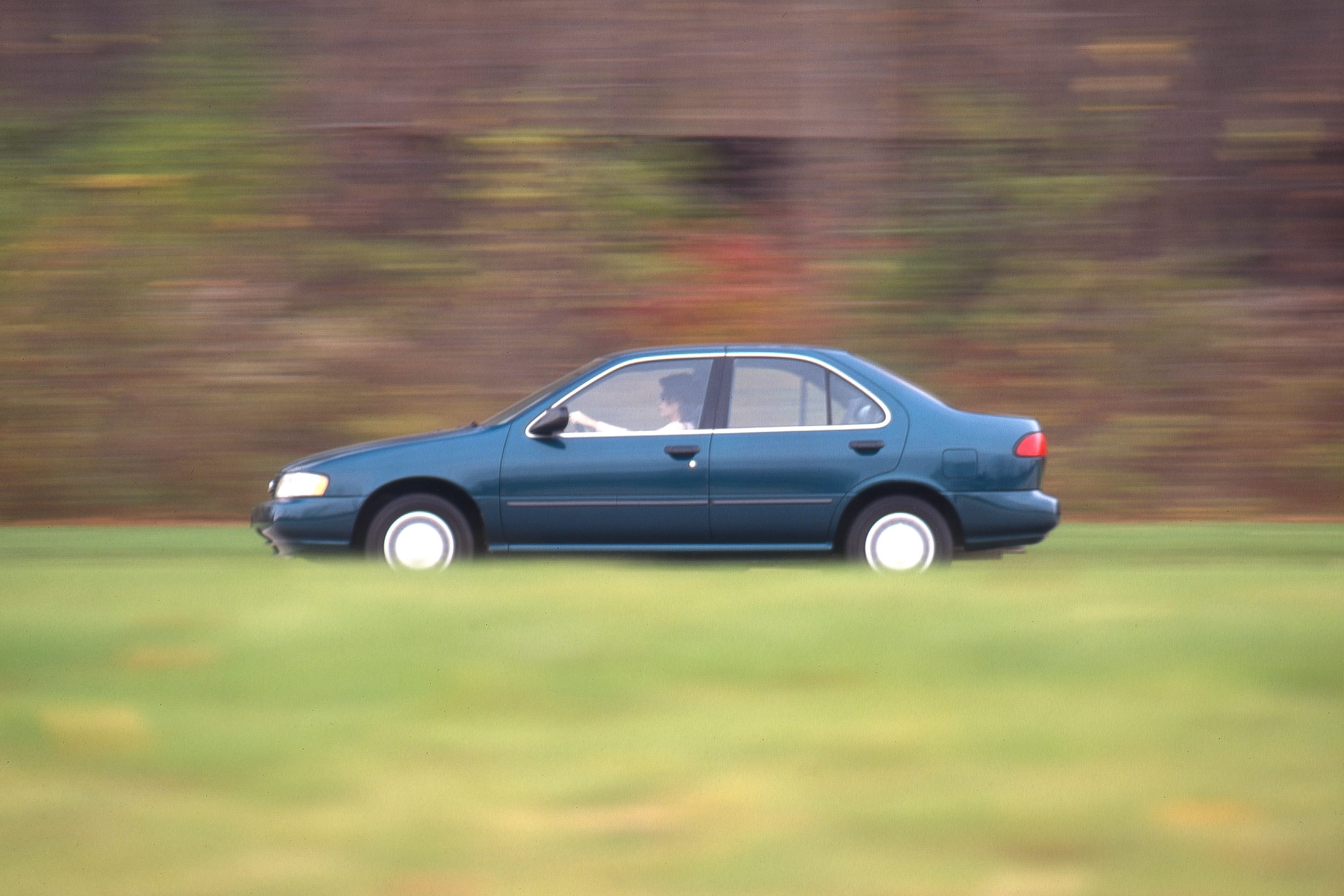
That bridge has been attempted before. The AMC Eagle tried it in the early 1980s. Volvo gave it a shot with the S60 Cross Country over a decade ago. Toyota’s Crown sedan relaunch aimed for similar territory. None of those efforts exactly set the world on fire. The automotive landscape is littered with the bones of vehicles that tried to be two things at once and ended up being neither particularly well.
Maserati is currently developing two E-segment vehicles slated to arrive before 2030. One is widely expected to replace the Levante SUV. The other remained a mystery until now. A teaser image hinted at a sports car, grand tourer, or four-door coupe. Ficili’s comments point squarely toward that last option — a raised, rugged-ish four-door wearing the Quattroporte badge.
Chief Marketing Officer Cristiano Fiorio added context by noting that Maserati is absent from the E-segment where it built its legacy with the Quattroporte and Ghibli sedans. “In this direction, we are developing a new model because there is a specific request coming from the customer,” he said.
Customer demand is one thing. Execution is another. Maserati’s recent track record on delivering promised products is shaky at best. The MC20’s rollout was glacial. The Grecale arrived late. The GranFolgore EV has yet to prove itself commercially.
Promising two E-segment vehicles by decade’s end sounds ambitious for a company that currently sells fewer cars annually than some Porsche dealerships move in a quarter.
The partnership talks Maserati is currently hosting could change the math. Access to another automaker’s platform, powertrain technology, or manufacturing capacity would speed up timelines and reduce the financial risk of developing niche products. Details are expected in December.
But the fundamental question isn’t about timing or platforms. It’s about identity. The Quattroporte name carries six decades of weight. It belonged to hand-built V8 sedans that competed with the S-Class and 7 Series on soul rather than spec sheets. Turning it into a jacked-up sedan-crossover hybrid isn’t evolution — it’s surrender to a market segment that already has too many entries and not enough differentiation.
Ficili clearly believes there’s white space between sedans and SUVs that no one has claimed. He might be right. But the reason that space remains unclaimed isn’t because nobody thought of it. It’s because buyers on both sides of that divide know exactly what they want, and a compromise vehicle satisfies neither camp.
Maserati building a lifted four-door and calling it Quattroporte is a bit like Steinway building a digital keyboard and calling it a grand piano. The name doesn’t make the product. The product has to earn the name. December will tell us whether Maserati understands the difference.
Share this Story