
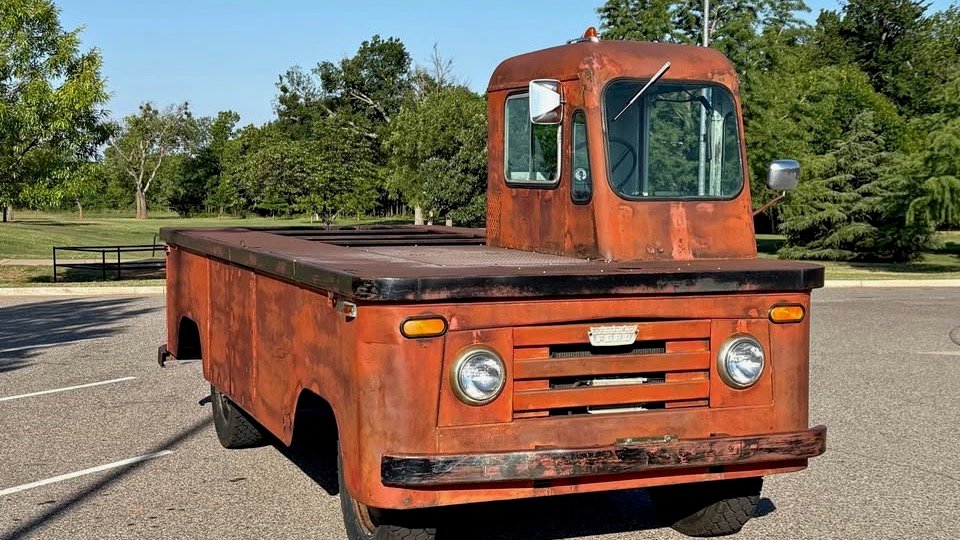


A 1960 DeKalb Lumberjack just sold on Facebook Marketplace in Oklahoma, and it moved fast. That alone tells you something about how badly people want trucks that look like nothing else on the road.
This thing is barely a truck in the conventional sense. It’s a single-seat pod welded to the far left corner of a flatbed, designed with one purpose: carry as much lumber as physically possible in the smallest footprint imaginable. Think of it as a motorized Ikea cart with a steering wheel and a license plate.
The DeKalb Commercial Body Corporation built the Lumberjack for lumberyards that needed to deliver building materials in tight urban spaces without sending a full-size flatbed through narrow streets. Extra-long boards lay parallel to the cab. Shorter stock goes on the flatbed behind it.
A lower channel beneath the main deck allows double-stacking. There’s even a cabinet between the passenger-side wheels, a storage solution that predates Ram’s RamBox by half a century.
Driver comfort was not part of the equation. That tiny cab looks about as inviting as a telephone booth in August. No passenger seat, no creature comforts, just enough room for one human being and a steering column.
DeKalb started life in 1904 as Sycamore Wagon Works in DeKalb, Illinois, building horse-drawn buggies. When the internal combustion engine killed that business, the company pivoted to building specialty commercial bodies on other manufacturers’ chassis. Smart survival move.
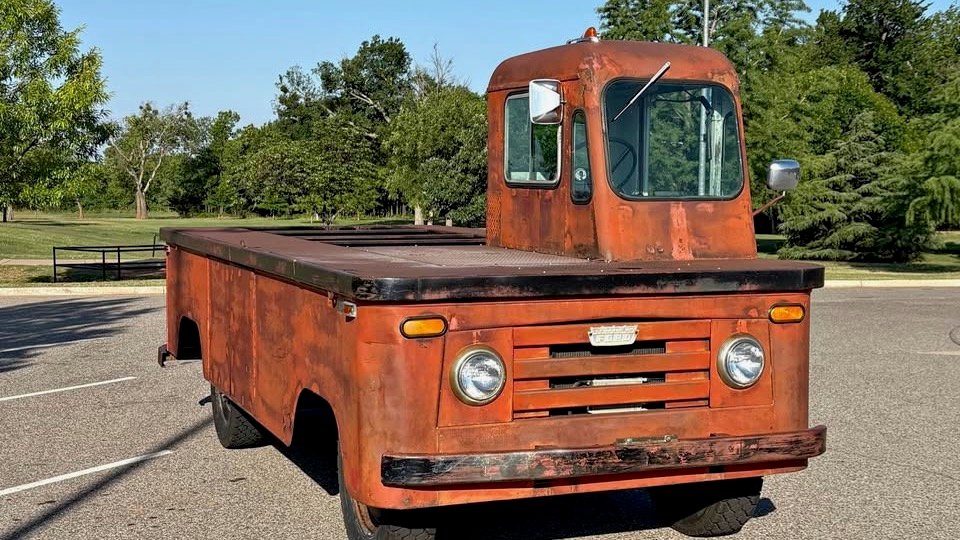
This particular Lumberjack rides on a 1960 Ford P-350 chassis, the “P” designating parcel delivery, which was the platform’s original intent. DeKalb also dropped its Lumberjack bodies onto Chevrolet and Dodge rolling stock. A bigger sibling called the Lumber King existed too; one sold on Bring a Trailer in 2022 for $19,500 on a Chevy P35 chassis.
The Oklahoma seller was asking $21,500 for this Ford-based example. The final transaction price wasn’t disclosed. According to the listing, the truck was originally ordered new by a lumberyard in Jacksboro, Texas, and spent most of its life there before crossing into Oklahoma a couple of years ago.
Someone along the way swapped out the original Ford inline-six for a Chevy 305 V8. That’s a common and practical upgrade that gives the old hauler considerably more grunt.
Total mileage was unlisted, but the seller claimed to have put 10,000 miles on it personally. That’s not a garage queen. That’s a truck somebody actually used.
What makes the Lumberjack fascinating in 2025 is how ruthlessly it prioritized function. Every square inch of the vehicle that wasn’t absolutely necessary for driving was handed over to cargo. No back seat, no extended cab, no crew cab, no pretense whatsoever that this machine existed for anything other than moving material from point A to point B.
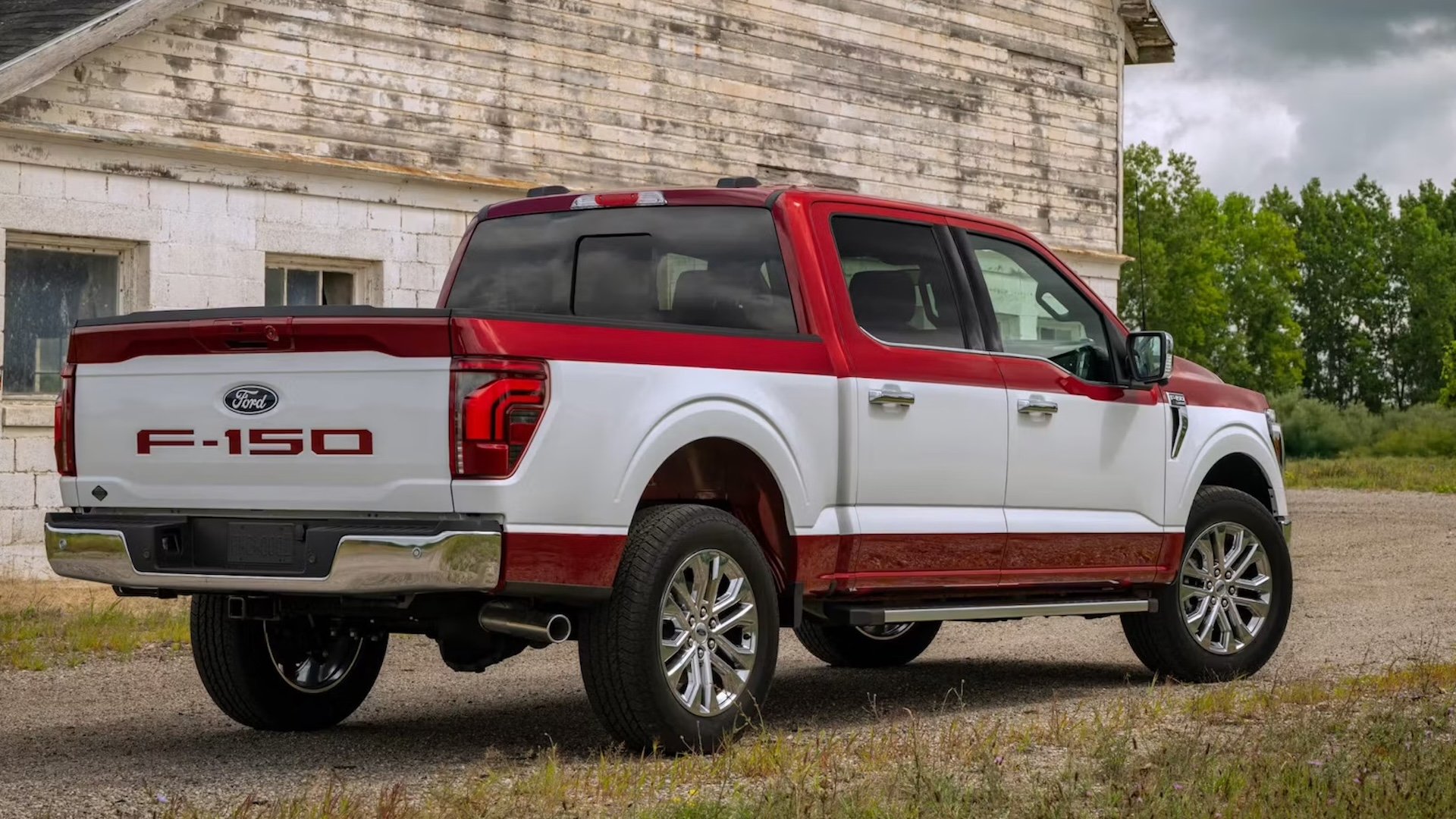
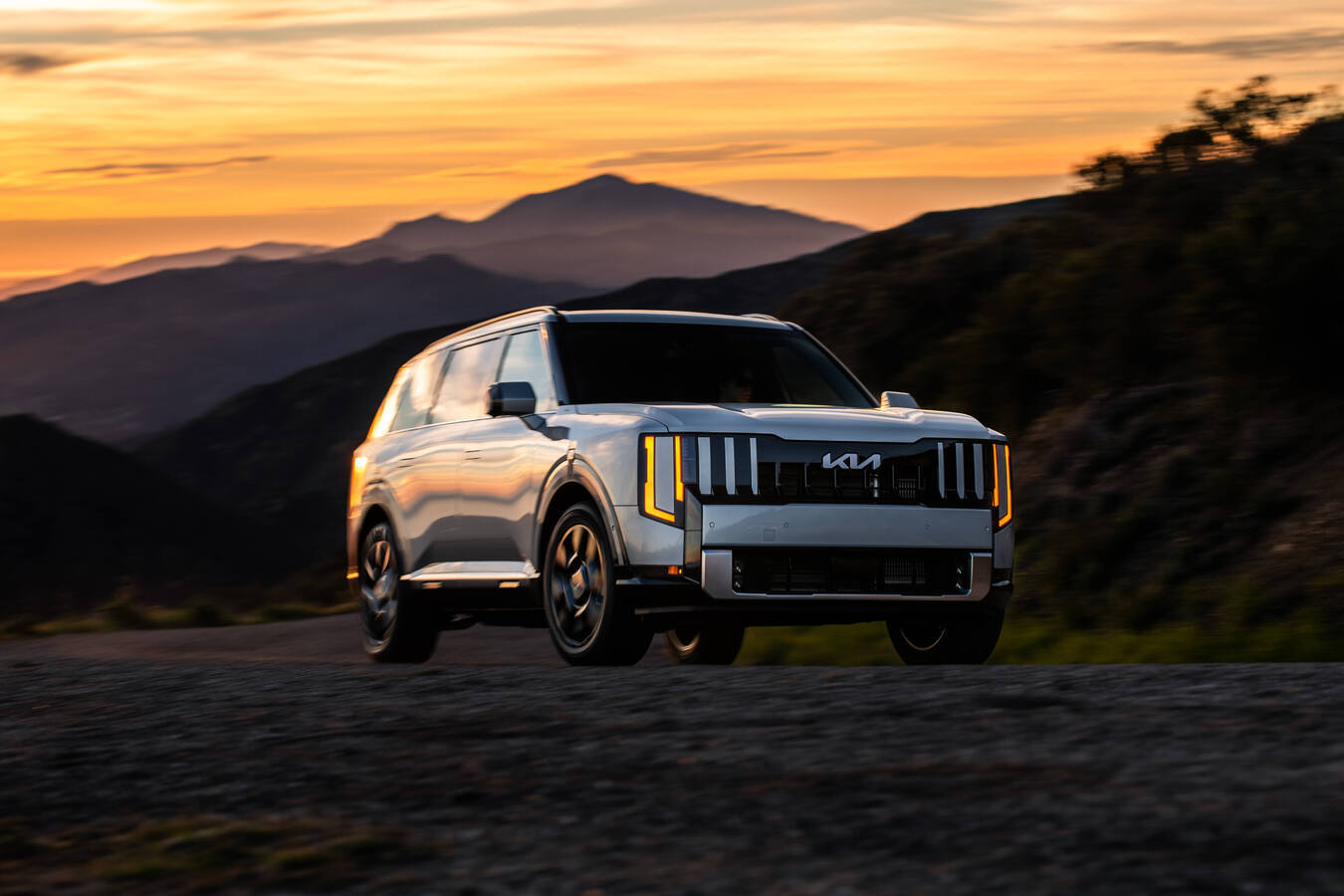
Modern trucks have gone exactly the opposite direction. Today’s half-tons are rolling living rooms with six-figure price tags and beds that rarely see a two-by-four. The Lumberjack is a relic from an era when commercial vehicles were designed by people who actually had to deliver things, not by marketing departments chasing lifestyle buyers.
It sold quickly because it’s one of a kind. But it also sold quickly because it reminds people what trucks were supposed to be.


Share this Story