
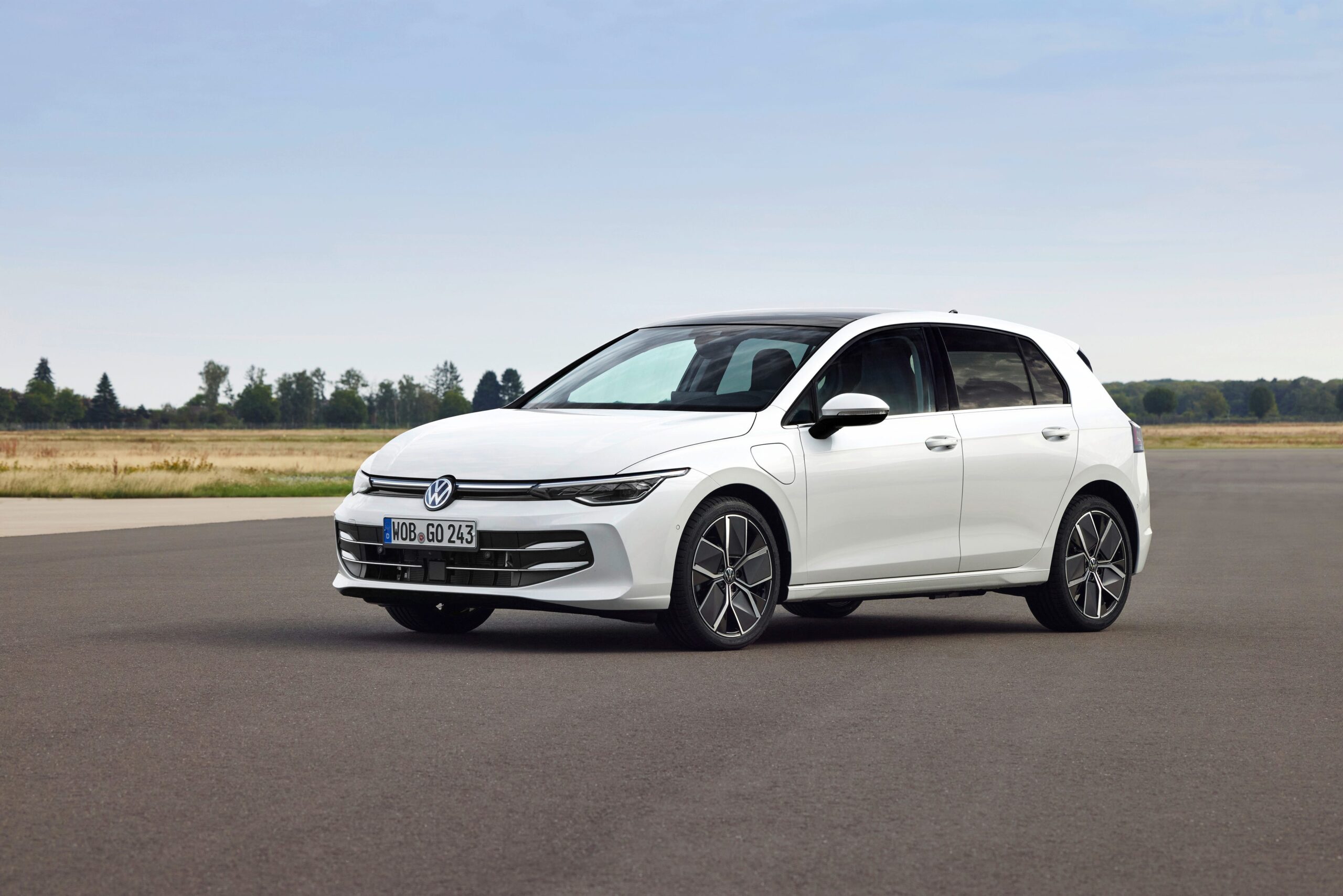


Volkswagen hasn’t sold a base Golf hatchback in the United States since 2021. That drought could end as early as 2027, but only if Washington cooperates on trade policy — a bet no automaker should be eager to make right now.
VW Group of America CEO Kjell Gruner told Automotive News that moving Golf production from Wolfsburg, Germany, to Puebla, Mexico, creates a window to bring the affordable hatchback back stateside. The catch is blunt arithmetic. At the current 25 percent tariff on Mexican-built vehicles, an entry-level Golf doesn’t pencil out.
“A 25 percent tariff for an entry version of the Golf would turn out to be difficult,” Gruner said. He wants that number at 15 percent or lower — the same rate applied to imports from South Korea, Japan, and the EU.
The production shift is real and already locked in. It was formalized as part of a December 2024 labor agreement between VW Group and German unions, a deal that traded German assembly jobs for cost savings in North America. Starting in 2027, the Golf will be built alongside the Tiguan, Jetta, and Taos in Puebla.
Building the car closer to the U.S. market slashes logistics costs and avoids the steeper tariffs on European imports. But Mexico’s own tariff burden, imposed during the latest round of trade escalations, turns what should be a slam-dunk into a maybe. VW is asking the U.S. government to cut a deal before it commits to expanding the Golf lineup here.
“We would love to leverage that opportunity,” Gruner said, choosing his words carefully.
If the numbers work, the payoff for VW’s American lineup is real. The last base Golf sold here started at $24,190. Bringing it back would give Volkswagen a third model priced under $30,000, joining the $25,270 Jetta and the $27,975 Taos.
That’s exactly the price segment where the brand has been losing ground to competitors who offer more choices.
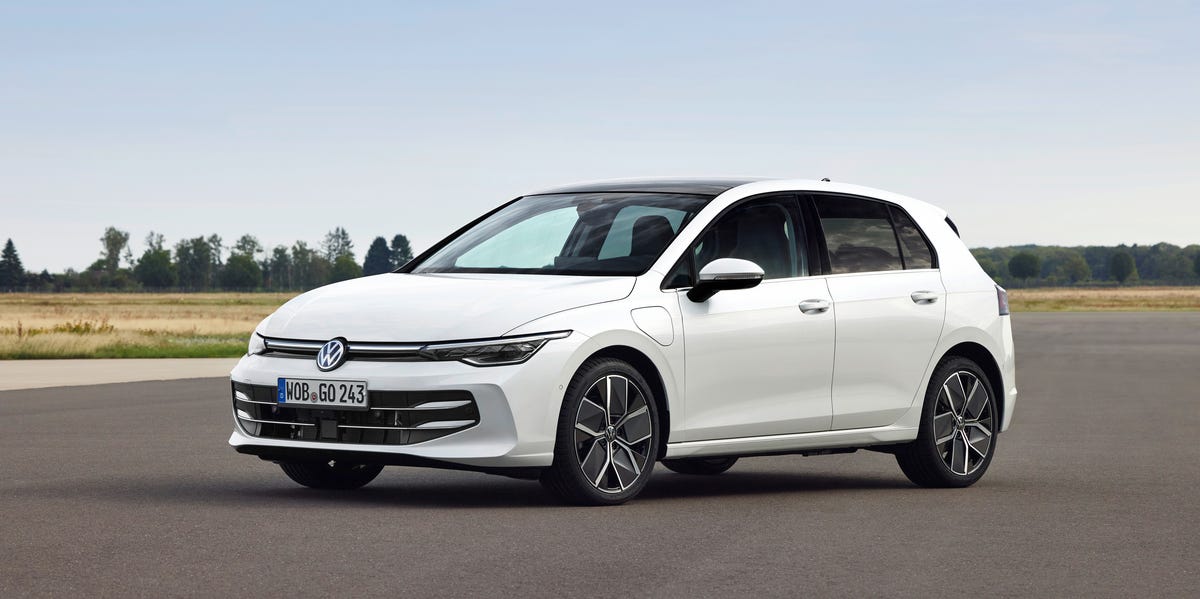
Beyond the standard hatchback, Gruner hinted at the possibility of reviving other variants — the Golf SportWagen and the lifted Golf Alltrack — models that earned cult followings before VW pulled them from the market. Enthusiasts have been asking for years. The factory capacity will be there. The only barrier is policy.
And that’s where the optimism needs a cold shower. Trade policy between the U.S. and Mexico has been volatile, unpredictable, and subject to the political winds of the moment. VW is not going to tool up a production line for a low-margin hatchback on the hope that tariffs come down.
The irony is thick. VW built its American identity on affordable, practical cars — the original People’s Car promise. The Golf was the spiritual successor to the Beetle in that regard. Now the company has the manufacturing plan, the product, and the customer demand, but it’s stuck waiting on a tariff rate that may or may not materialize.
For now, Americans who want a Golf can choose the $32,885 GTI or the $45,885 R. Those are fine cars, but they’re performance machines, not the everyman hatchback that made the nameplate iconic. VW knows this. Gruner admitted the company is ready to move the moment the trade environment allows it.
The Golf is packed and ready to cross the border. It just needs someone in Washington to open the gate.

Share this Story