
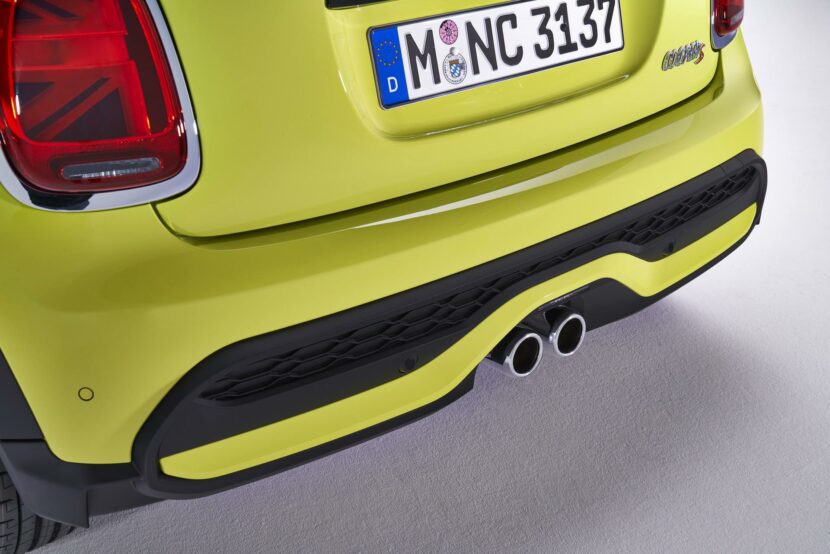


MINI rolled out its near-term American strategy at BMW Group’s retailer meeting in Nashville last week, and the centerpiece wasn’t a new car. It was dual exhaust tips.
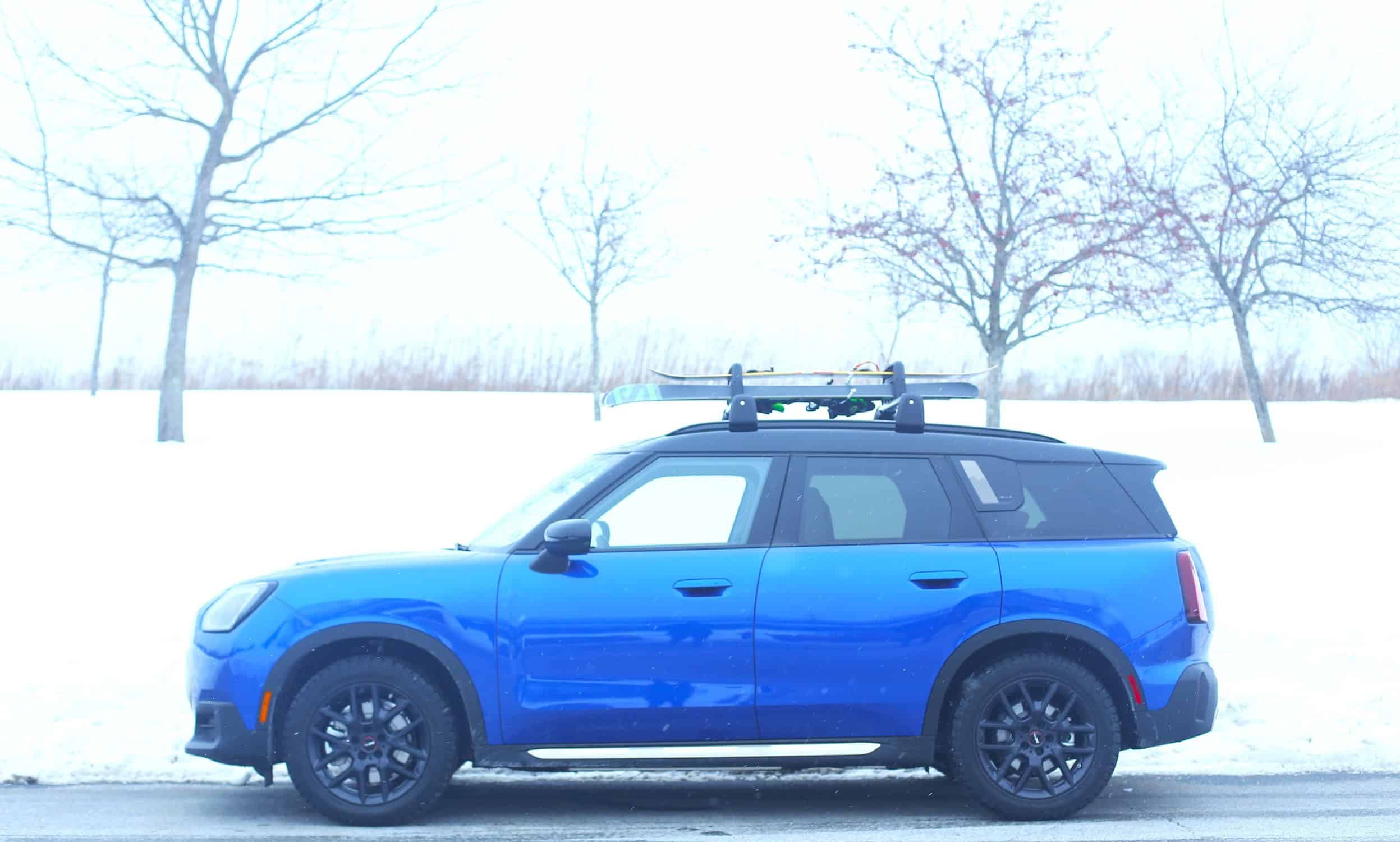
The May 27 presentation at Music City Center, first reported by Automotive News citing dealers who asked to remain anonymous, focused almost entirely on special editions and trim packages. A Paul Smith collaboration. Rally-inspired variants. A Countryman Untamed Edition. New paint colors. The return of twin tailpipes. MINI framed it all as a homecoming — a deliberate pivot back to the quirky, personalization-heavy identity that made it a cult hit when it landed in America in 2002.
“MINI is trying to get back to how it was launched in the U.S.,” one dealer said. “It’s an iconic, sporty, fun, unique brand.”
That sounds great on a mood board. On the sales floor, it’s a different conversation.
The same dealer who praised the niche limited editions also said he wanted to see new nameplates announced alongside them. That’s a polite way of saying the product pipeline feels thin. MINI canceled planned EVs for the U.S. market in recent years as tariff pressures made the math impossible, and special-edition trim packages don’t fill the hole left by missing models. You can’t accessorize your way out of a lineup gap.
This is the tension sitting at the center of MINI’s American future. The brand knows exactly what it should feel like. It just doesn’t have the metal to back it up.
Limited runs and heritage collaborations generate social media buzz and maybe a weekend of showroom traffic, but they don’t give a dealer something to sell on a Tuesday in October. MINI expanded aggressively after its U.S. relaunch, adding nameplates and growing vehicle size until the brand had drifted far from its original identity. Now the correction has swung too far in the other direction — all character, not enough catalog.
Sean Green, appointed vice president of MINI Region Americas effective May 1, arrives from BMW Group China, where he ran the brand’s entire Beijing operation. He inherits a marque that sells in small numbers, operates under tariff constraints that limit which products can feasibly cross the ocean, and faces a dealer body that is loyal but hungry.
“New leadership will get MINI back on track,” the dealer told Automotive News, “but it will take time.”
Time is the one commodity small-volume brands burn through fastest. Every quarter without a compelling new nameplate is a quarter where showroom foot traffic erodes a little more, where the most passionate salespeople move to other franchises, where the customers who once loved configuring their MINI online simply stop checking the website.
Paul Smith editions are clever. Rally stripes are fun. Dual exhaust tips on a small car still look cool. None of that is a strategy for growth. It’s a strategy for survival — for keeping the lights warm until the real product arrives.
MINI’s pitch in Nashville was a promise that the brand remembers who it is. The dealers in the room seemed to believe it. They just wish they had more to put on the lot while they wait.
Share this Story