
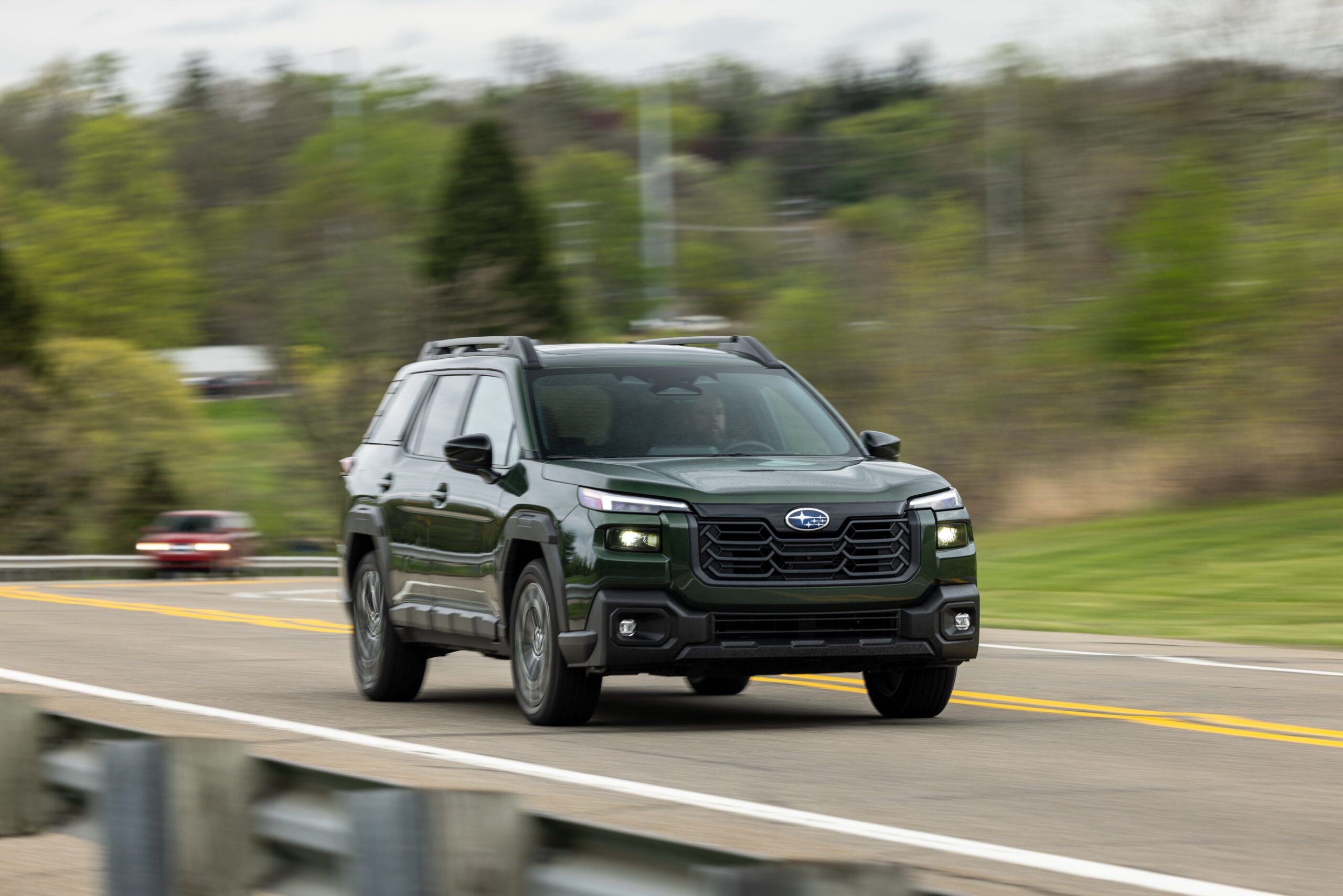


Subaru sold over 150,000 Outbacks almost every year of the outgoing model’s life. The seventh-generation version arriving now wants to keep that streak alive by becoming something the Outback has never been: a conventional mid-size SUV. That’s the problem.
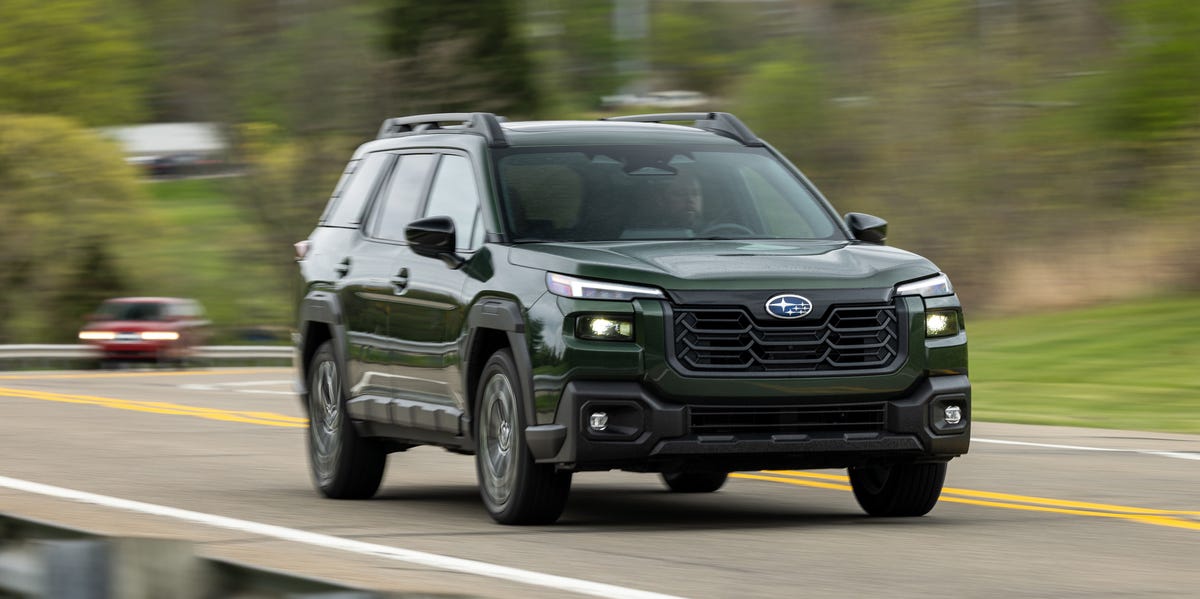
The 2026 Outback has abandoned its elongated, slightly swoopy wagon proportions for a boxier, blunter shape that could belong to half a dozen competitors. Split headlights with thin LED eyebrows, tall fenders, an upright C-pillar — it checks every current crossover design trend without adding a single distinctive one. Thirty years of cultivated weirdness, traded for anonymity.
Dimensionally, the new Outback barely grows. Length, width, and wheelbase are virtually unchanged. Height increases 1.4 inches, and seating position climbs by the same amount.
The cargo hold gains two cubic feet behind the rear seats, and Subaru says it swallowed more carry-on suitcases in testing. Useful, but hardly transformative.
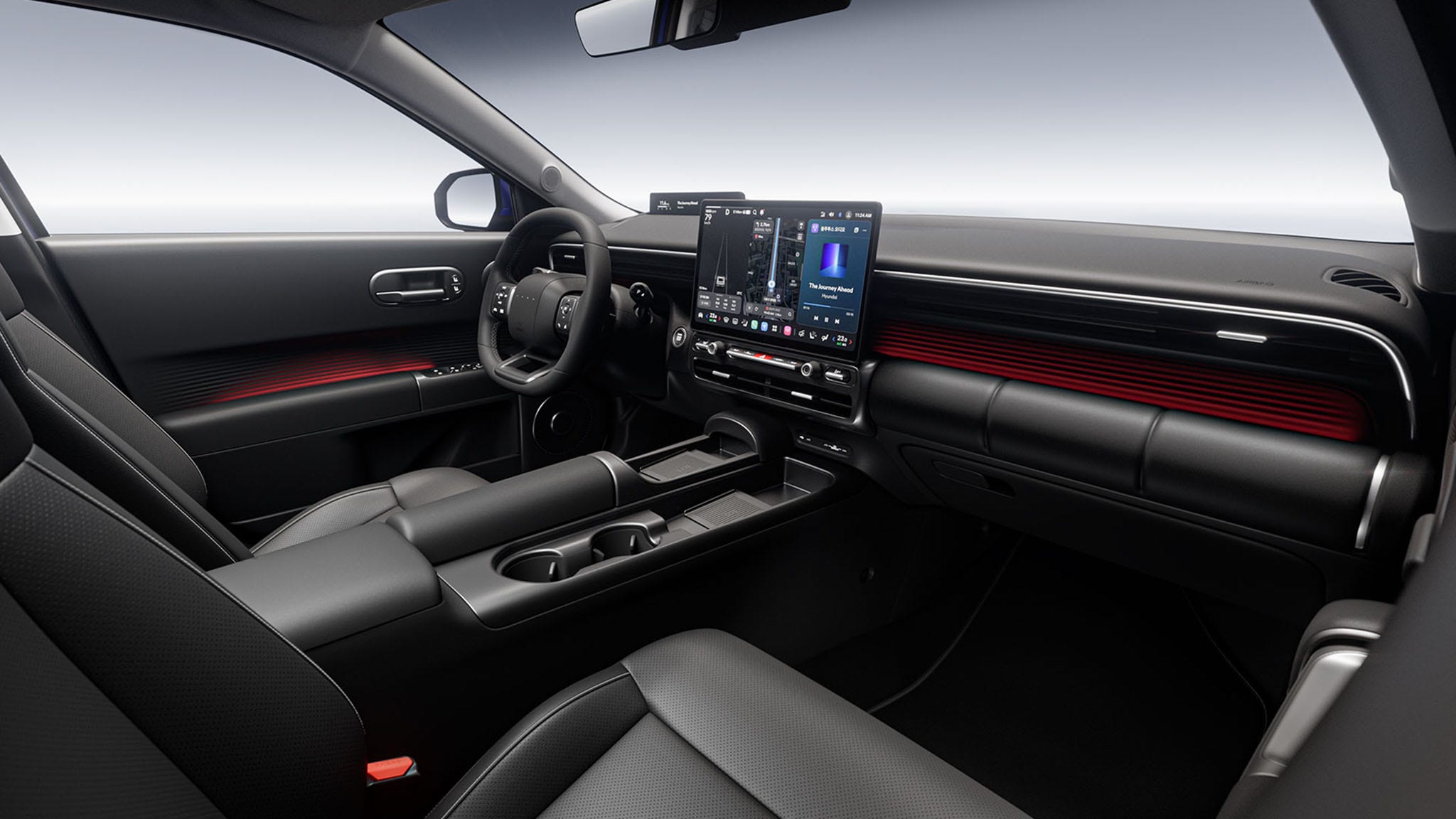
Inside, the improvements are more convincing. A horizontal 12.1-inch infotainment screen replaces the old vertical unit and runs quicker software. Climate controls return to physical buttons.
Cupholders, cord clips, and Nalgene-compatible door pockets prove Subaru still obsesses over the small stuff. The cabin is the best part of this vehicle, full stop.
Under the skin, precious little has changed. The base 2.5-liter flat-four still makes just 180 horsepower — anemic for a machine that weighs roughly 3,800 pounds. The turbo 2.4-liter in XT trims bumps output to 260 horsepower and reached 60 mph in 6.2 seconds during instrumented testing, but the CVT introduces a rubbery lag that undermines whatever urgency the turbo provides.
Ride quality is smooth. Steering feel is not. Car and Driver’s testers called the handling “loosey-goosey,” with vague inputs and generous body roll making the Outback drive bigger than its footprint.
On pavement, it doesn’t feel like a driver’s car. Off pavement, it redeems itself somewhat — 8.7 inches of ground clearance, standard all-wheel drive, and genuine composure on gravel and sand make a case for the Outback as a capable soft-roader. The Wilderness trim pushes clearance to 9.5 inches with all-terrain tires for buyers who actually use dirt roads, and Subaru insists many of them do.
Fuel economy has slipped, almost certainly thanks to that blunt new face. The base engine returns 27 mpg combined; the turbo manages 24. At 75 mph on the highway, the turbo XT hit 29 mpg — respectable against gas-only rivals like the Honda Passport but embarrassing next to the hybrids now flooding this class from Toyota, Hyundai, and others.
There is no Outback Hybrid, even though the Forester and Crosstrek already offer one. That’s a glaring omission.
Then there’s the price. Subaru axed the base trim entirely. The 2026 Outback Premium starts at $36,445 — over four grand more than the outgoing model’s entry point.
A loaded Touring XT pushes past $49,000. At those numbers, shoppers can cross-shop three-row SUVs and hybrid competitors that deliver more capability per dollar.
Subaru knows its customers and is betting that loyalty, name recognition, and incremental improvements will keep the faithful writing checks. Many will. But the Outback used to win converts precisely because it wasn’t like everything else on the lot.
It was the wagon that could, the oddball with genuine capability, the car that made you feel slightly smarter than the SUV herd. Now it’s dressed like the herd, priced like the herd, and drives softer than the best of the herd.
Subaru filed down the edges that made the Outback special without sharpening the tools needed to compete head-on with polished mid-size SUVs. That’s a trade that may keep the sales charts steady for a while — but it won’t keep the soul intact.
Share this Story