
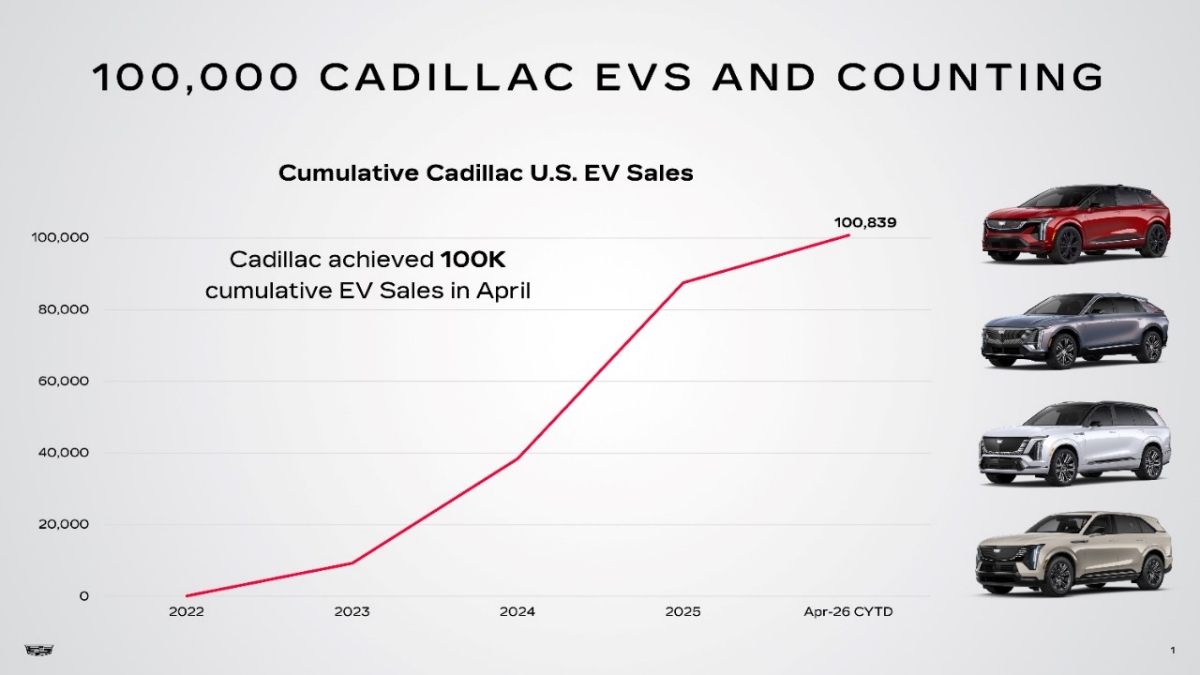


Four years ago, Cadillac was an EV afterthought. A legacy brand with legacy problems trying to sell a single electric crossover into a market Tesla had already locked down. Today, the brand claims 100,000 cumulative U.S. EV sales across four models, and the number buried in the announcement matters more than the milestone itself.
Roughly three-quarters of those buyers are new to Cadillac.
That’s not a sales figure. That’s a conquest rate. And if it holds up under scrutiny, it represents something GM has been chasing for the better part of two decades: pulling luxury buyers out of German and Japanese showrooms and into American ones.
Duncan Aldred, GM’s Senior Vice President and President of North America, named the defectors directly — Tesla, Mercedes-Benz, BMW, Audi, and Lexus. That’s not an accident. That’s a targeting list. It tells you Cadillac isn’t measuring itself against Lincoln anymore but against the cars parked in country club lots and Silicon Valley garages.
The 100,000 figure spans the Lyriq, Optiq, Vistiq, and the Escalade IQ. The Lyriq did the heavy lifting as the first out of the gate, but the Optiq has been critical in widening the funnel. The performance-oriented Lyriq-V and Optiq-V arrived last year, giving the lineup sharper edges.
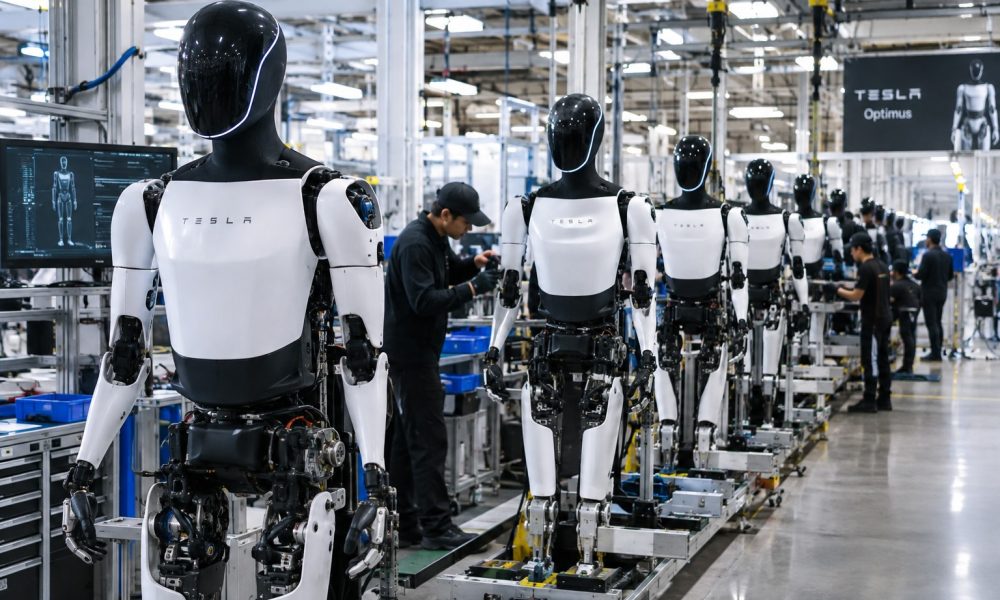
Context matters here. Tesla delivered roughly 1.8 million vehicles globally last year. BMW’s EV sales topped 400,000 worldwide. Cadillac’s 100,000 is cumulative, domestic, and spread across nearly four years. Nobody’s confusing this with market dominance.
But that’s not the game Cadillac is playing. The brand has always been a low-volume, high-margin operation within GM’s empire. The real question was never whether it could outsell Tesla — it was whether it could survive electrification without becoming irrelevant.
The conquest numbers suggest the answer is yes, for now.
Cadillac is also spending aggressively on brand visibility in ways that have nothing to do with dealer lots. The Cadillac Formula 1 team puts the crest in front of a global audience every race weekend. The Cadillac Championship golf tournament at Trump National Doral targets a very specific demographic with very specific bank accounts. These aren’t random sponsorships. They’re calculated bets on aspiration.
Aldred pointed to industry data showing EV buyers tend to stick with EVs for their next purchase. That loyalty loop is the entire thesis behind GM’s Ultium-platform investment. Get a buyer into a Lyriq today, and the theory goes, they’ll be back for a Vistiq or Escalade IQ tomorrow. Whether that loyalty attaches to the powertrain or the brand is the billion-dollar question GM hasn’t answered yet.
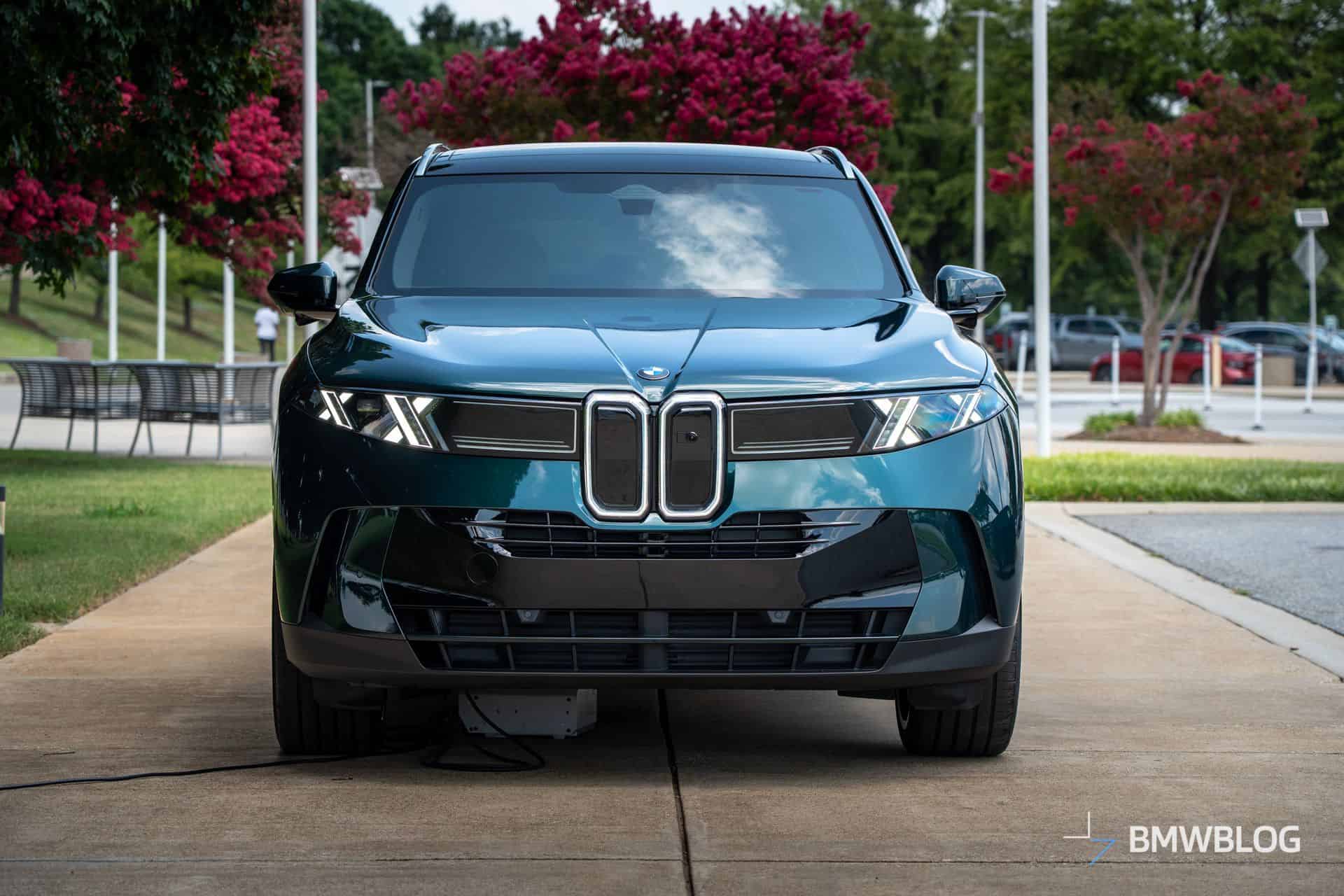
The road to the next 100,000 looks different than the first. Tariff uncertainty is squeezing the entire industry. EV incentive policy remains a moving target in Washington. And the Germans aren’t standing still — Mercedes, BMW, and Audi are all refreshing their electric lineups with models that directly compete with every vehicle in Cadillac’s portfolio.
Still, a brand that was widely written off five years ago just posted a six-figure EV milestone while stealing customers from the most entrenched names in luxury automotive. The press release language is predictably triumphant, but the underlying math is genuinely interesting.
Cadillac hasn’t won anything yet. But it’s no longer losing by default, and in Detroit, that qualifies as a resurrection.

Share this Story