


Gas hit record highs, the housing market cratered, and millions of Americans watched their salaries evaporate. The 2008 recession forced a brutal reckoning with what people actually needed from their cars. Now, with AI bubble anxiety, ballooning car payments, and fuel prices climbing again, drivers are looking back at those lean years for a playbook.
Jalopnik recently asked its readers a simple question: What was your 2008 recession ride? The answers read less like a car survey and more like an economic autopsy.
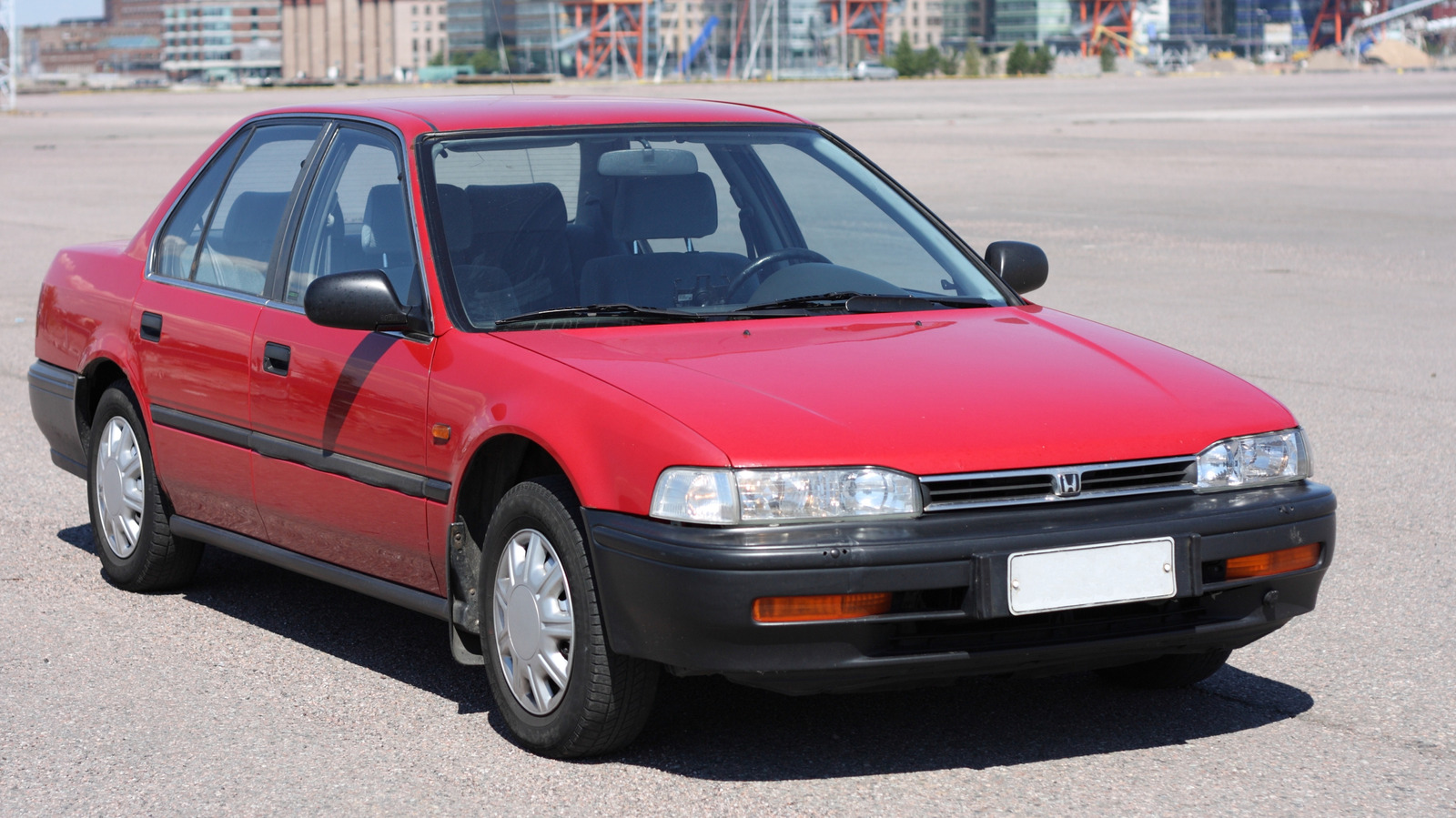
One reader named Shawn Johnson laid it bare. He went from an $80,000 salary and a modded 2007 Subaru WRX to $15 an hour part-time and a 1997 Honda Accord within months. The WRX got repossessed, his house was short-sold, and recovery took six years. He was 25.
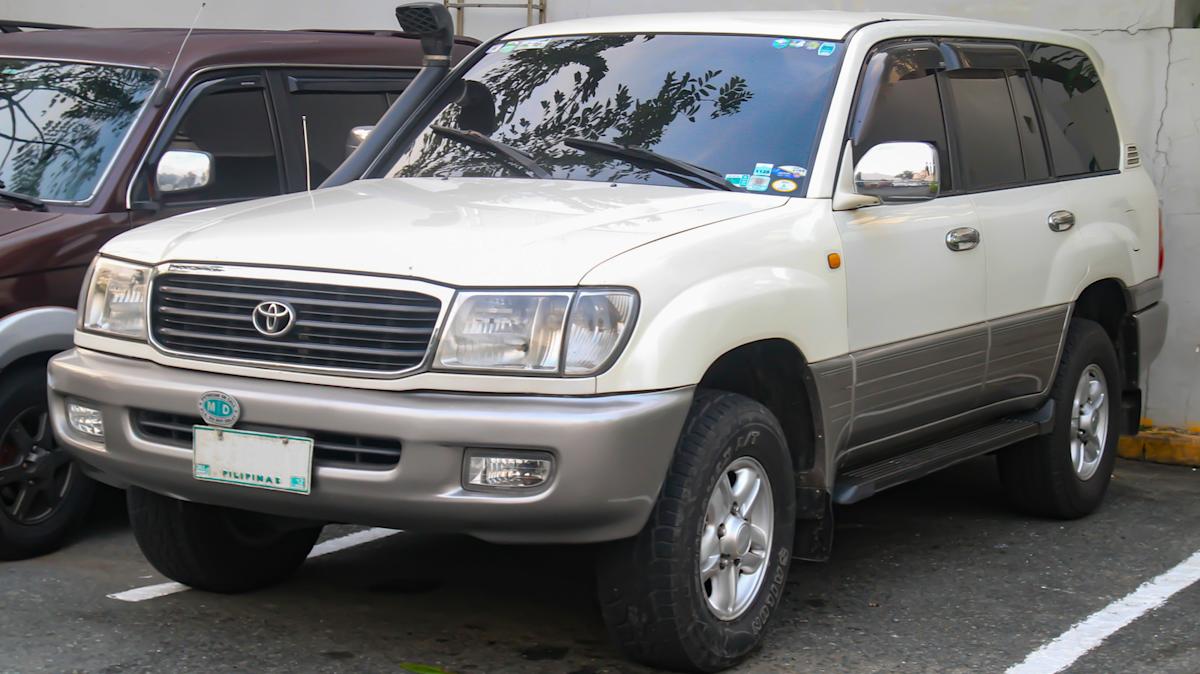
That story sits alongside someone who scooped up a loaded 2006 Ford F-250 diesel for $23,000 when its book value was around $50,000, because nobody wanted a thirsty truck when gas prices were punishing. He still owns it. Another reader bought a 2003 Toyota Land Cruiser with 75,000 miles for $17,500, and it now has 230,000 miles and is worth roughly what he paid. Those were the deals that only surface when panic floods the market.
The vehicles that survived the recession weren’t flashy. They were paid off, fuel-efficient, or both. A 2005 Acura TSX with a six-speed manual, a 2003 Ford Ranger bought for $5,500 with 40,000 miles, a 2004 Dodge Neon SRT-4 still being daily-driven at 258,000 miles. One reader’s primary transportation was a bicycle and a bus, with a 1979 Mercedes 240D parked as backup.
Cash for Clunkers made a cameo too. One reader traded a high-mileage 2001 Ford Explorer with a broken gas gauge for a 2009 Scion xB through the government program. It was a lifeline disguised as stimulus policy, and it killed a lot of interesting cars in the process, but that’s a grievance for another day.
The Mazda RX-8 story is the cautionary tale nobody asked for but everyone needs. A reader doing remote IT fieldwork was putting 1,000 miles a week on a rotary-engined sports car that topped out at 22 mpg highway. When gas prices spiked, his mileage reimbursement couldn’t keep up, and he was losing money driving to work.
There’s an uncomfortable echo between then and now. Average new car payments have crossed $730 a month, and the median transaction price for a new vehicle is north of $48,000. Interest rates remain punishing. The economic foundation, this time propped up by an AI sector burning cash faster than it generates revenue, looks disturbingly familiar to anyone who remembers what bundled subprime mortgages did to the global financial system.
The readers who fared best in 2008 shared a common trait: they owned simple, reliable, fuel-efficient vehicles outright, with no payment hanging over their heads. The ones who got crushed were leveraged into cars they couldn’t afford the moment their income shifted.
Nobody can predict whether 2026 will deliver the next great economic unraveling. But if it does, the winning formula hasn’t changed in nearly two decades. Buy less car than you can afford, pay it off, and keep it running. A boring Honda Accord with 150,000 miles on it beats a repossessed anything.


Share this Story