
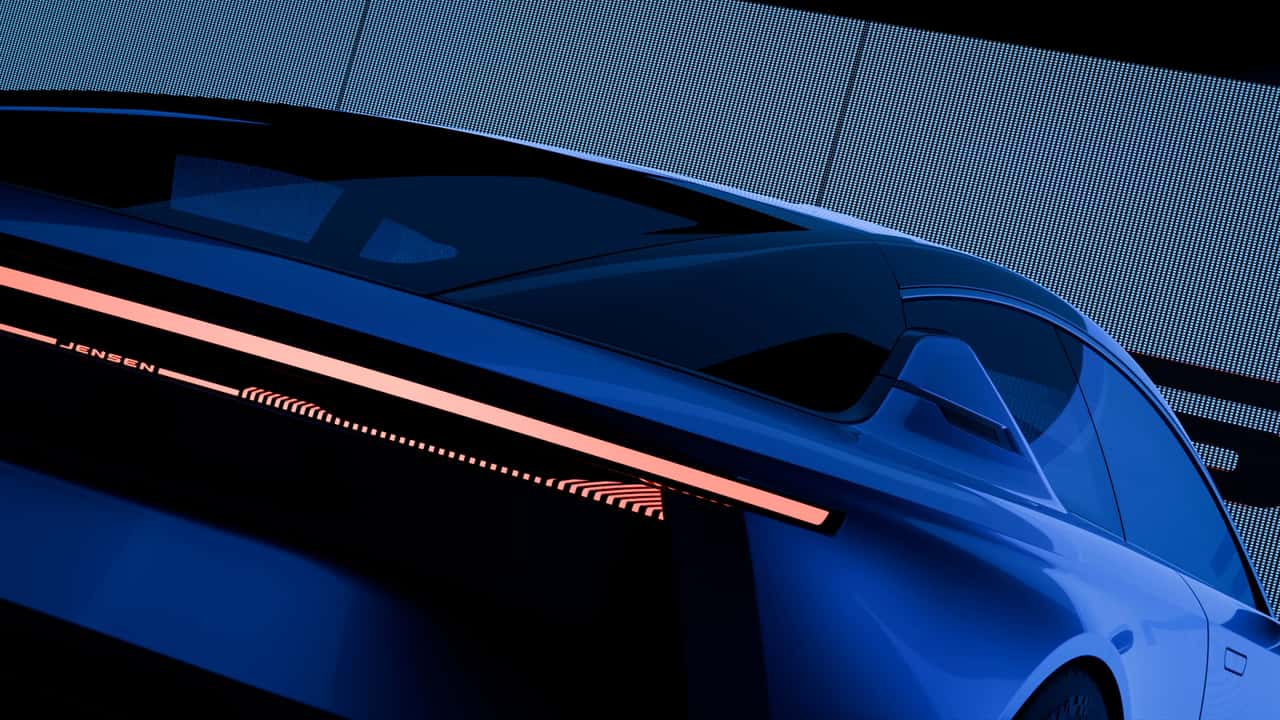


Sixty years after the original Interceptor turned Jensen into a name worth knowing, the brand is trying to conjure that magic again. Jensen International Group has officially christened its new performance car the Interceptor GTX, with a pre-production prototype promised before the end of June. It’s a bold name attached to a company that hasn’t built a new car in decades.
The details so far are deliberately scarce. An aluminum chassis. A hand-built aluminum body. A “bespoke V8” engine that Jensen refuses to elaborate on.
The target, according to the company, is Aston Martin — a rival that nearly went bankrupt itself before billionaire Lawrence Stroll dragged it back from the edge with hundreds of millions of dollars and a Formula 1 team. Jensen has no such war chest in plain view.
Managing Director David Duerden framed the GTX as a blend of “traditional craftsmanship and modern technology,” calling it an “ultra-high-performance special” that will “take Jensen into new territory.” The company insists this is not a continuation car, not some retro pastiche riding on nostalgia fumes. They want the GTX judged on its own terms.
That’s a tall order for a brand most buyers under 50 have never heard of. The original Interceptor, produced from 1966 to 1976, was a genuinely beautiful machine — a Vignale-designed GT with a Chrysler V8 that could cruise continents in style. It earned a cult following, but Jensen collapsed in the mid-seventies, and every subsequent revival attempt has stalled, sputtered, or simply vanished.
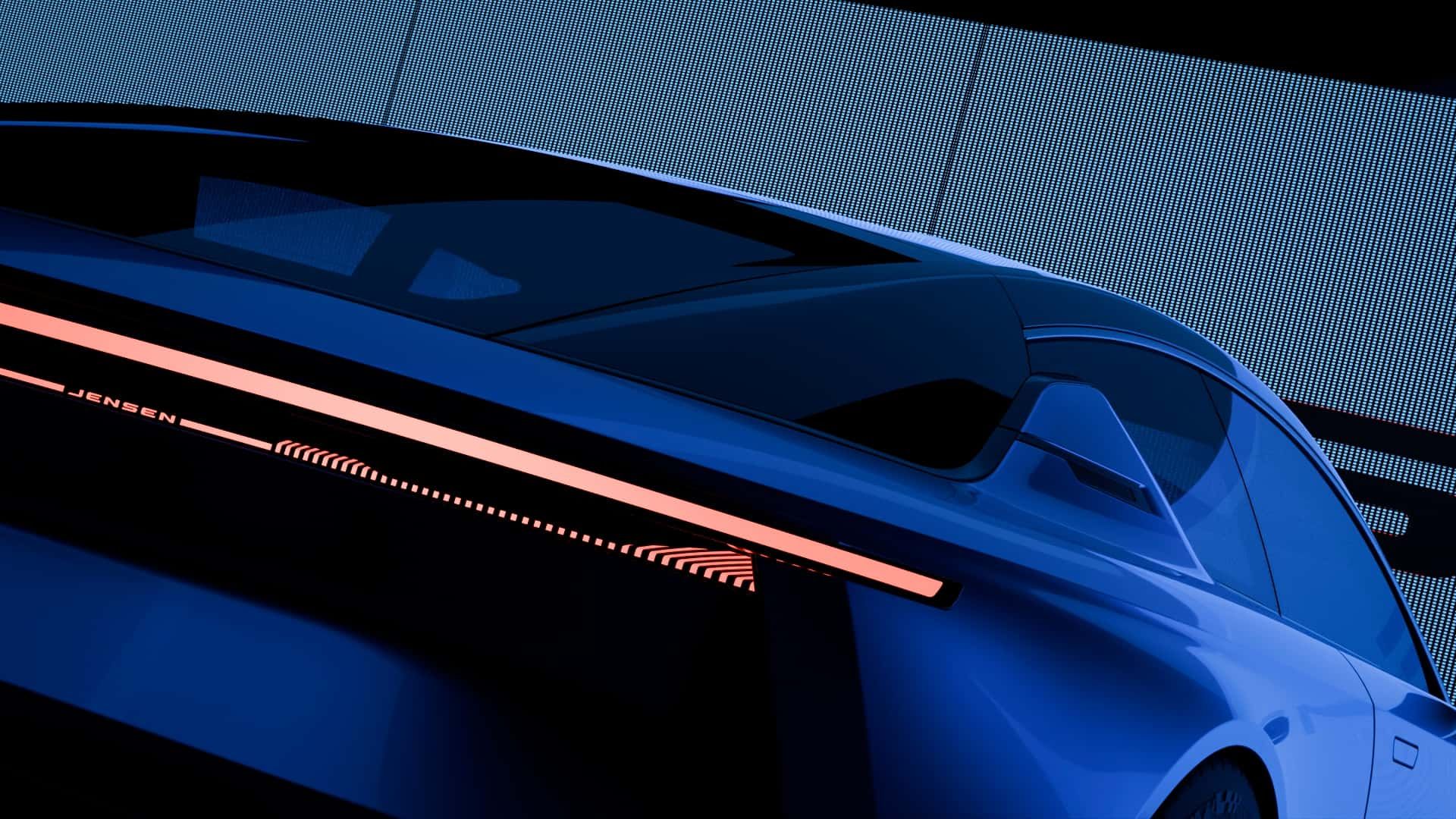
The ultra-luxury GT segment Jensen wants to crack is small and ruthless. Aston Martin, Bentley, and Ferrari own it. Newcomers like Hispano Suiza and various coachbuilders have tried to elbow in with limited-run exotics, and the results have been mixed at best.
The customers who spend north of $200,000 on a grand tourer tend to be deeply brand-conscious. They want heritage, yes, but they also want a global dealer network, proven reliability, and the kind of social currency that comes from an established marque. Jensen has heritage. Everything else remains a question mark.
The company hasn’t disclosed pricing, production numbers, or where the cars will be built beyond confirming the hand-built ethos. There’s been no word on crash-test certification, emissions compliance for key markets, or the identity of the V8 supplier. Calling an engine “bespoke” without revealing who engineered it is the kind of vagueness that raises eyebrows in an industry where powertrain development costs alone can sink a startup.
Still, the timing isn’t entirely crazy. There is a slice of the market — wealthy, analog-obsessed, fed up with electrification mandates — that craves exactly what Jensen is selling: a hand-crafted, V8-powered GT with British pedigree and no battery pack. Morgan has quietly thrived in that niche, and so has David Brown Automotive, albeit at tiny volumes.
The difference is those companies actually deliver cars. Jensen hasn’t yet. A name and a promise are easy; a running, certified, customer-ready grand tourer that can genuinely challenge Aston Martin is something else entirely.
The prototype reveal in Q2 will be the first real test. If Jensen shows up with a finished car that drives, looks right, and sounds like the V8 brochure copy suggests, the comeback story gets interesting. If it’s a static display and another round of renderings, the skeptics will have earned their doubt.
Jensen has been almost-back for years. The Interceptor GTX is the company’s bet that this time, almost becomes actual.
Share this Story