
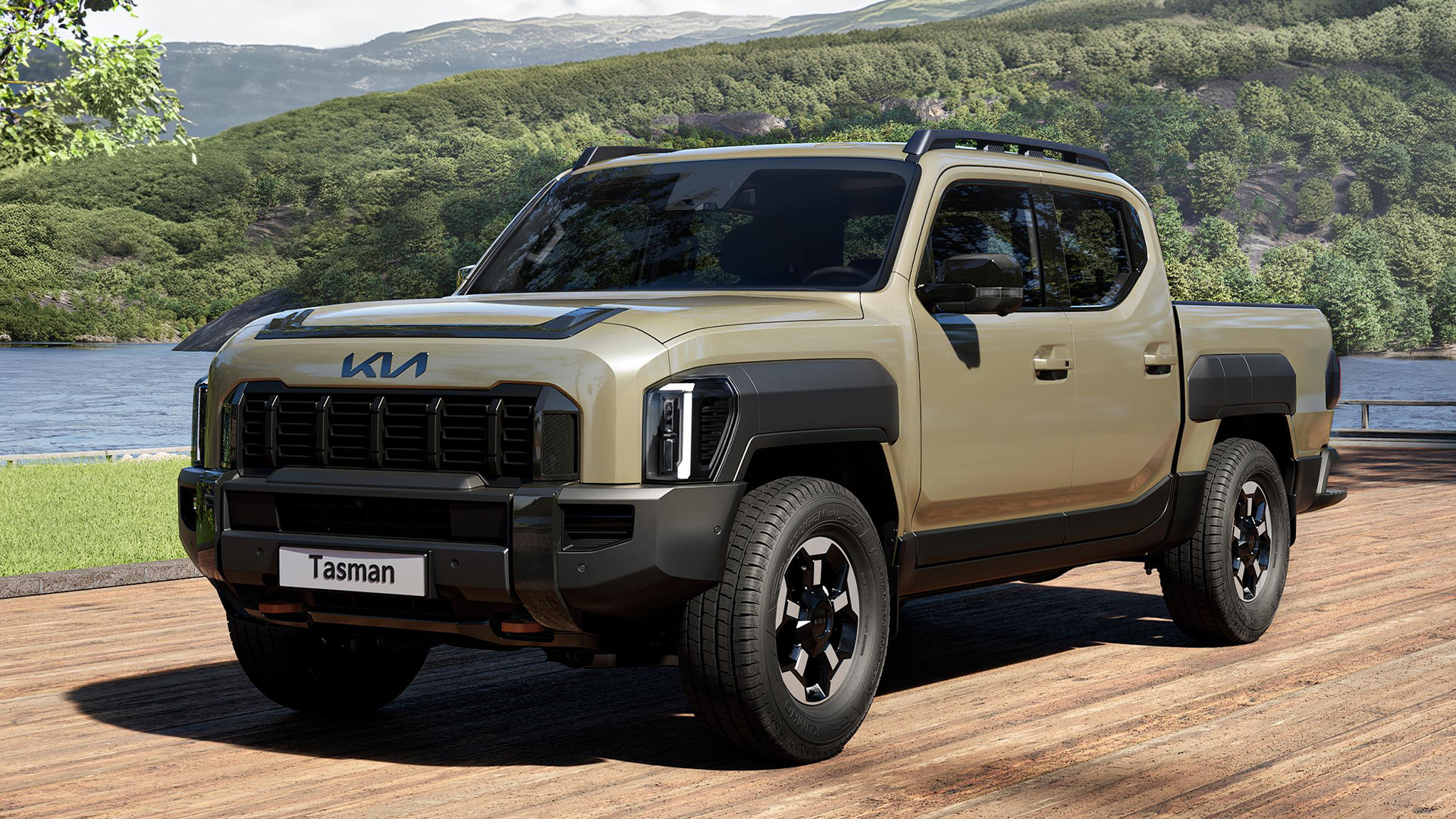


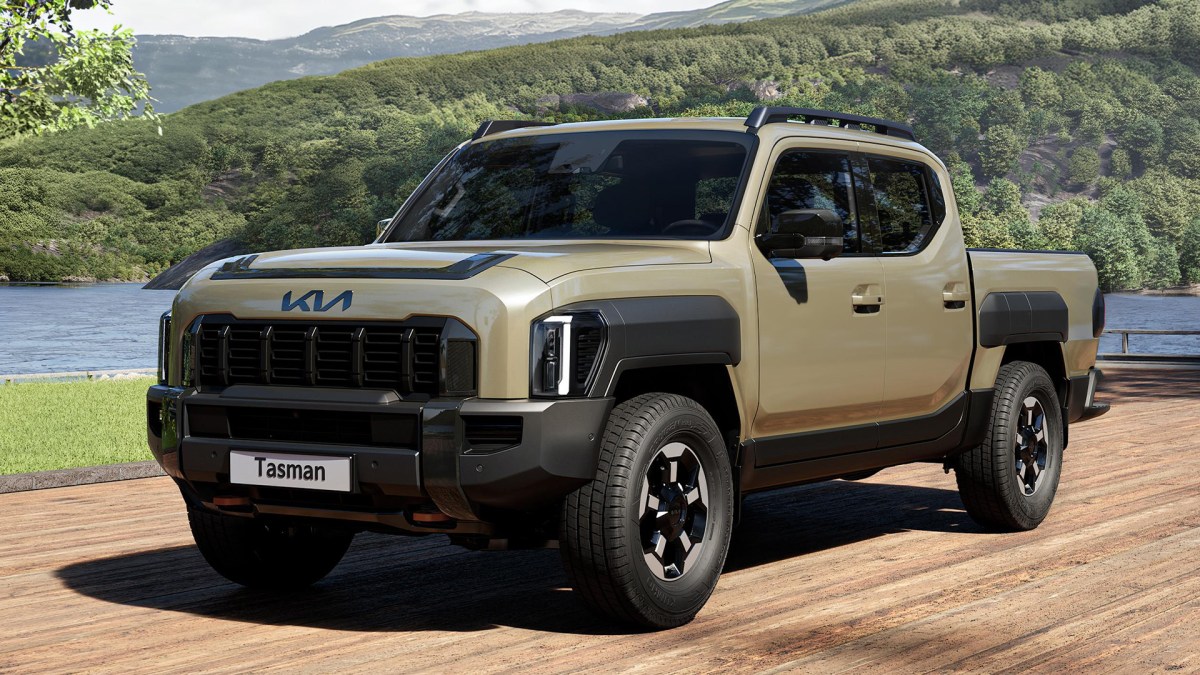
Kia just told investors it will put a body-on-frame pickup truck on North American roads by 2030, complete with hybrid and range-extended powertrain options. The announcement, made at the Korean automaker’s annual investor day, landed the same week a fresh production forecast pushed the Scout Terra pickup back to March 2030. Two trucks, same target date, very different levels of confidence behind them.
Kia’s truck matters beyond its own badge because the platform is almost certainly shared with Hyundai’s long-anticipated midsize pickup. That means the powertrain mix Kia revealed likely telegraphs what Hyundai will offer as well. Two brands, one architecture, and a clear bet that electrified trucks with some form of combustion backup are where the market is heading.
The Scout situation is harder to spin as progress. Volkswagen’s revived off-road brand was supposed to represent a bold American reentry, a clean-sheet truck and SUV built in South Carolina and aimed squarely at the Jeep and Toyota crowd. The Traveler SUV is now forecast for September 2028 production, with the Terra truck trailing it by roughly 18 months.
For a brand that generated real buzz at its 2024 reveal, the timeline is starting to stretch into dangerous territory. Consumer excitement cools and dealer networks lose patience before a single unit ships.
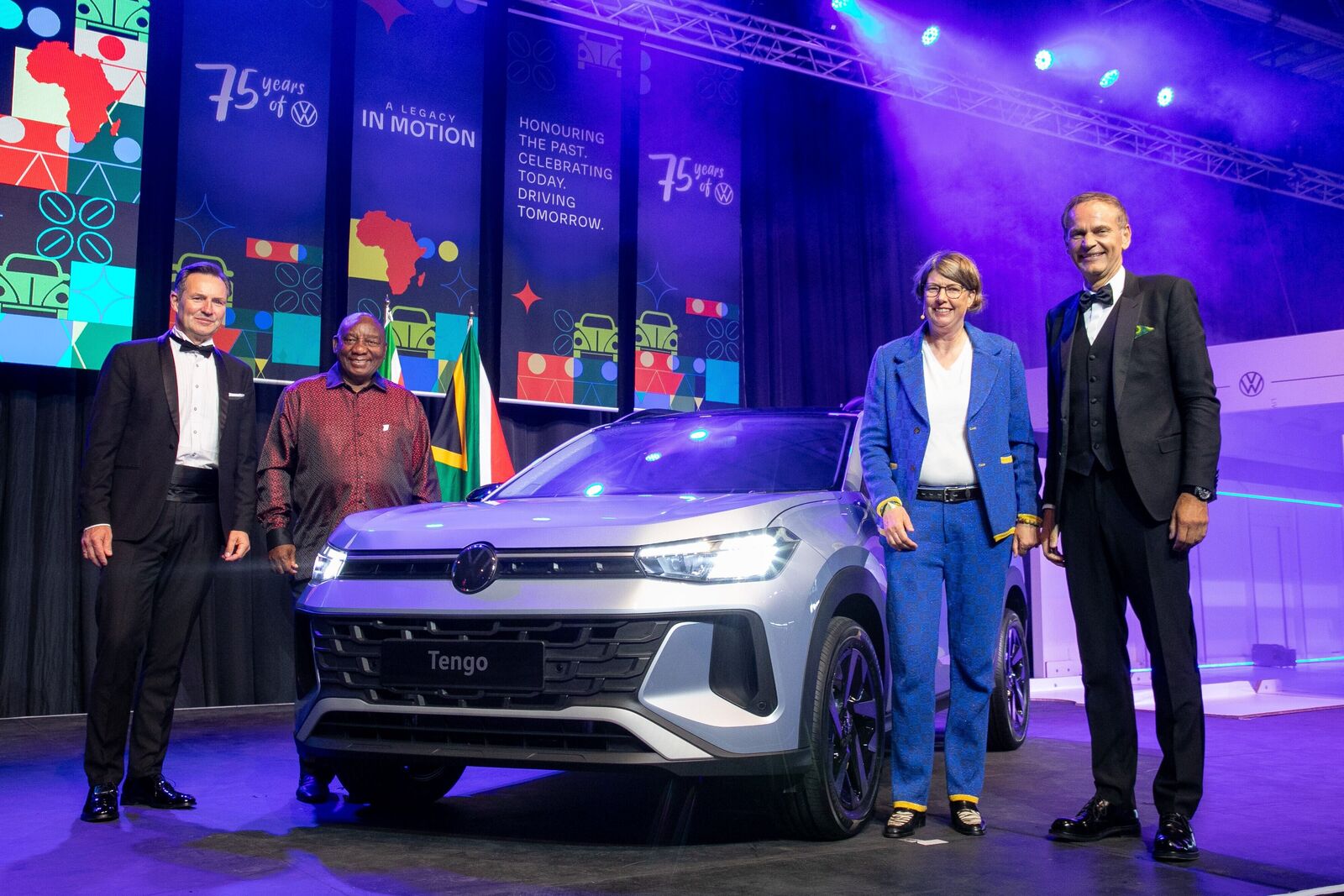
Meanwhile, VW is keeping itself busy elsewhere. The ID. Buzz robotaxi is now operating on the streets of Los Angeles, a move that grabs headlines but serves a fundamentally different customer than the one waiting for a Scout Terra. Volkswagen also made a point of saying it won’t abandon sedans or hot hatches anytime soon, which reads like reassurance aimed at enthusiasts but also an acknowledgment that its EV transition hasn’t gone as smoothly as planned.
The contrast between Kia’s truck announcement and Scout’s repeated delays tells you something about execution speed in this industry. Hyundai Motor Group has a platform, a timeline, and two brands ready to sell off it. Scout has renderings, a factory under construction, and a production date that keeps sliding to the right.
That’s not to say Kia’s 2030 date is locked in stone. Five years is an eternity in this business, and plenty can change with tariffs, battery costs, and consumer appetites. But Kia has a track record of hitting launch windows.
The Telluride arrived on time and immediately became a profit machine. The EV9 hit dealers when promised. There’s institutional muscle behind these commitments.
Scout, by contrast, is a startup wearing a legacy nameplate. It has no dealer network, no production history, and no existing customer base generating service revenue while the factory ramps up. Every month of delay compounds that disadvantage.
Add Tesla reportedly developing a smaller, cheaper EV to the mix, and the pressure on every new entrant only intensifies. The window for launching an expensive electric truck into a price-sensitive market is not getting wider.
Polestar apparently sees the writing on the wall already, offering discounts of up to $21,000 on the Polestar 3 to lure Tesla owners. That’s not marketing. That’s triage.
The truck wars are coming, but not everyone marching toward 2030 is moving at the same speed. Kia is building. Scout is still planning. And in this industry, the gap between those two words has swallowed entire brands.
Share this Story