
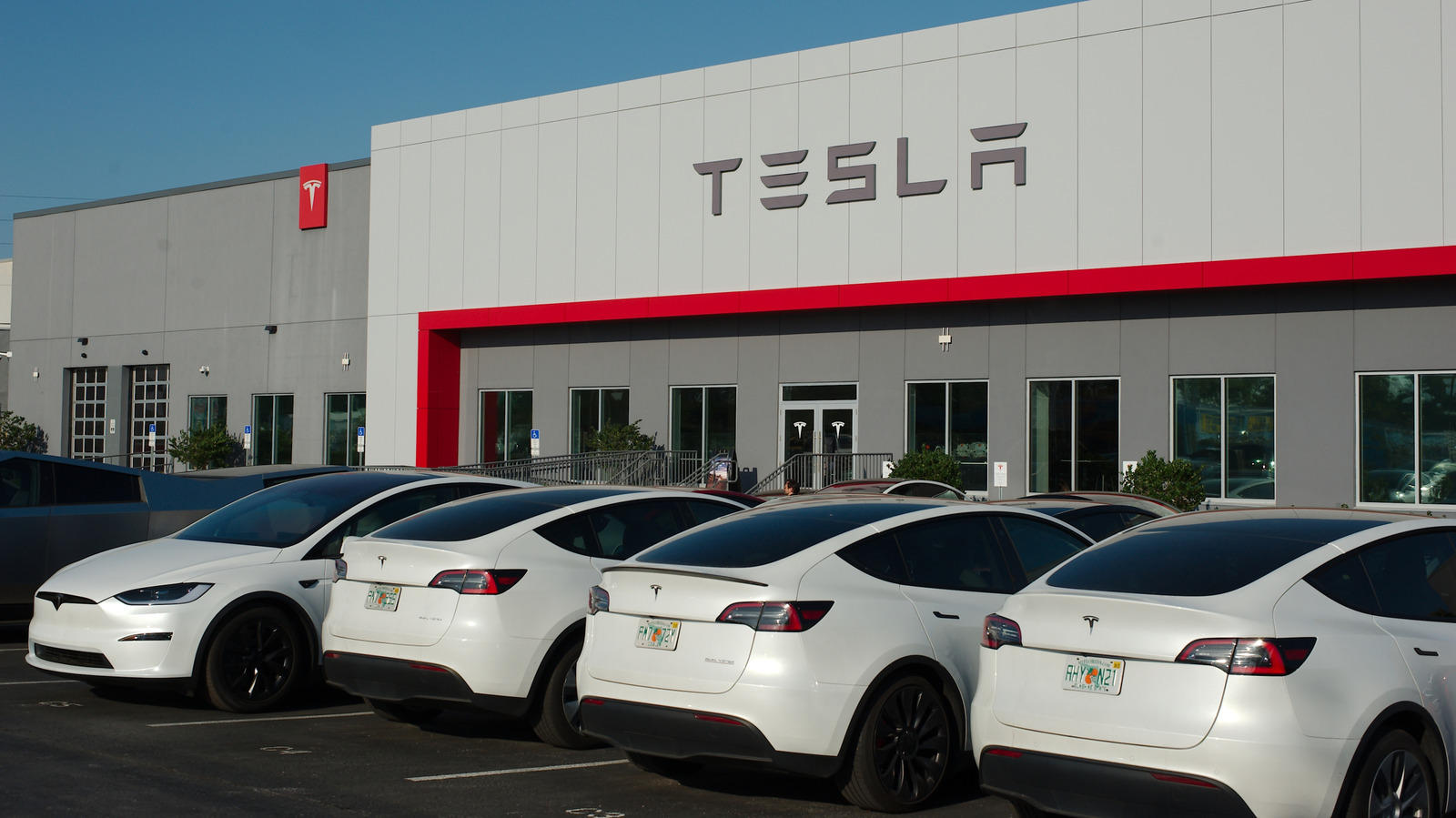


Three-year-old electric vehicles are retaining roughly 40 percent of their original value. In 2022, that number was 90 percent. The distance between those two figures is where an $8 billion crater lives, and the automakers who wrote those leases are about to fall into it.
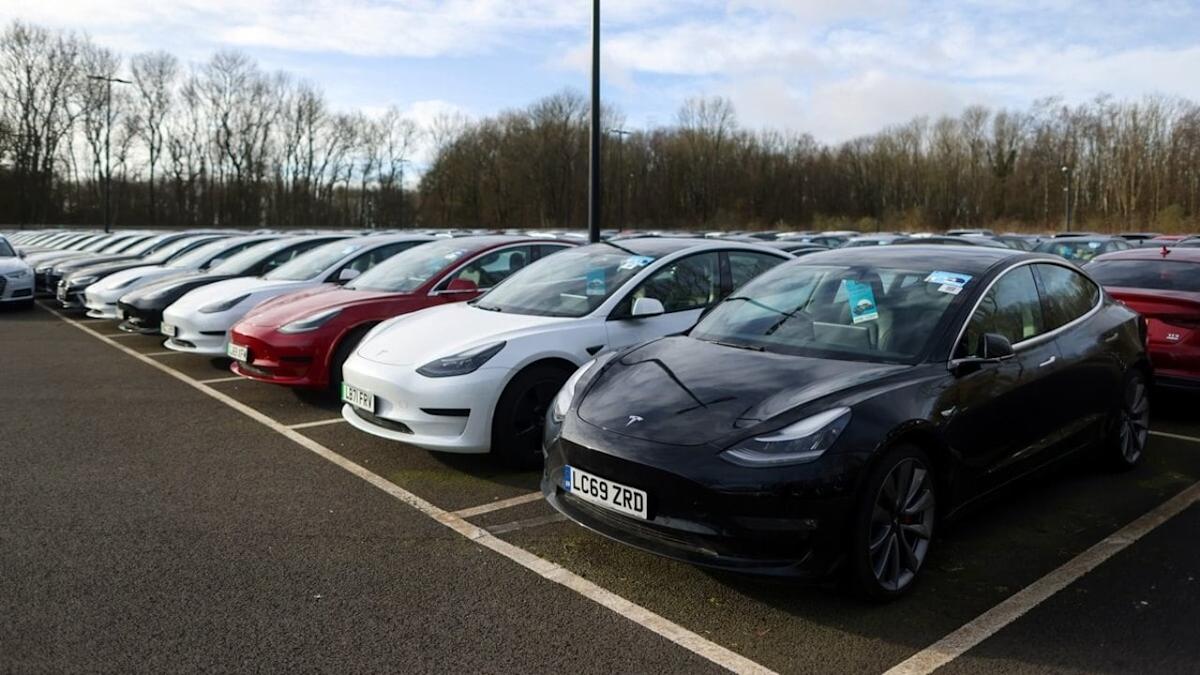
Nearly 800,000 off-lease EVs will flood the used market by 2028, according to Experian data reported by Automotive News. Right now, about 7.7 percent of lease returns hitting lots are electric. By year’s end, that figure climbs to almost 15 percent.
The finance arms at Tesla, General Motors, Hyundai-Kia, Volkswagen Group, and Ford collectively miscalculated residual values by an average of $10,000 per vehicle. Their depreciation models, set during the post-pandemic EV gold rush, never priced in the evaporation of federal tax credits, the collapse of carbon penalties, or the broader chill that settled over EV sentiment after the political landscape shifted.
Tesla leased more EVs than anyone in 2025, roughly 229,000 units. General Motors added 102,000 and Hyundai-Kia contributed 78,000. If the $10,000-per-car loss holds, Tesla alone could be staring at a $2.3 billion write-down when those leases mature.
Given that Teslas are already among the fastest-depreciating vehicles on the market, the real number could be worse.
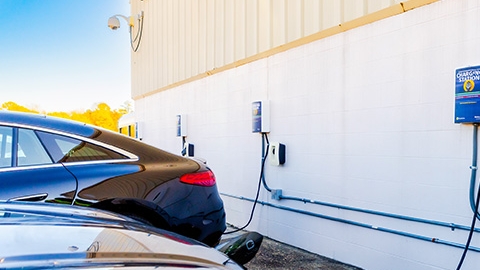
The mechanics of this problem are straightforward. Lease pricing depends on the gap between what a customer pays monthly and what the car is worth when it comes back. Automakers structured deals around generous residual assumptions, partly because federal EV incentives could be folded directly into lease terms.
That produced absurdly cheap monthly payments, remember the $19 Nissan Leaf lease, and moved a lot of metal. The bill is now due.
Wholesale auction houses in Southern California are already running at roughly 50 percent EV inventory on daily sales. That kind of saturation kills pricing. Automakers and their finance partners are quietly looking at shipping lease returns to growth markets like Texas, Georgia, and Florida, where used EV demand is still building and a few extra thousand dollars per unit can be recovered.
Chase Auto is piloting a program to sell off-lease EVs directly to consumers, potentially through a second-life leasing arrangement that bypasses traditional dealer auctions entirely. It is an admission that the old playbook, return, auction, wholesale, done, cannot absorb this volume without catastrophic margin loss.
There is one wildcard that could soften the blow. Gasoline prices have nearly doubled over the past year, driven by instability in the Middle East, and there is no relief on the horizon. Cox Automotive projects 2026 new-vehicle sales will dip 2.6 percent, and automakers have begun passing along an estimated $3,800 per vehicle in tariff-related costs through higher sticker prices and reduced incentives.
As new cars get more expensive and gas gets more painful, a $15,000 used EV starts looking less like a consolation prize and more like the smartest buy on the lot. That demand shift could narrow the gap between what automakers expected and what they actually recover. But “could” is doing a lot of heavy lifting in that sentence.
The leases are binding. The cars are coming back. Some automakers have reportedly begun spreading projected losses across quarterly earnings to avoid a single devastating hit, but accounting tricks do not change the underlying math.
The industry bet big on EV residual values during a moment of peak optimism, and the world changed underneath those bets. Buyers who sat on the sidelines may finally get the affordable EVs they were promised. The irony is that those bargains exist precisely because the companies selling them got the math spectacularly wrong.


Share this Story