
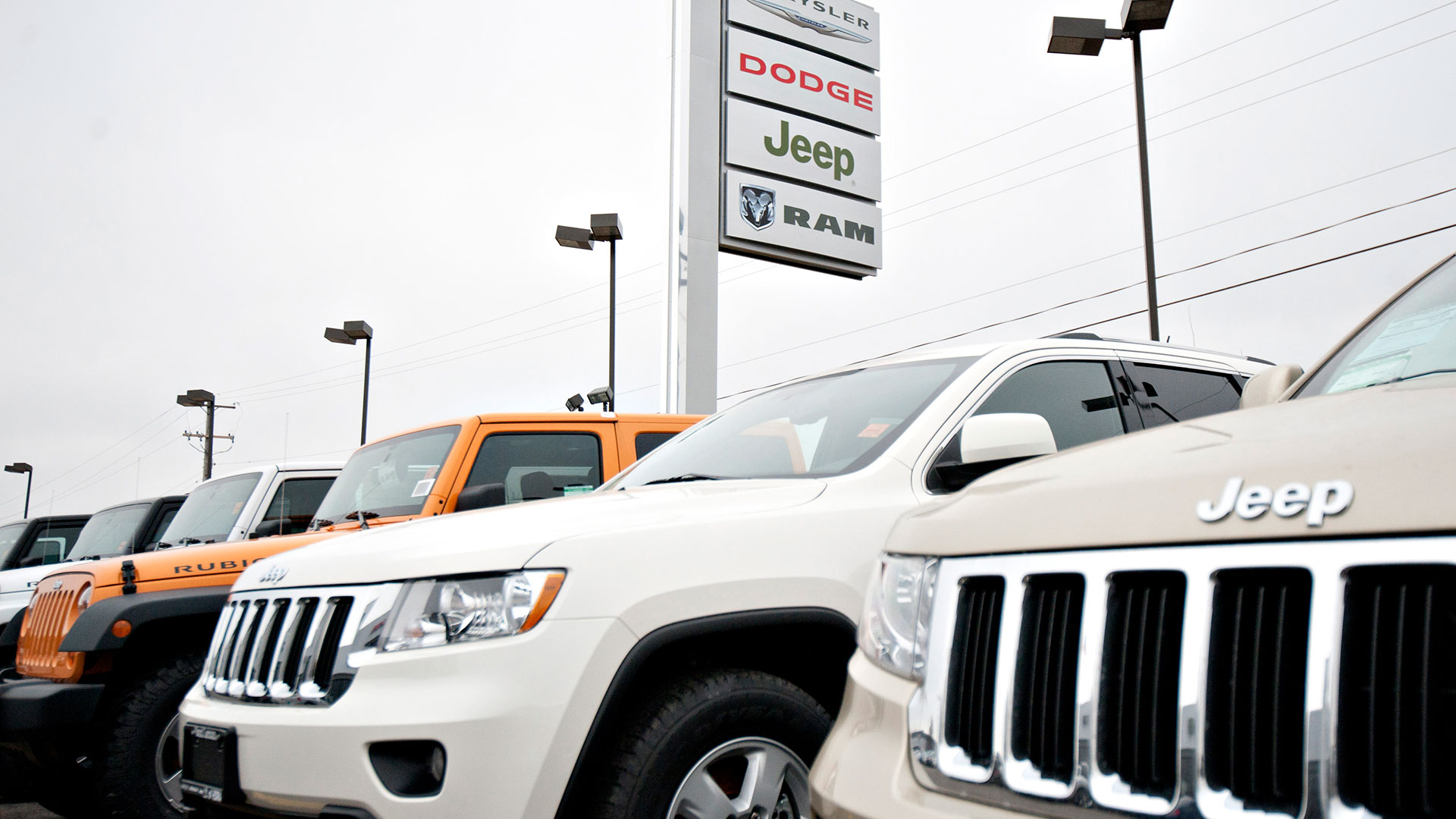


Nearly five grand. That’s what the franchised dealership model is costing you on every new car purchase, according to a study from the International Center for Law & Economics. On an average $50,000 transaction, the nonprofit pegs the markup at between $3,934 and $4,992 — money baked into the price not because of what the car is worth, but because of how it gets sold.
ICLE calls it a “middleman tax,” and the math behind it is unflattering for the dealer lobby.
Carrying costs from maintaining inventory that customers didn’t ask for account for $1,045 to $1,105, fueled by floorplan interest rates running 6% to 9%. Another $1,600 goes toward moving that metal off the lot — vehicles built to a manufacturer’s production schedule, not actual buyer demand. Facility overhead and staffing tack on $1,200 to $1,900 more in costs the study deems entirely avoidable.
None of this is new territory. The ICLE study builds on a Goldman Sachs analysis from 2000 and subsequent U.S. Justice Department findings that reached similar conclusions. A quarter century of evidence, and the franchise laws haven’t budged.
Those laws were written in an era when independent dealers needed protection from the manufacturers who supplied them. The power imbalance was real. A factory could flood a market, undercut its own dealer, and walk away.
State legislatures stepped in. The intention was reasonable. The result, decades later, is a protected class of middlemen who’ve turned consumer-protection statutes into a moat around their business model.
“Protecting an incumbent distribution channel is not the same as protecting consumers,” the study states. That single line carries more weight than the rest of the report combined.
Tesla proved over a decade ago that cars could be sold without a franchise network. Rivian, Lucid, and others followed. Their argument was clean: as new market entrants with no existing dealer relationships, franchise obligations simply didn’t apply to them.
Now Volkswagen Group’s Scout brand is stress-testing that logic from the inside. Scout plans to sell directly to customers, but unlike Tesla, it sits under the VW umbrella — a company with deep franchise ties through its other brands. Dealers with VW, Audi, and Porsche franchises have already filed legal challenges, arguing Scout can’t cherry-pick the direct model while its parent company benefits from their showroom floors.
That fight will define the next chapter. If Scout wins, every legacy automaker with a new sub-brand or EV spinoff has a template to bypass the dealer network. If dealers win, the franchise fortress holds, and consumers keep paying the toll.
The dealer lobby will counter that franchised stores provide jobs, local tax revenue, service infrastructure, and accountability that a website can’t match. Some of that is true. But the study’s core finding is hard to argue with: the current system forces consumers to absorb thousands in costs that exist solely to sustain a distribution model mandated by law, not chosen by the market.
At $50,000 average transaction prices and interest rates that make monthly payments sting, nearly $5,000 in structural waste isn’t a rounding error. It’s a second dealer markup hiding in plain sight — except this one is legal, universal, and almost impossible to negotiate away.
The cars haven’t changed. The customers haven’t changed. Only the question has sharpened: who are franchise laws actually protecting?

Share this Story