
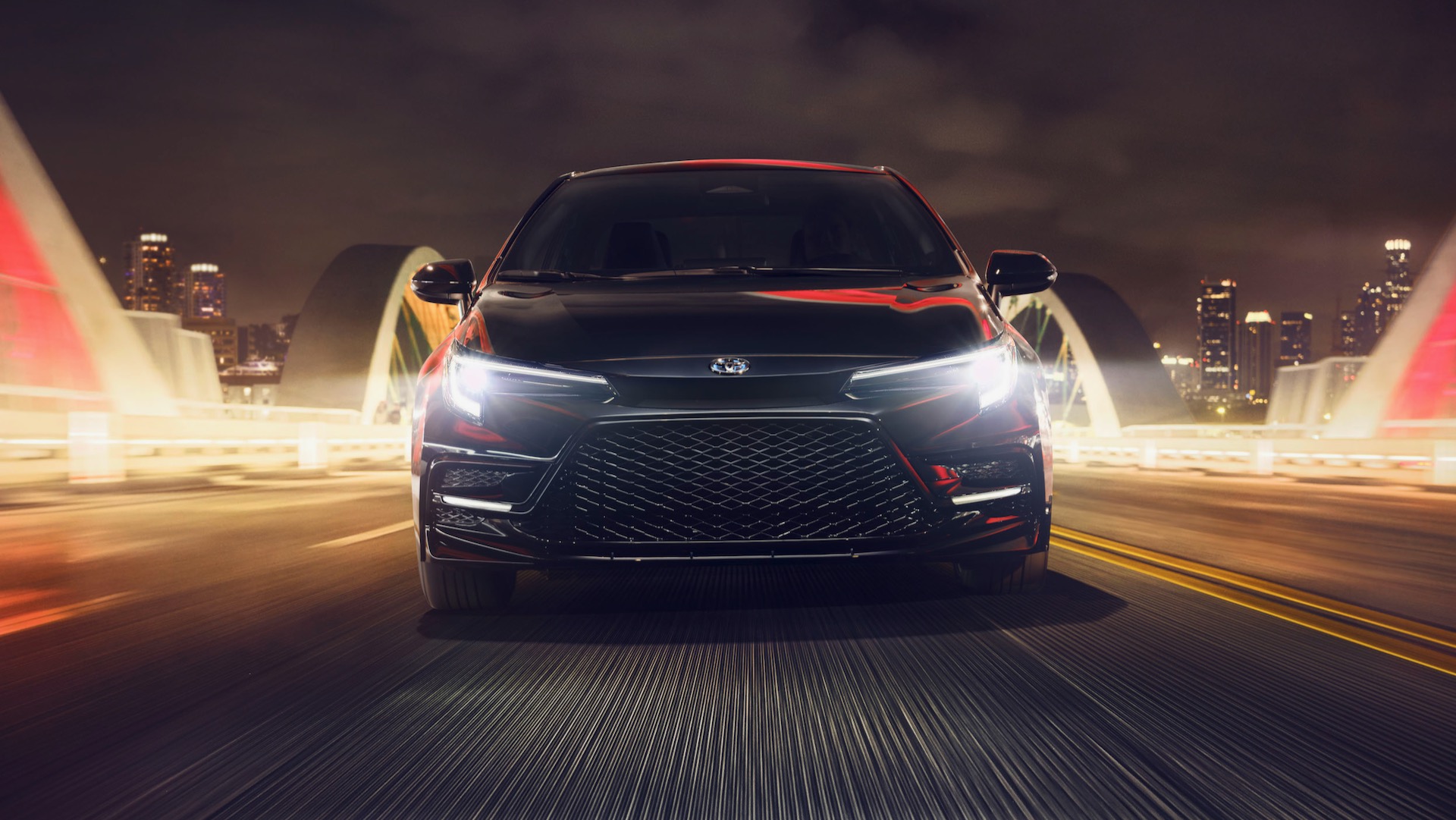


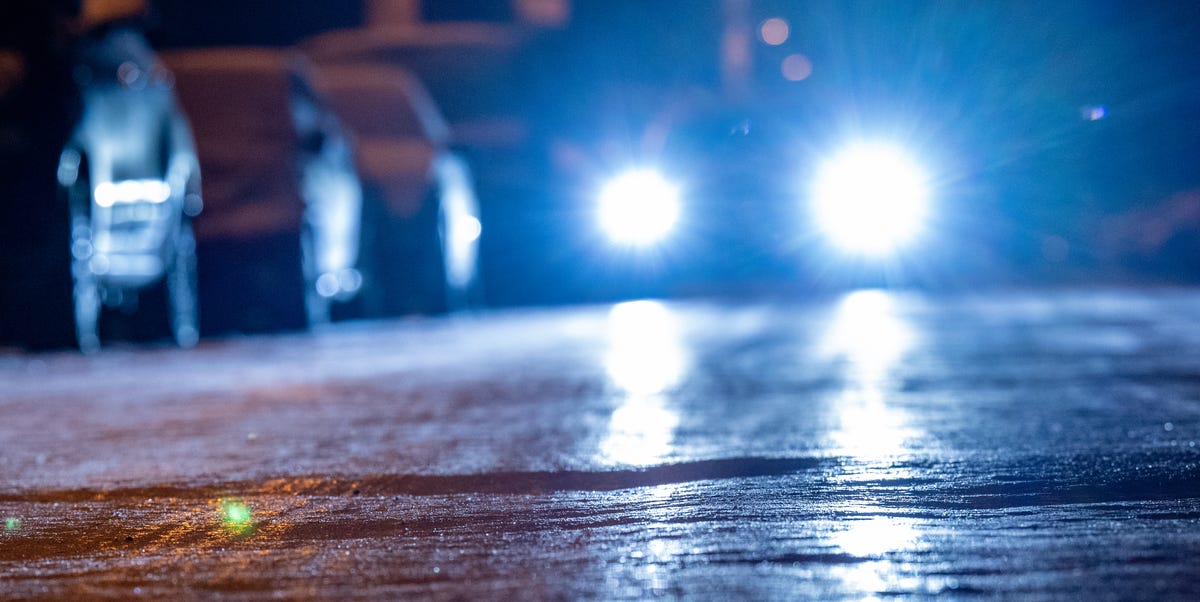
Six out of 10 American drivers say headlight glare is a serious problem, according to a new AAA survey. Nearly three-quarters believe it’s gotten worse over the past decade. Nobody who has driven after dark in the last five years needs a survey to confirm this, but now it’s official.
The numbers come from 1,092 interviews conducted in February 2026 with a probability-based panel designed to represent the U.S. driving population. Ninety-two percent of those who reported glare issues pointed to oncoming traffic as the primary offender. Another 36 percent cited rearview and side mirrors, meaning the problem isn’t just coming at you, it’s following you home.
The proliferation of LED headlights, both factory and aftermarket, is the obvious culprit. Paired with the nation’s insatiable appetite for ever-taller trucks and SUVs, you get a recipe for retinal assault. Pickup drivers, perched above the fray, were the least likely to report glare at just 41 percent, compared to 66 percent of everyone else.
Women reported more glare issues than men, 70 percent to 57 percent. Drivers who wear prescription glasses also clocked in at 70 percent versus 56 percent for those who don’t. Age and individual height, surprisingly, made no statistical difference.
Here’s where it gets interesting. The Insurance Institute for Highway Safety says glare-related crashes haven’t actually increased. A 2025 IIHS study found the frequency of nighttime glare crashes has held steady for nearly a decade.
Brighter headlights, IIHS argues, have actually reduced accidents overall by improving forward visibility and helping automatic emergency braking systems spot pedestrians sooner. “Although it can certainly be uncomfortable, headlight glare contributes to far fewer crashes than insufficient visibility,” said IIHS president David Harkey. So the lights that are blinding you are also saving lives, and that’s the tension nobody wants to sit with.
IIHS has been grading headlights since 2016. In its first round of testing, exactly one vehicle out of 80 earned a “Good” rating, the 2016 Toyota Prius V. By 2025, 51 percent of new vehicles scored “Good,” but 16 percent still rated marginal to poor, meaning roughly one in six new cars rolling off lots with headlights that either blind oncoming drivers or fail to illuminate the road adequately.
The real failure sits in Washington. The 2021 Infrastructure Act directed NHTSA to update headlight standards. Four years later, not much has happened.
Europe already permits true adaptive driving-beam headlights, systems like Audi’s Digital Matrix LEDs that sculpt light around oncoming traffic in real time. American regulations, written decades before LEDs existed, still effectively ban them. Rivian is the lone exception, having engineered its adaptive system specifically for the U.S. market and nowhere else.
Meanwhile, the aftermarket remains a free-for-all. Companies sell blinding LED replacement bulbs with zero regard for beam pattern or aim. Swapping halogen bulbs for LEDs is technically illegal, but enforcement is nonexistent.
AAA’s official advice? Don’t look directly at oncoming headlights, keep your windshield clean, and stick with factory bulbs. It’s the automotive equivalent of telling someone standing in the rain to try not getting wet.
The deeper problem is regulatory paralysis. The technology to solve this exists right now, sitting in European-spec vehicles that could be sold here tomorrow if the rules allowed it. Automakers have the engineering, drivers have the frustration, and NHTSA has the mandate, but what’s missing is the will to act on any of it.
Until that changes, 60 percent of American drivers will keep white-knuckling their way through every nighttime commute, squinting past walls of light that regulations are simultaneously too outdated to permit fixing and too lax to properly control.
Share this Story