
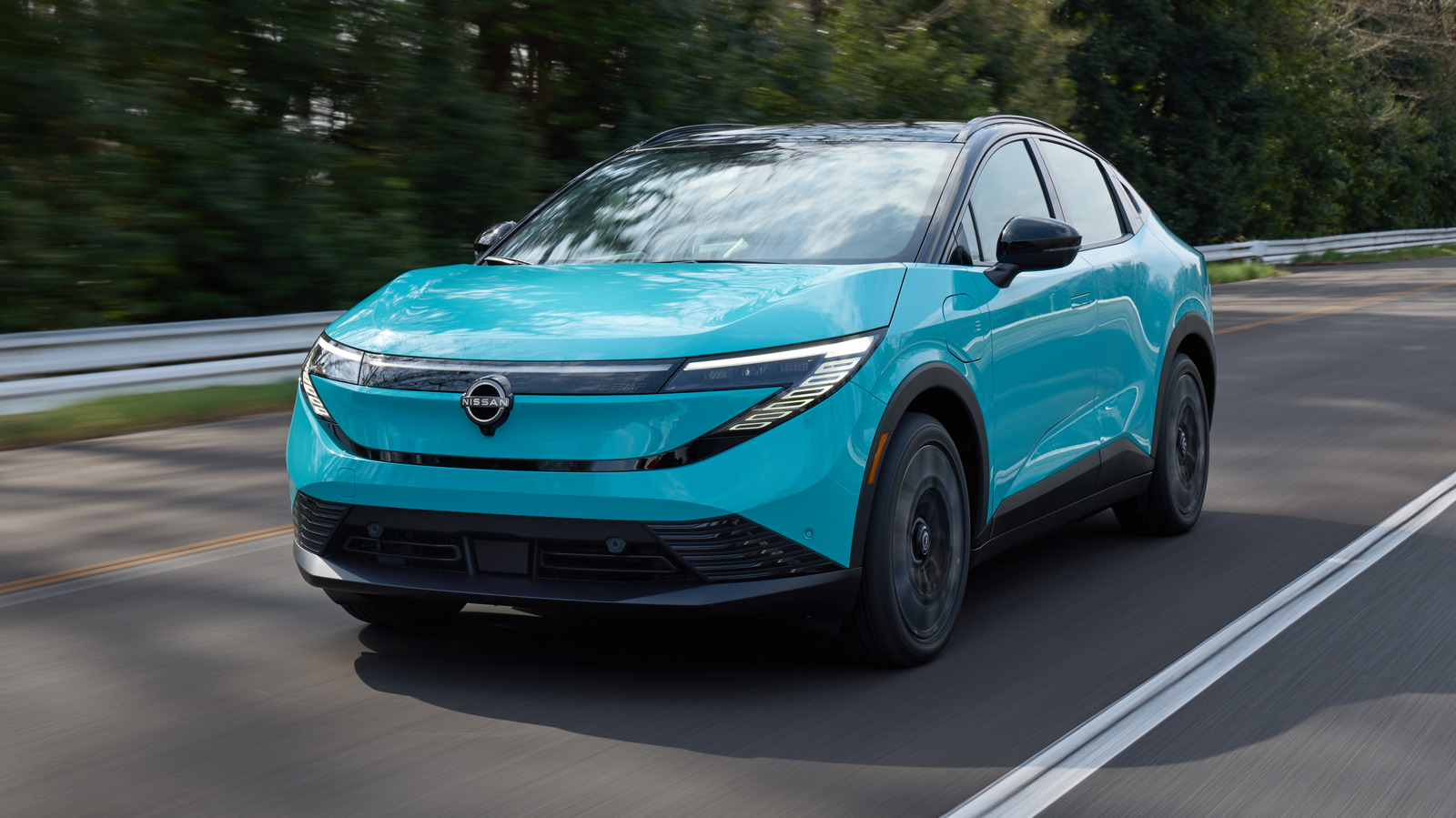


A 2026 Nissan Leaf sitting outside a dealership in Osaka, Japan, caught fire on February 19. It wasn’t plugged in. It wasn’t turned on. It just burned.
Two weeks later, on March 2, a second Leaf did the same thing outside a U.S. dealer. That’s two spontaneous fires from a population of just 51 cars — a failure rate that should make anyone pay attention, even if the total number sounds small.
Nissan has now issued NHTSA recall 26V188, covering all 51 of those third-generation Leafs, built between July 17 and November 26, 2025. Every single one is considered affected. The company isn’t guessing which cars are at risk.
It traced each 78-kWh lithium-ion battery pack by ID directly to its corresponding VIN. One-to-one traceability. No ambiguity.
The root cause sits deep inside the battery cells themselves. During the supplier’s manufacturing process, the edges of cathode material were damaged. When a torn cathode gets folded into a cell, that crumpled edge can double over on itself and create an internal short circuit.
One shorted cell becomes a thermal runaway. Thermal runaway becomes a fire. And EV battery fires, once they cascade, are notoriously stubborn to extinguish.
Nissan’s response has been textbook-fast, and that matters given the company’s precarious financial position. After the first fire in Japan, engineers pulled telematics data from the charred Leaf and found electrical signatures outside normal spec in one battery module — anomalies that preceded the blaze. They immediately began scanning data from other vehicles looking for the same fingerprint.
When the second fire hit stateside, Nissan shipped the wreckage to its Field Quality Center, isolated the battery pack, and sent it to the supplier. By March 10, the supplier had identified the cathode damage, understood the mechanism, and changed its production process. That’s 19 days from first fire to manufacturing fix — in recall timelines, that’s practically instantaneous.
Dealer notifications went out March 27. Owner letters are expected April 17. Until a replacement battery module or entire pack is available, Nissan is telling owners not to charge the car and to park it outdoors, away from any structure. Dealers will hand over a loaner vehicle to anyone who brings their Leaf in.
No reimbursement program exists because every recalled unit is still under warranty. All repairs will be free.
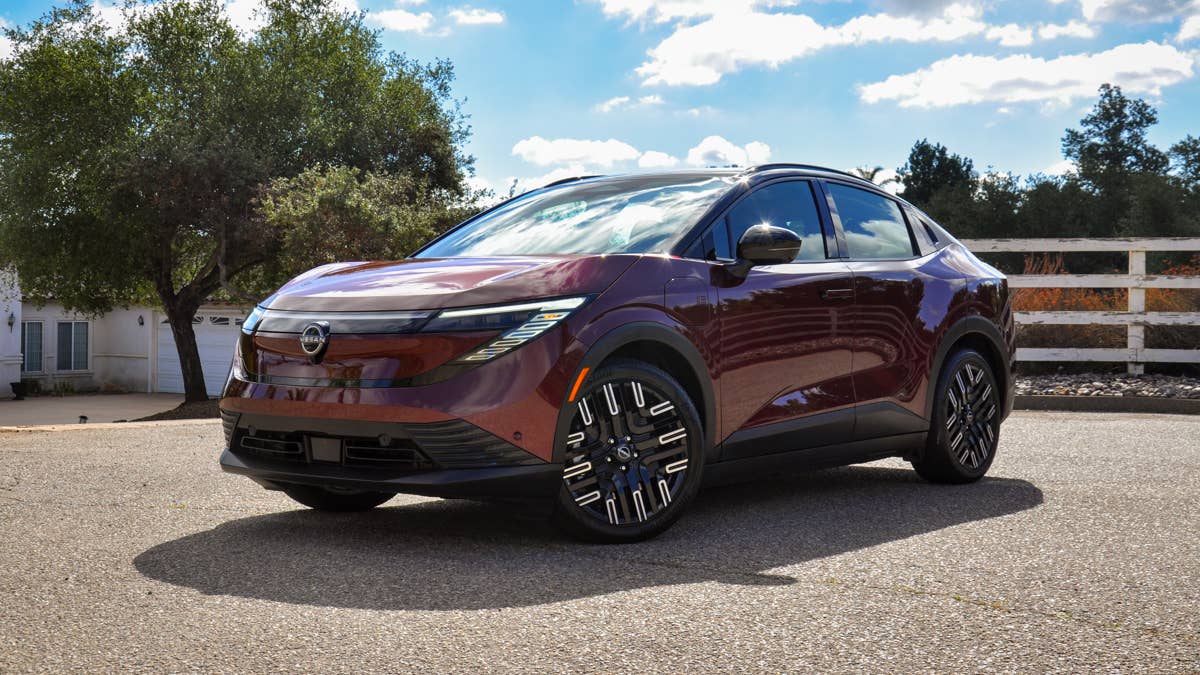
The Leaf is Nissan’s affordable EV play, starting at $29,990 before destination — meaningfully cheaper than the Hyundai Kona Electric or Toyota bZ. It’s a car aimed squarely at buyers for whom price is the deciding factor. A spontaneous combustion recall on a $30,000 car, even one limited to 51 units, lands differently than it would on a six-figure luxury EV.
Nissan was careful to emphasize this is a supplier manufacturing defect, not a design flaw. That distinction is technically accurate. The battery architecture isn’t the problem; sloppy cell production is. But the customer parked next to a burning Leaf doesn’t care about that distinction, and neither does the insurance company.
Two fires out of 51 cars, both while parked and unplugged, with zero injuries. Nissan found the defect, traced every affected vehicle, and moved to fix the supplier’s process in under three weeks. The recall is tiny and the execution is sharp, but a car that can ignite itself while sitting in a parking lot is the kind of headline that echoes far longer than 51 units would suggest — especially for an automaker that can’t afford another stumble.
Share this Story