
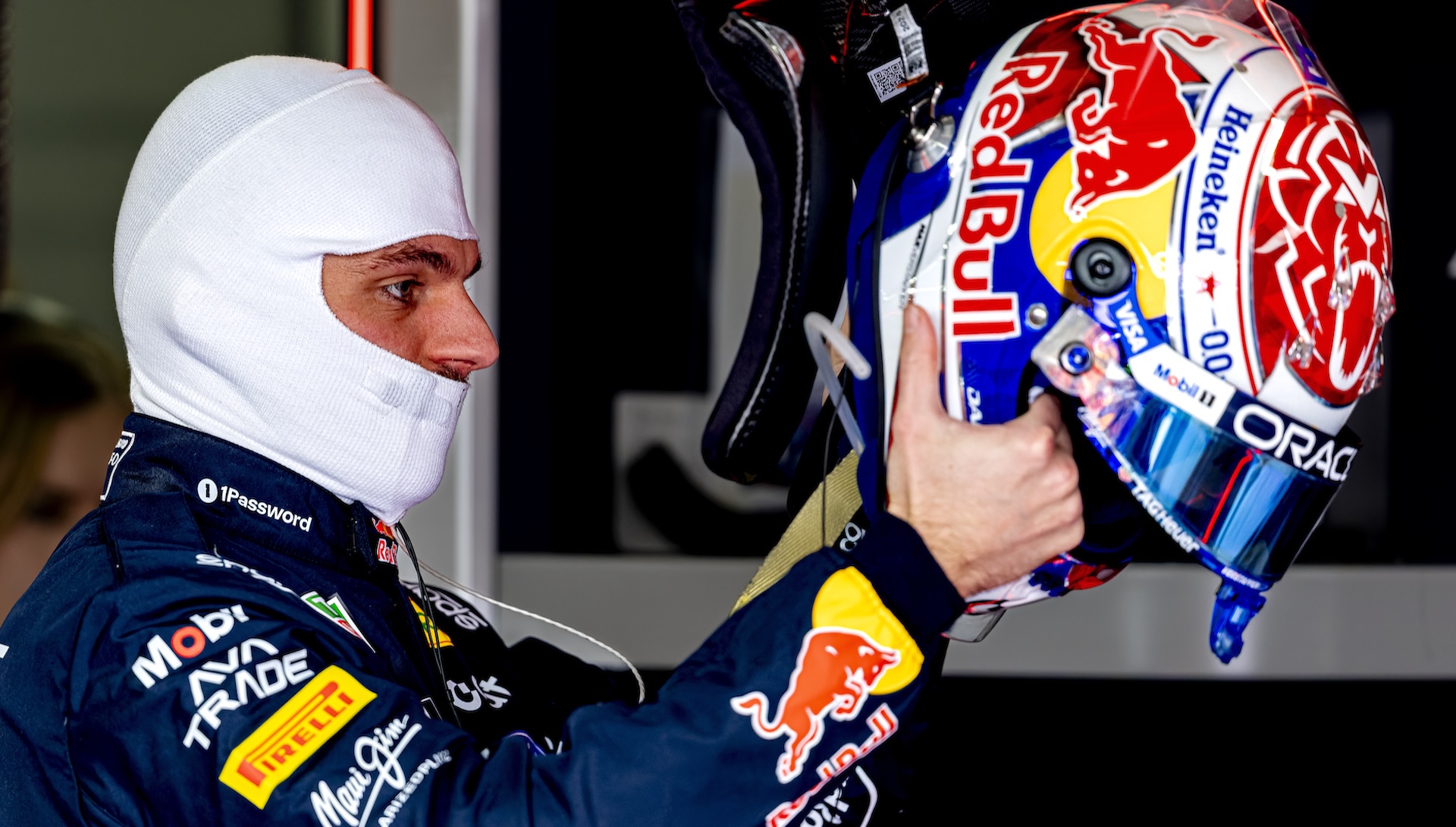


Max Verstappen finished eighth at Suzuka on Sunday, 30 seconds behind race winner Kimi Antonelli, then told the BBC he is thinking about walking away from Formula 1 at the end of this season. He’s 28 years old, a four-time world champion, and he wasn’t bluffing.
“That’s what I’m saying. I’m thinking about everything inside this paddock,” Verstappen said when asked directly if he meant leaving at season’s end.
The words landed like a grenade in the Suzuka media center, but anyone paying attention over the past year heard the fuse being lit. Verstappen told The Drive in 2024 he had “no interest in winning eight or nine world championships” and would rather race endurance cars. He’s already entered the 24-hour race at the Nürburgring in May. He became a father last year. The off-ramp has been under construction for a while.
What accelerated the timeline is the 2026 regulations. The overhauled cars place greater emphasis on electrical power and battery harvesting, creating what Verstappen and other drivers have called a “Mario Kart mushroom effect.” Verstappen called it “anti-driving.
“Once I sit in the car it’s not the most enjoyable unfortunately,” he said. “I keep telling myself every day to try and enjoy it. It’s just very hard.”
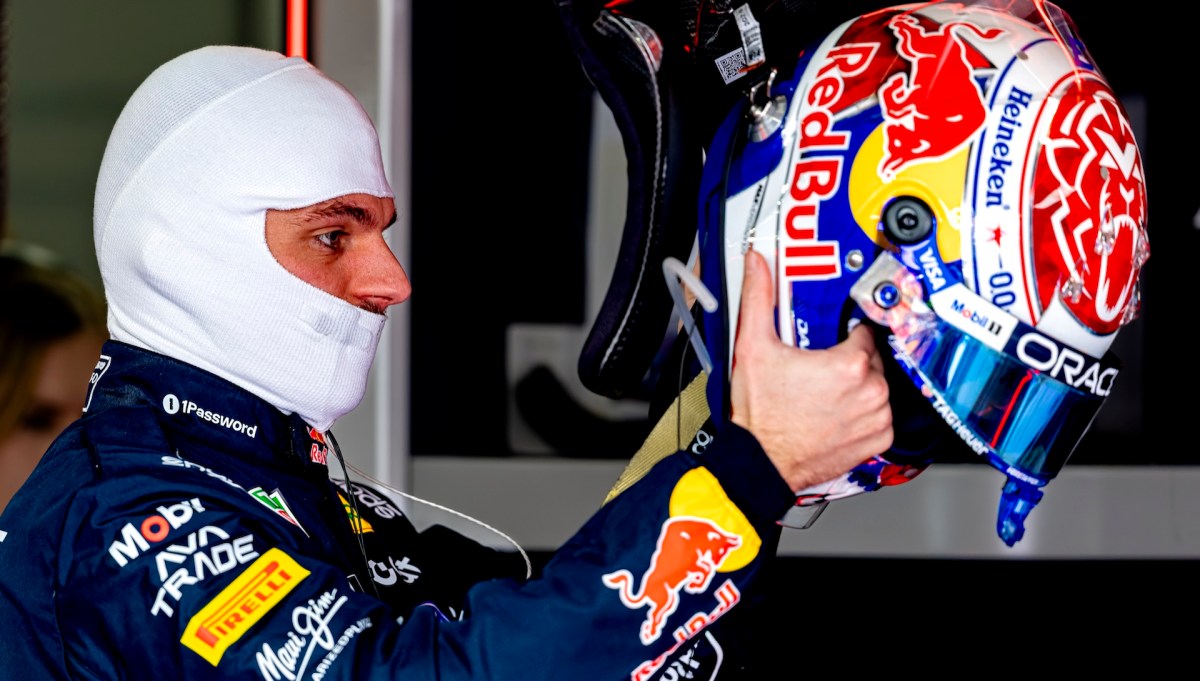
He hasn’t finished higher than sixth all season. He sits ninth in the championship, 60 points behind Antonelli and 51 behind George Russell. Mercedes has been dominant, and Red Bull has not.
Verstappen’s contract runs through 2028, but he reportedly holds an exit clause tied to his championship standing at a certain point this summer. Given the current gap, that clause looks very much in play.
The cynical read is that this is leverage — a calculated pressure campaign run by Verstappen and his management team, father Jos and Raymond Vermeulen, aimed at forcing F1, the FIA, and the teams to rewrite the 2026 engine rules. Verstappen knows his commercial value. He knows millions of fans follow him specifically, that their ticket purchases and TV eyeballs go where he goes.
F1 without Verstappen is a diminished product, and everyone in the paddock knows it. F1 bosses are already scheduled to meet in the coming weeks to discuss potential changes to the current engine regulations, responding to widespread driver criticism over the first three races. Verstappen’s comments will sharpen that conversation considerably.
But reducing this to a negotiating tactic misreads the man. Verstappen has never been motivated by records or legacy. He races because he loves racing.
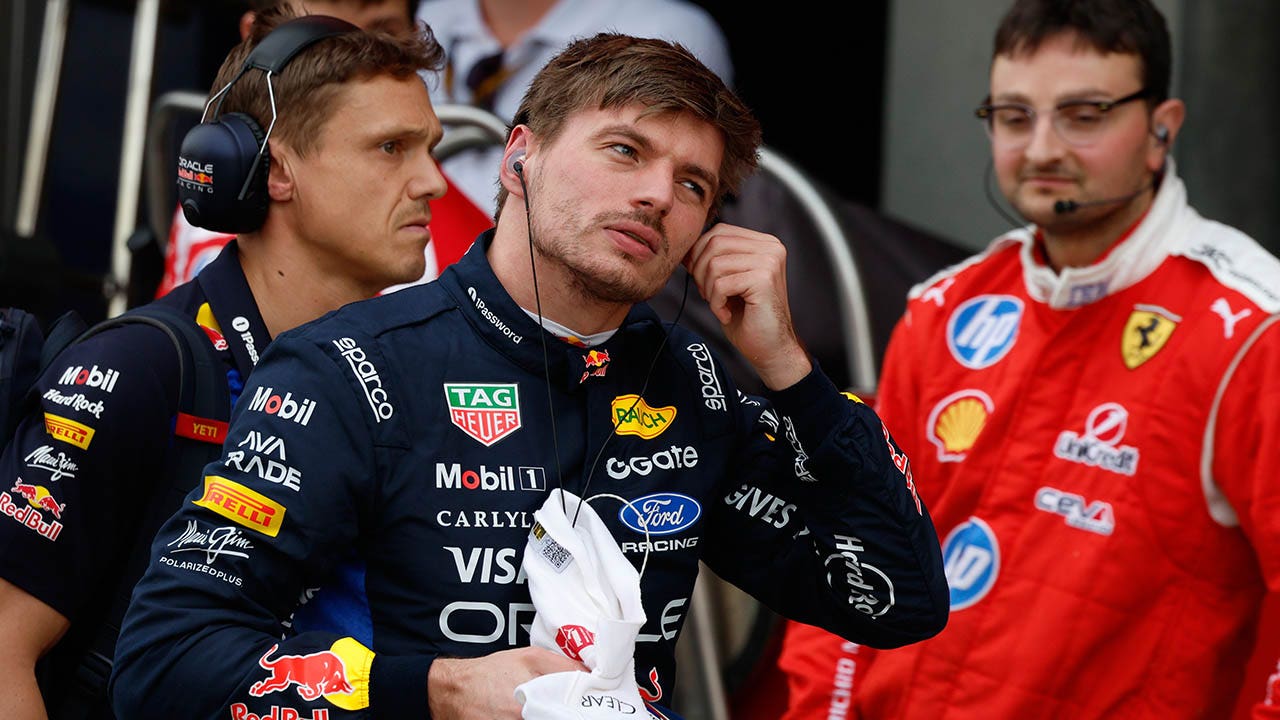
When the racing stops being fun — when the formula itself fights the driver — the transaction changes. He said it plainly: “You just think about is it worth it? Or do I enjoy being more at home with my family?”
The schedule itself offers an unusual pause. The Bahrain and Saudi Arabia rounds in April were canceled due to military operations in Iran. The next race isn’t until Miami on May 3.
That’s five weeks for Verstappen to sit with his thoughts, race a car he actually enjoys at the Nürburgring, and decide whether strapping into the Red Bull is still worth the trade-off.
“It’s not like if I would stop here that I’m not going to do anything,” he said. “I’m always going to have fun.”
He would not be the first prodigy to leave a sport early. Nico Rosberg walked away the day after winning his only championship. Verstappen already has four titles and 63 career wins.
He doesn’t need F1. The question now is whether F1 can change enough to keep him — or whether the sport’s biggest star drives off into endurance racing, happy, rich, and completely unbothered.
The clock is ticking, and Verstappen is the one holding the stopwatch.


Share this Story