


Sergio Pérez called it after finishing 16th at the Australian Grand Prix: “The honeymoon is over.” Three words that perfectly capture where the Cadillac Formula 1 Team stands after its first two races — simultaneously better than anyone expected and exactly as difficult as the veterans warned.
Rewind to January. The team was scrambling to assemble its first car, pulling the build schedule forward by a full week to squeeze in extra dyno testing. Thousands of parts had to arrive at an Italian facility earlier than planned, each one serialized down to the fasteners for traceability.
Engineers who had spent months staring at computer models were touching their components in carbon fiber and metal for the first time. “Every single racing car never goes together smoothly,” chief mechanic Nathan Divey said during the build. “They’re all prototypes, really. The tolerances you’re looking at are so fine, tenths of a millimeter, it can take such a small amount to create an issue.”
On January 16, Pérez turned the first laps at Silverstone. Two months later, both cars took the chequered flag at the Chinese Grand Prix, and Valtteri Bottas beat an Aston Martin in qualifying. For a team that didn’t even have access to F1’s open-source component designs until its entry was accepted in March 2025, that’s remarkable.
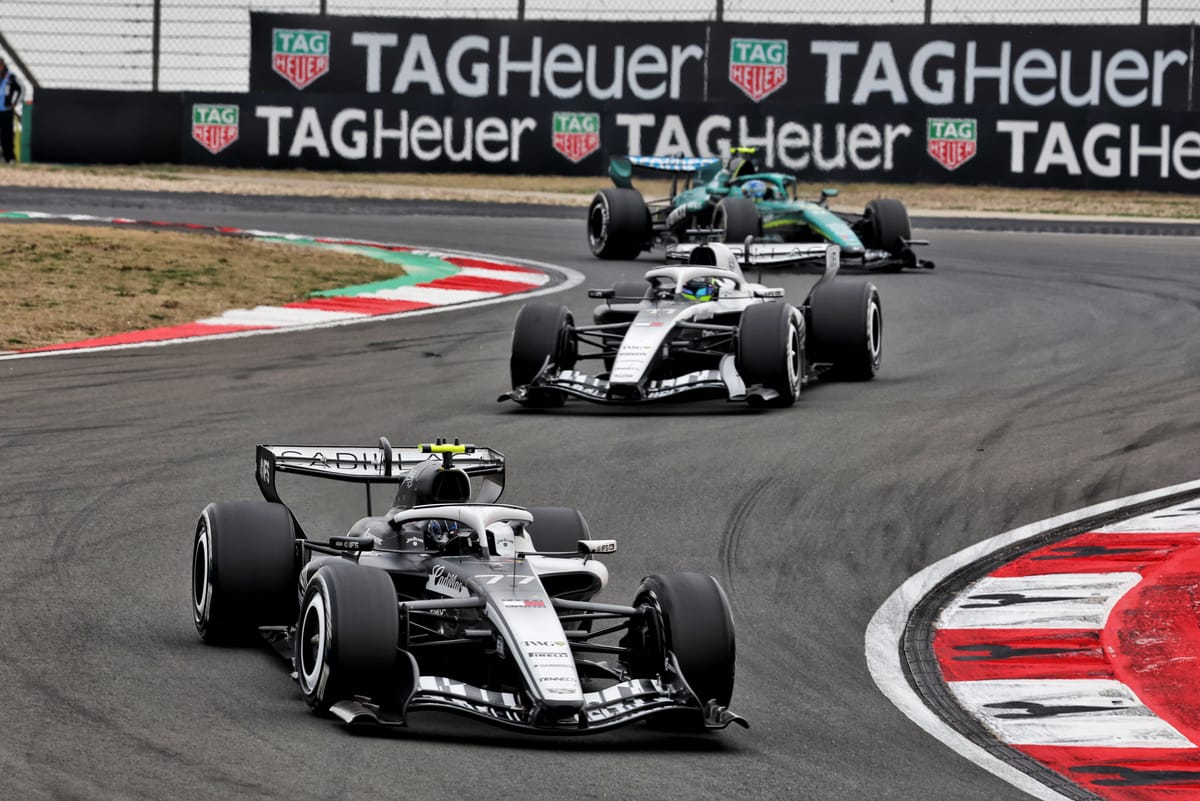
But the gap to the front is sobering. Cadillac was 5.2% off the pace in Australia, 4.7% in China. The low-pressure fuel system has been a recurring headache since Barcelona testing, manifesting in different ways at different circuits — baffles controlling fuel distribution in the tank, multiple low-pressure pumps that need constant fettling.
In Melbourne, Bottas suffered clutch trouble requiring a steering wheel change at his first pitstop, then retired with what’s believed to be a fuel system issue. These aren’t catastrophic failures. They’re the death-by-a-thousand-cuts problems that established teams solved organically over decades and now take for granted.
Cadillac is stress-testing everything at once, in public, under the F1 microscope that CEO Dan Towriss warned about during the car build. “We are growing up in public with a lot of scrutiny and a lot of expectation,” team principal Graeme Lowdon told The Race. “We carry a very well-known brand and so it is only natural to have that expectation. But everyone still has to grow.”
The team chose the hard road. Unlike Haas, which entered F1 by taking as many components as regulations allowed from Ferrari, Cadillac is building its own systems. That multiplies every challenge.
And while Ferrari supplies its power unit, the all-new 2026 regulations mean even works teams are struggling with software and deployment settings. The two-way customer relationship needs time to mature — time that the calendar doesn’t generously provide.
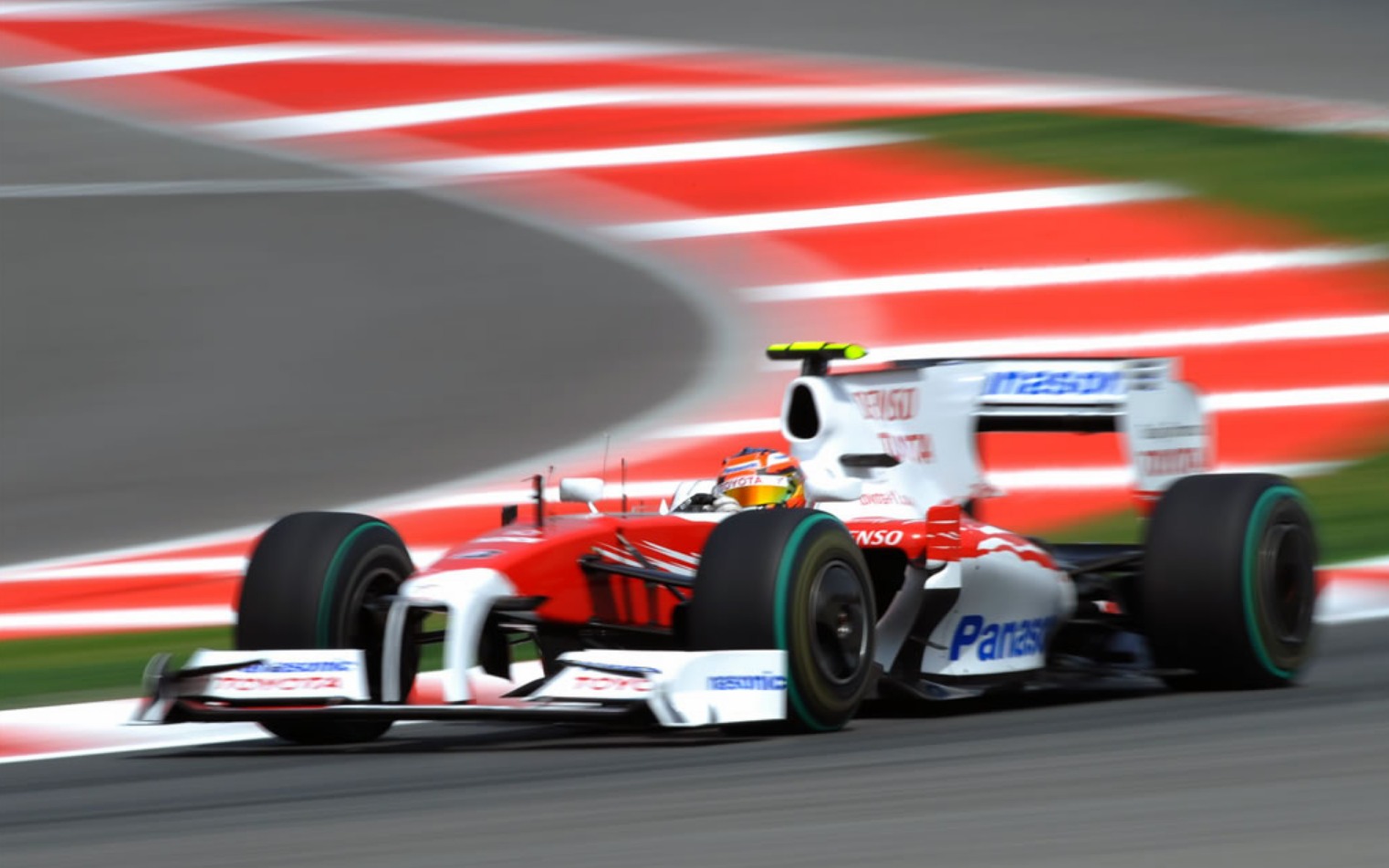
History is littered with well-funded automakers who assumed deep pockets and engineering prestige would translate to F1 competitiveness. Toyota spent nearly a decade and billions without a single victory. Honda’s various entries have ranged from dominant to disastrous. The pattern is always the same: ambition meets the merciless specificity of Formula 1, and ambition blinks first.
Cadillac has nearly 600 people on the books and General Motors holding a substantial minority stake alongside TWG Motorsports. The resources are there. Four finishes in six starts — including the sprint — is genuinely better than most predicted.
The question now is development pace. Every other team on the grid is improving at the same time, armed with infrastructure and institutional knowledge that took years to accumulate. Cadillac must close the gap while building the plane in flight, refining everything from aerodynamic surface finishes to fuel delivery architecture.
Patience is the only viable strategy. It’s also the rarest commodity in Formula 1, a sport that measures everything in thousandths of a second and forgets yesterday’s promise the moment today’s timing screens go live. The honeymoon ended fast. The marriage is what matters now.

Share this Story