
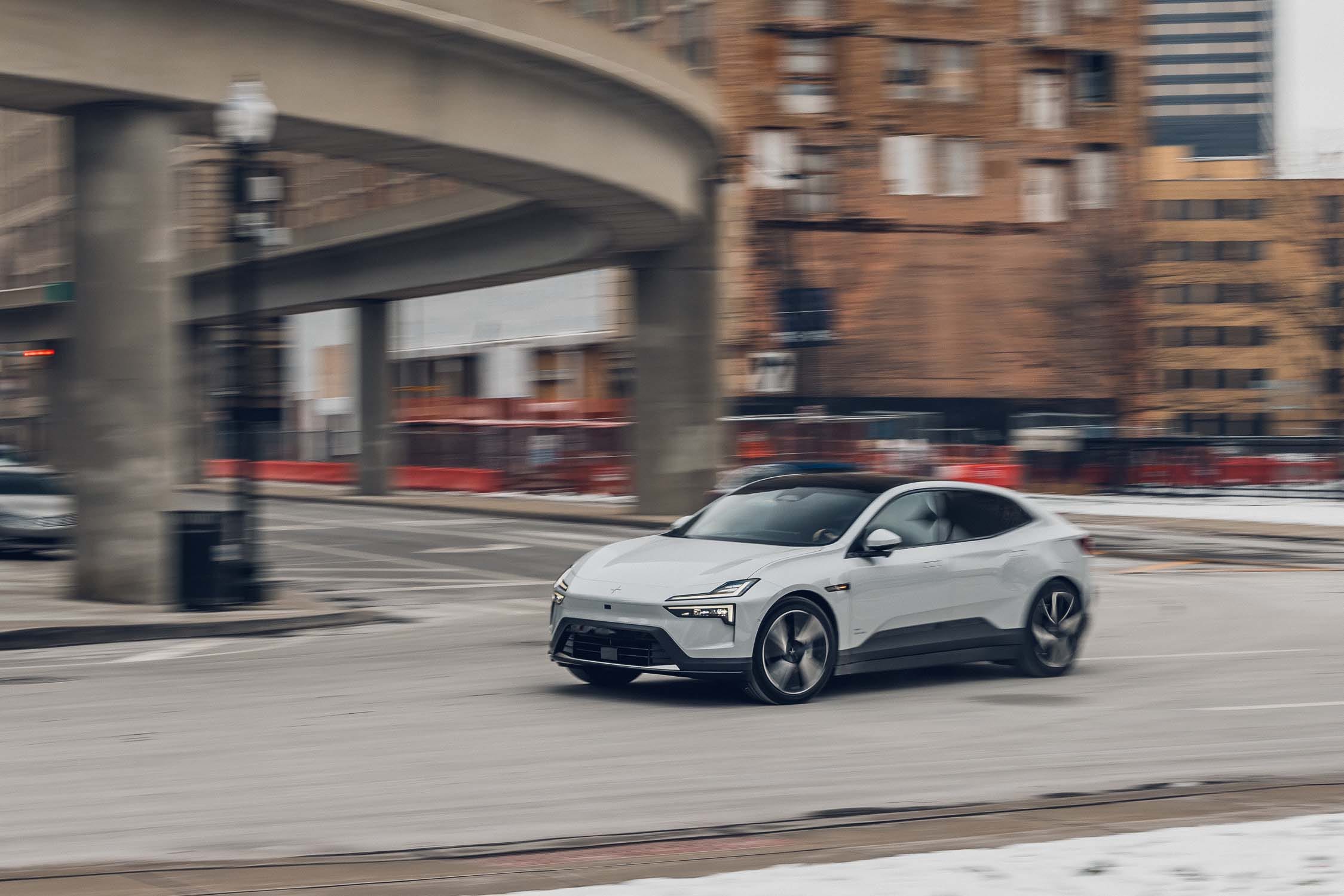


The 2026 Polestar 4 Long Range Dual Motor hit 60 mph in 3.2 seconds during Car and Driver testing, cleared the quarter-mile in 11.6 seconds at 119 mph, and did it all without a rear windshield. That last detail is the one Polestar desperately wants you to talk about. The performance numbers are the ones you should actually care about.
Polestar replaced conventional rear glass with a roof-mounted camera feeding a digital rearview mirror inside the cabin. The company argues the camera provides a wider field of view than any sliver of glass wedged between thick C-pillars could. It even pans the video stream when you signal a lane change.
Clever stuff — until it snows, or road grime coats the lens, or rain turns the feed into an impressionist painting. A hatchback with a rear wiper solves that problem for about twelve dollars in parts.
Box trucks, RVs, and commercial buses have been camera-only in back for decades. They didn’t do it for design awards. They did it because they had no choice.
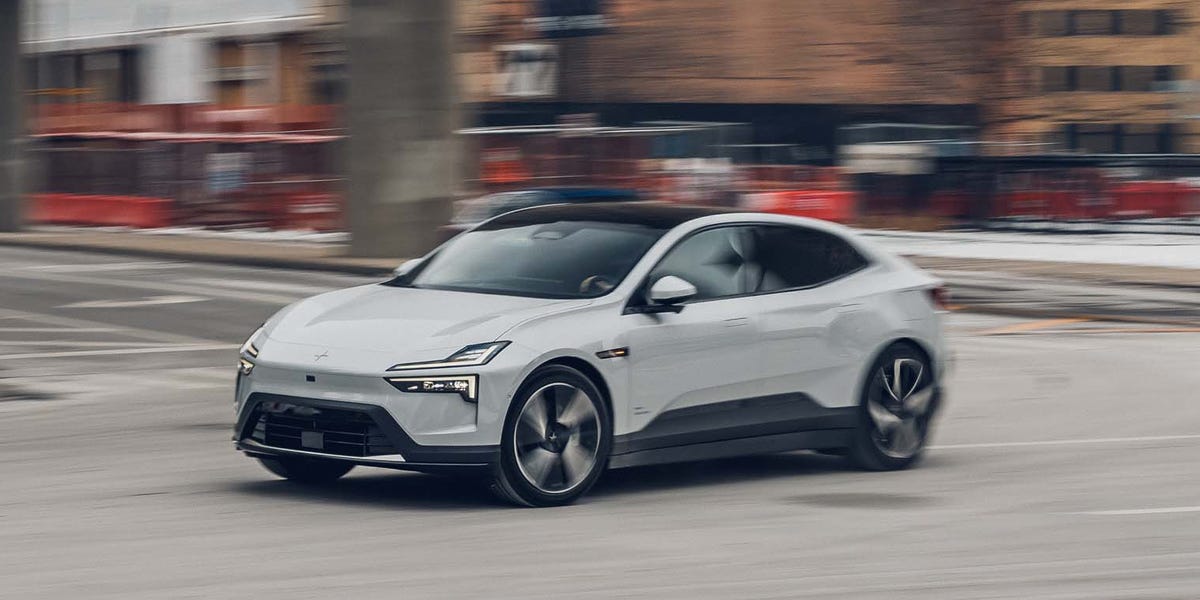
Strip away the gimmick, though, and the Polestar 4 is a genuinely compelling electric SUV. Its 536-hp dual-motor setup — a pair of AC motors making 506 pound-feet of torque — puts it ahead of the Porsche Macan 4 EV in a straight line. At 70 mph, cabin noise measures just 21 sones, also quieter than the Porsche.
The artificially limited top speed sits at 125 mph, meaning the quarter-mile trap speed of 119 already has the car brushing up against its electronic leash. The 94-kWh battery delivers an EPA-estimated 280 miles of range, which is adequate but nothing to celebrate in a segment where competitors are pushing well past 300. Peak DC fast-charging tops out at 200 kW — fine, not class-leading.
The real achievement might be the design itself. The coupelike roofline, enabled partly by eliminating that rear window, creates a silhouette that makes a Tesla Model Y look like it was shaped by committee in 2018. Rear-seat headroom benefits directly from the glassless design. Passengers sitting back there get space that other fastback SUVs simply cannot offer without raising the roofline and ruining the proportions.
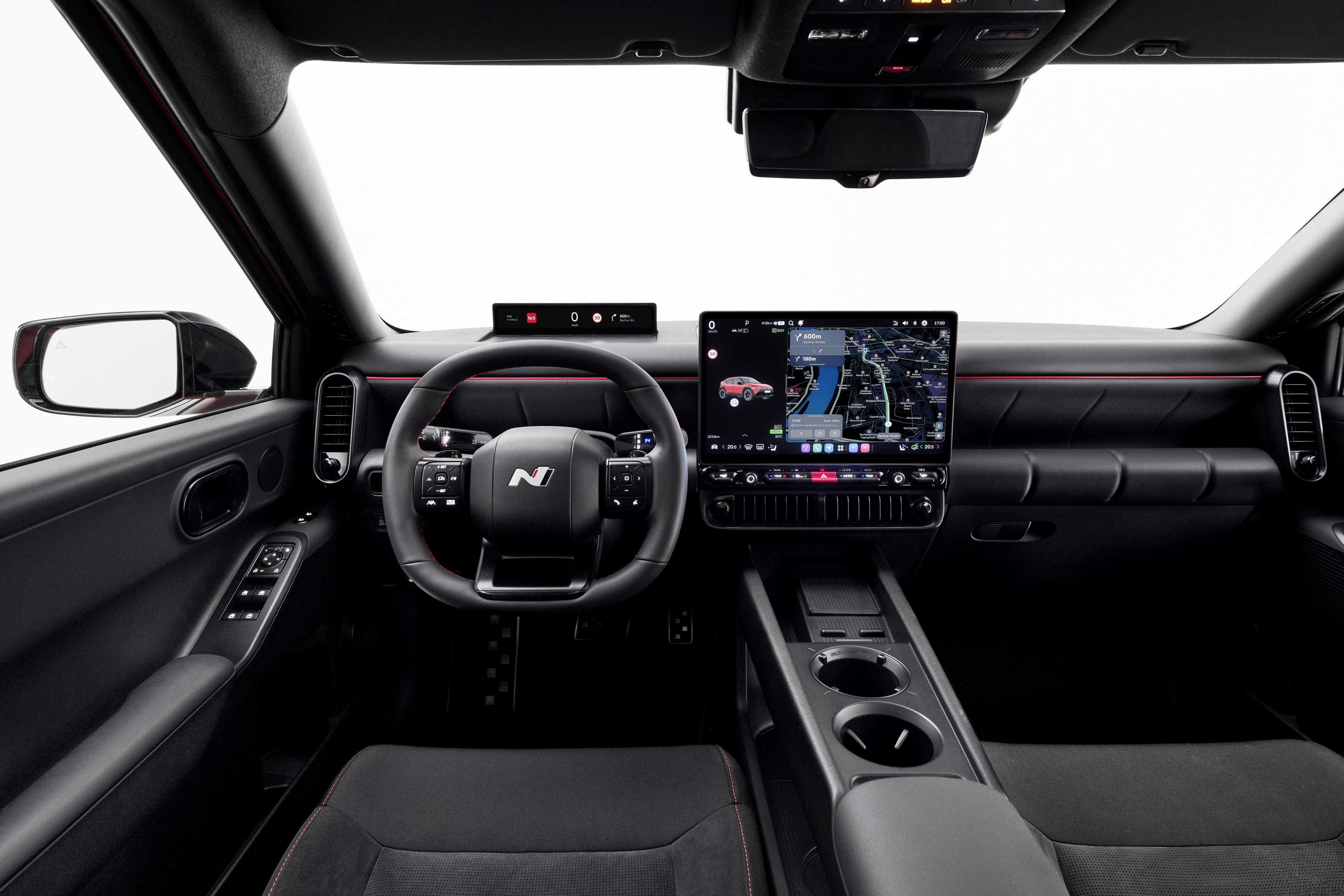
Inside, a 15.4-inch touchscreen dominates the minimalist cabin. It looks fantastic until you need to manually switch on the headlights, which requires drilling into a menu and then confirming through a steering-wheel button. A car bold enough to delete an entire window apparently couldn’t find room for a headlight stalk.
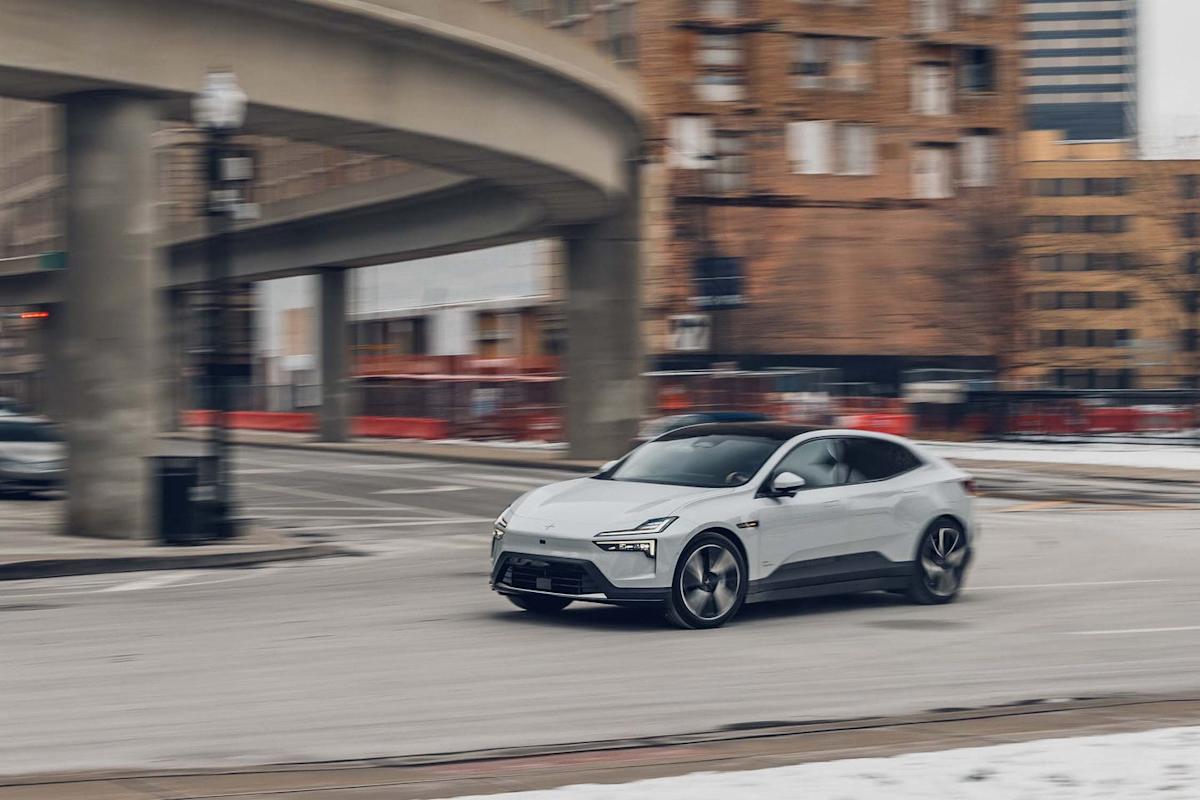
Pricing undercuts key rivals, and straight-line performance beats most of them. The ride is smooth, the cabin is quiet, and the back seat is legitimately spacious. On paper, the Polestar 4 is more rational purchase than rolling provocation.
That tension sits at the heart of the car. Polestar built something that performs like a serious EV contender, then marketed it around a parlor trick that falls apart in a rainstorm. The no-rear-window gambit generates headlines and showroom curiosity, but it also invites the kind of scrutiny that obscures the car’s genuine strengths.
Every review, every conversation, every owner forum thread will circle back to that camera — whether it works, whether it’s safe, whether it’s legal in every market. The Polestar 4 doesn’t need the stunt.
A 3.2-second sprint to 60, segment-beating quietness, a gorgeous profile, and a competitive price tag are enough to earn attention on merit. The camera is a conversation starter. The car underneath is the closer.
Share this Story