
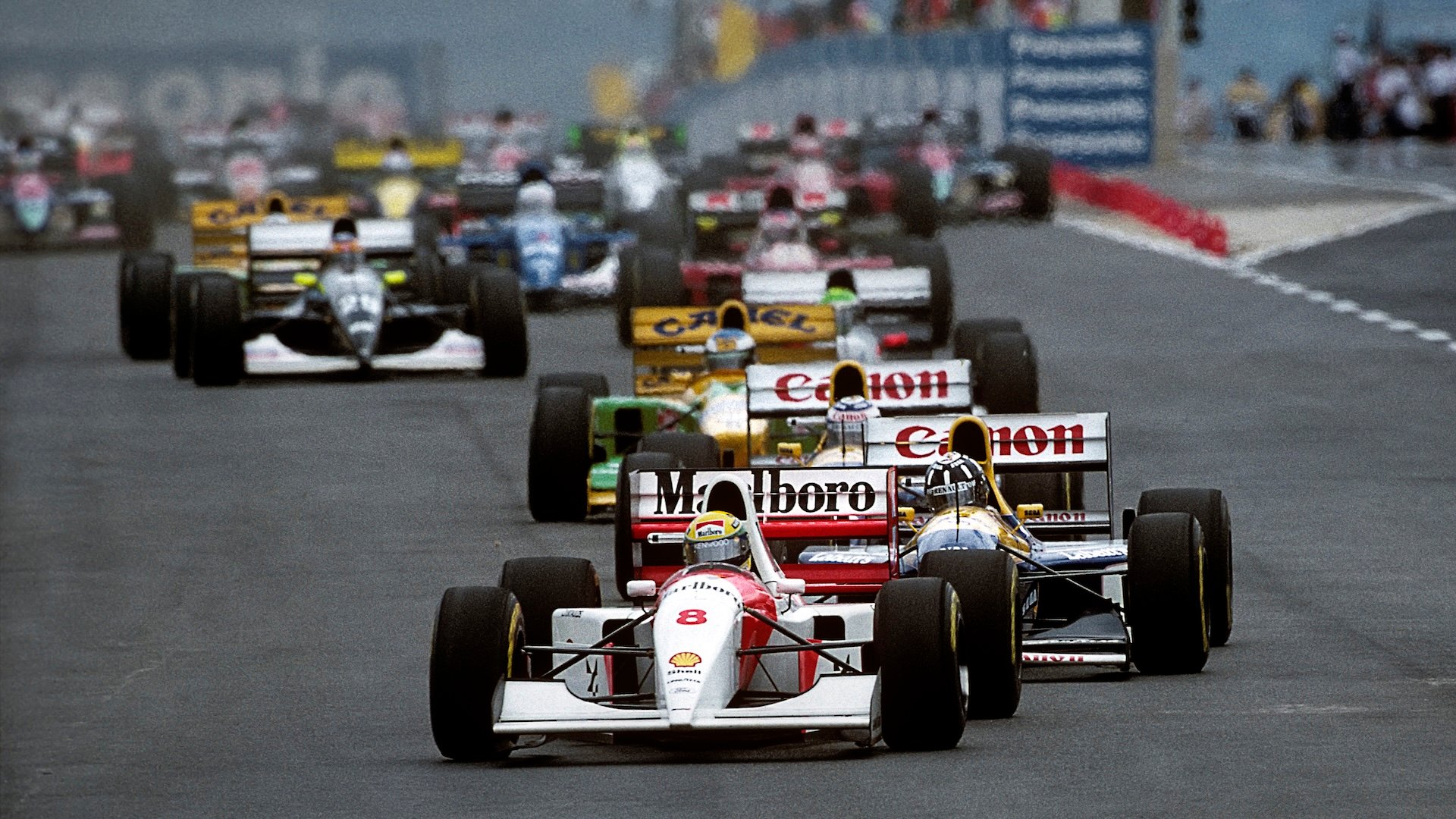


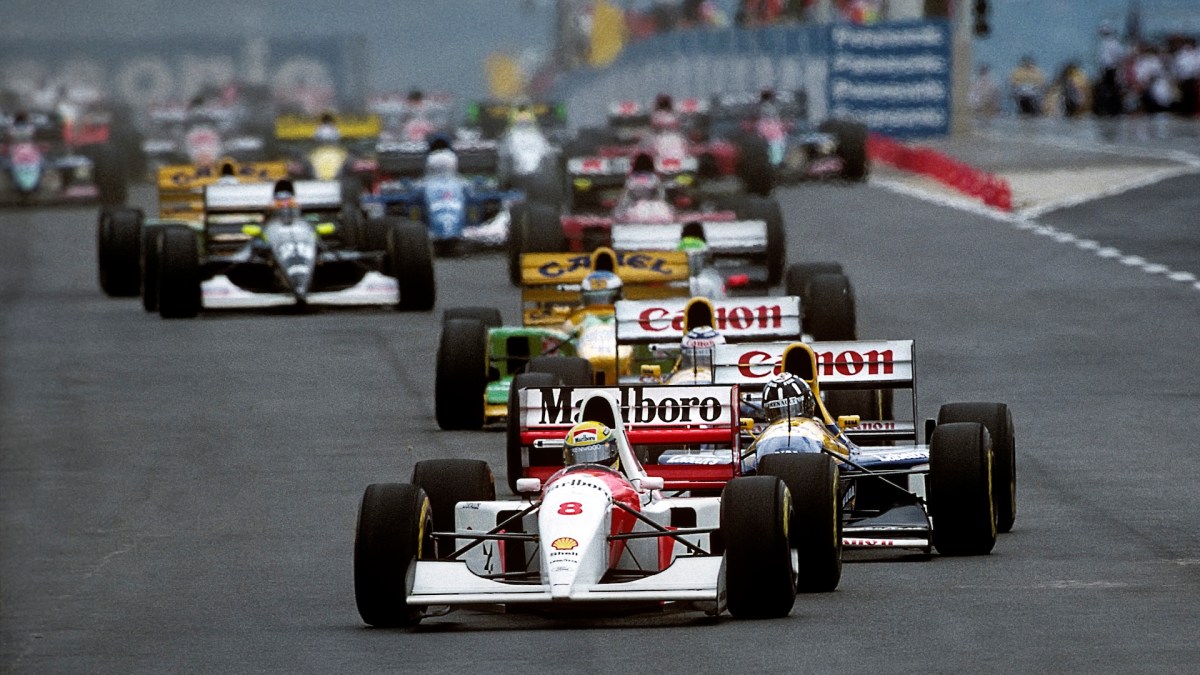
The last time Formula 1 raced on African soil, Ayrton Senna was still alive. That was 1993, at Kyalami in South Africa. Now, more than three decades later, the series has confirmed its return to the continent, this time in Rwanda.
F1 and FIA leadership announced Tuesday that a new purpose-built circuit in Bugesera, roughly 25 miles south of the Rwandan capital Kigali, will host an African Grand Prix in the early 2030s. No specific date was given. No track designer was named. No contract length was disclosed. What was offered amounted to a location, a timeline, and a promise.
The circuit will anchor a larger development featuring sports, tourism, and commercial ventures, a familiar formula F1 has deployed in Saudi Arabia, Qatar, and Las Vegas. The site’s proximity to the new Kigali International Airport, still under construction, is being positioned as a logistical advantage.
Rwandan President Paul Kagame framed the announcement in continental terms. “For more than three decades, the world’s premier motorsport championship has raced without this continent, and that changes with this agreement,” he said. He called the deal “a success and a milestone for the entire continent, especially for the African fans.”
That language carries weight, but it also carries a familiar pattern. F1’s calendar expansion under Liberty Media has leaned heavily toward government-backed vanity circuits in regions eager to buy global visibility. Bahrain, Abu Dhabi, Jeddah, and Lusail all followed the same playbook: new track, new infrastructure complex, state money, soft power objectives thinly dressed up as sporting ambition. Rwanda fits that mold.
The country, population 14 million, has aggressively pursued sports partnerships in recent years. It already sponsors Arsenal, Paris Saint-Germain, and the Tour de France through its Visit Rwanda tourism campaign. Hosting an F1 race would be the crown jewel of that strategy.
But building an F1-grade circuit from scratch takes years and billions. And “early in the next decade” is deliberately vague. The sport’s current calendar already groans at 24 races per season, with promoters from established venues struggling to justify their fees. Adding another race means either expanding the schedule further or dropping someone. Neither is painless.
Africa deserves a Grand Prix. That much is obvious. The continent’s 1.4 billion people represent the largest untapped fan base in global motorsport, and the absence since 1993 has been conspicuous. South Africa, Morocco, and Nigeria have all been discussed as potential hosts over the years. Rwanda was never the obvious choice, which may be precisely why it won.
Kagame’s government runs a tight, efficient state with ambitions that far outpace its GDP. Whether it can deliver a world-class racing facility on time and on budget remains the open question. Qatar managed it. Vietnam did not — its Hanoi street circuit was built and then abandoned before a single race was held.
The checkered flag at Kyalami in 1993 saw Prost win, Senna finish second, and Blundell complete the podium. Three decades of silence followed. Rwanda now has roughly five years to make sure the next chapter actually happens.


Share this Story