
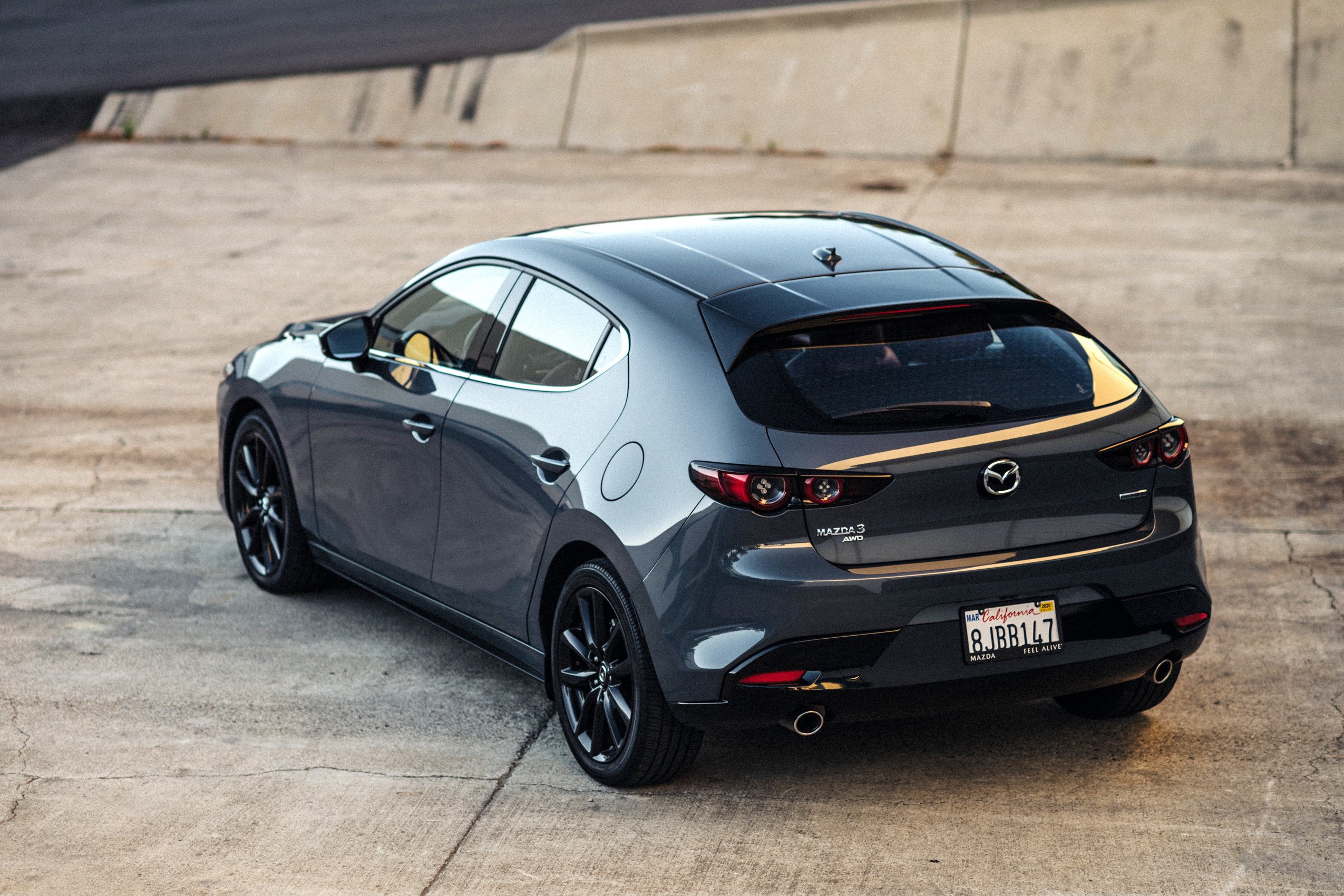


The Mazda3 moved 3,704 units in September, up nearly 150% from the roughly 1,500 it sold in the same month a year earlier. Those are not crossover numbers. They are not even midsize sedan numbers, but they tell a story that keeps repeating itself every time fuel prices spike.
American buyers are rediscovering compact cars. Not because they suddenly appreciate driving dynamics or smart packaging, but because filling up a three-row SUV now feels like a recurring financial wound. The Mazda3, a car that has been on sale in its current generation since 2019 with only modest updates, is benefiting from the same panic that briefly saved the sedan segment during previous gas crunches.
The pattern is depressingly familiar. Fuel prices climb, buyers scramble toward smaller, more efficient vehicles, sales of compacts tick up, then gasoline settles back down and everyone rushes back to oversized crossovers. The Mazda3, the Civic, the Corolla — they all get their moment in the spotlight before being abandoned again once the cost per gallon drops below the pain threshold.
Mazda’s compact offering is a particularly interesting case. The company never chased volume with heavy incentives or fleet sales on the 3. It kept the car positioned slightly upmarket, with a premium interior and engaging chassis, betting on buyers who actually wanted a small car rather than buyers who were forced into one.
That strategy meant thin sales during the cheap-gas years but also meant the 3 never became disposable.
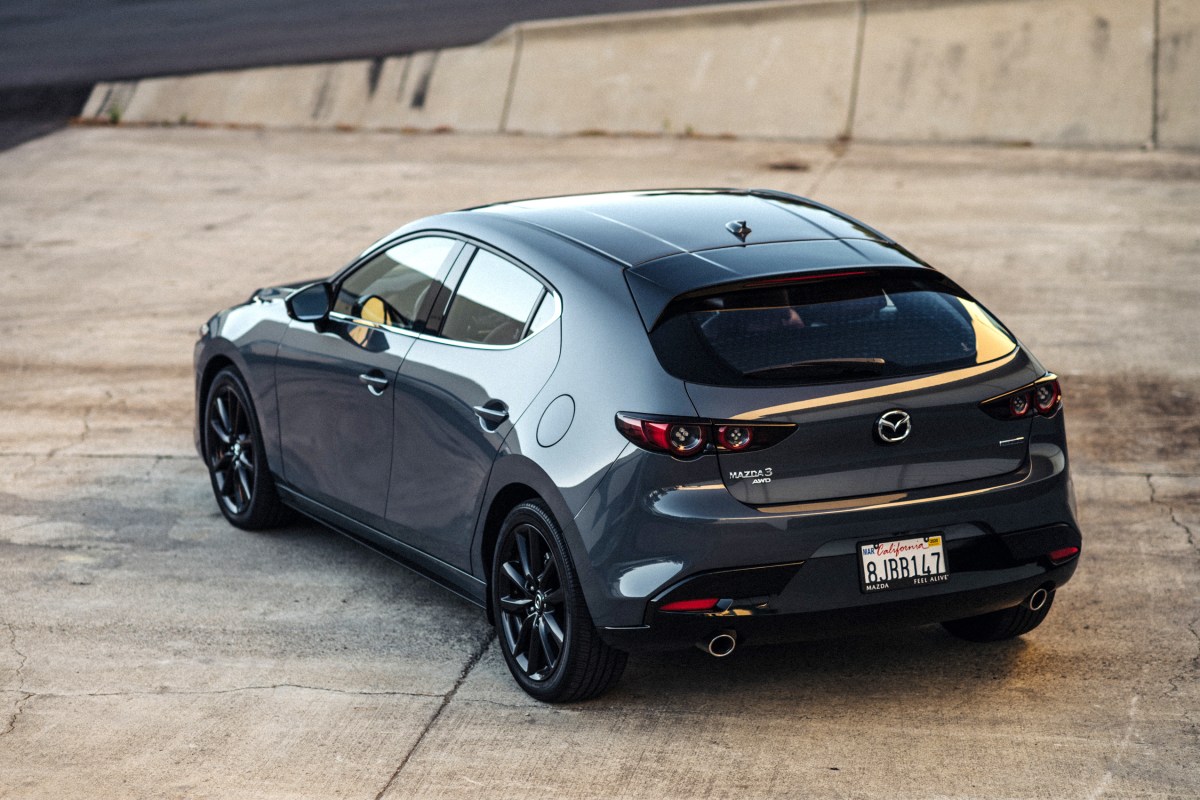
A 150% increase sounds dramatic until you look at the baseline. Selling 1,500 units of anything in the American market is barely a blip. Going from 1,500 to 3,700 is progress, but it still puts the Mazda3 far behind the CX-50 and CX-90 in Mazda’s own showrooms.
The SUVs remain the profit engines. The sedan and hatchback are, at best, supporting players getting a brief curtain call.
What makes this moment different from past fuel spikes is an open question. Gas prices have been elevated for months now, not just weeks, and the broader economic pressure on consumers is real. A compact sedan or hatchback starting in the low $20,000 range offers genuine relief compared to the average new vehicle transaction price hovering near $49,000.
Mazda is not alone in seeing the uptick. Multiple automakers have reported stronger compact car sales in recent months, a quiet reversal of the “cars are dead” narrative that dominated the industry for the better part of a decade. Dealers who stripped their small car inventory to make room for more profitable SUVs are now scrambling to restock.
The real test comes later. If gas prices moderate, do these buyers stick with efficient cars, or do they trade up to a CX-50 at the first opportunity? History suggests the latter. The American love affair with large vehicles has survived every fuel crisis since the 1970s.
For now, Mazda is quietly enjoying a month where its most overlooked product became its most talked-about one. Whether September was a turning point or just another temporary spike depends entirely on what happens at the pump next.

Share this Story