
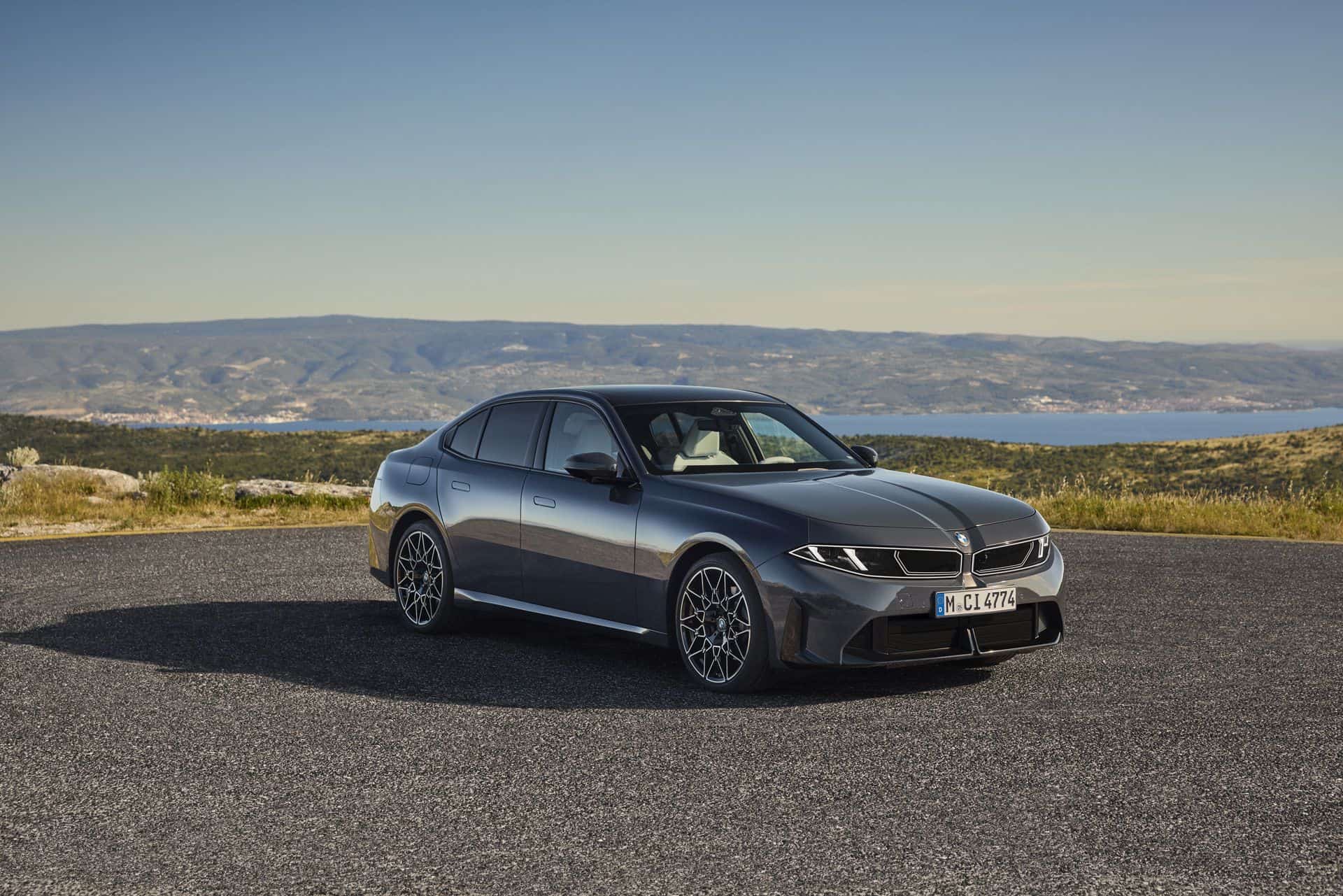


A product roadmap buried in BMW’s 2026 Capital Market Day documents reveals four mystery vehicles arriving in China before the end of 2027, with five more following in 2028. Every one of them is draped in colorful covers, deliberately unidentified.
BMW is not being coy for the fun of it. The company is staging a full-scale production offensive in the world’s largest car market, where its sales have been sliding and domestic Chinese brands are eating market share with ruthless efficiency.
The covered cars tell a story BMW isn’t quite ready to narrate publicly. Analysts and enthusiasts have been piecing together the clues, and the educated guesses are compelling.
The first vehicle is likely the long-wheelbase iX1, internally coded NB6, a stretched variant of the next-generation global model expected on a dedicated electric platform with rear-wheel drive, Gen6 electric motors, and cylindrical-cell batteries. That is a clean break from the current iX1’s adapted combustion architecture.
A second car appears to be the long-wheelbase 3 Series G58. BMW only just revealed the global G50, but China always gets its own extended version. The gas-powered sedan would slot alongside the electric i3 NA0 and its already-available stretched NA8 sibling.
BMW is hedging its bets in China, running combustion and electric variants at the same time. The facelifted 5 Series and i5 in long-wheelbase form look like another candidate. BMW already builds and sells the extended G68 in China, and a mid-cycle refresh incorporating Neue Klasse design language is due next year.
A fourth vehicle, cloaked in white and arriving near the end of 2027, remains harder to pin down. Speculation ranges from the iX4 to the Alpina 7 Series, which BMW confirmed this week is coming in 2027 under what is expected to be the G72 codename.
The bigger picture is the sheer scale of localization. BMW wants 95 percent of the vehicles it sells in China to be built locally by the end of the decade. That is not just a manufacturing target but an acknowledgment that import tariffs, logistics costs, and competitive pricing from BYD, NIO, and others have made the old export model unworkable.
BMW is also exploring exporting Chinese-built cars to Southeast Asia, a move that turns its Chinese factories into regional hubs rather than single-market operations. Long-wheelbase variants stopped being a China-only curiosity years ago, but BMW is drawing a hard line at geography. None of these stretched models are expected in Europe or North America.
Nine new models across two years for a single market is an aggressive cadence. It suggests BMW sees 2027 and 2028 as make-or-break years in China, where the transition to electric is moving faster than anywhere else on the planet and legacy automakers are losing ground quarterly.
The covers will come off eventually. What matters less is whether the guesses are exactly right and more that BMW felt compelled to telegraph this pipeline at all. Capital markets wanted reassurance.
BMW answered with a picture of nine cars nobody is allowed to see yet, a timeline, and a promise that the factory floors in Shenyang and elsewhere will be running hot. Whether that is enough to reverse the sales trajectory remains an open question heading into 2027.
Share this Story