
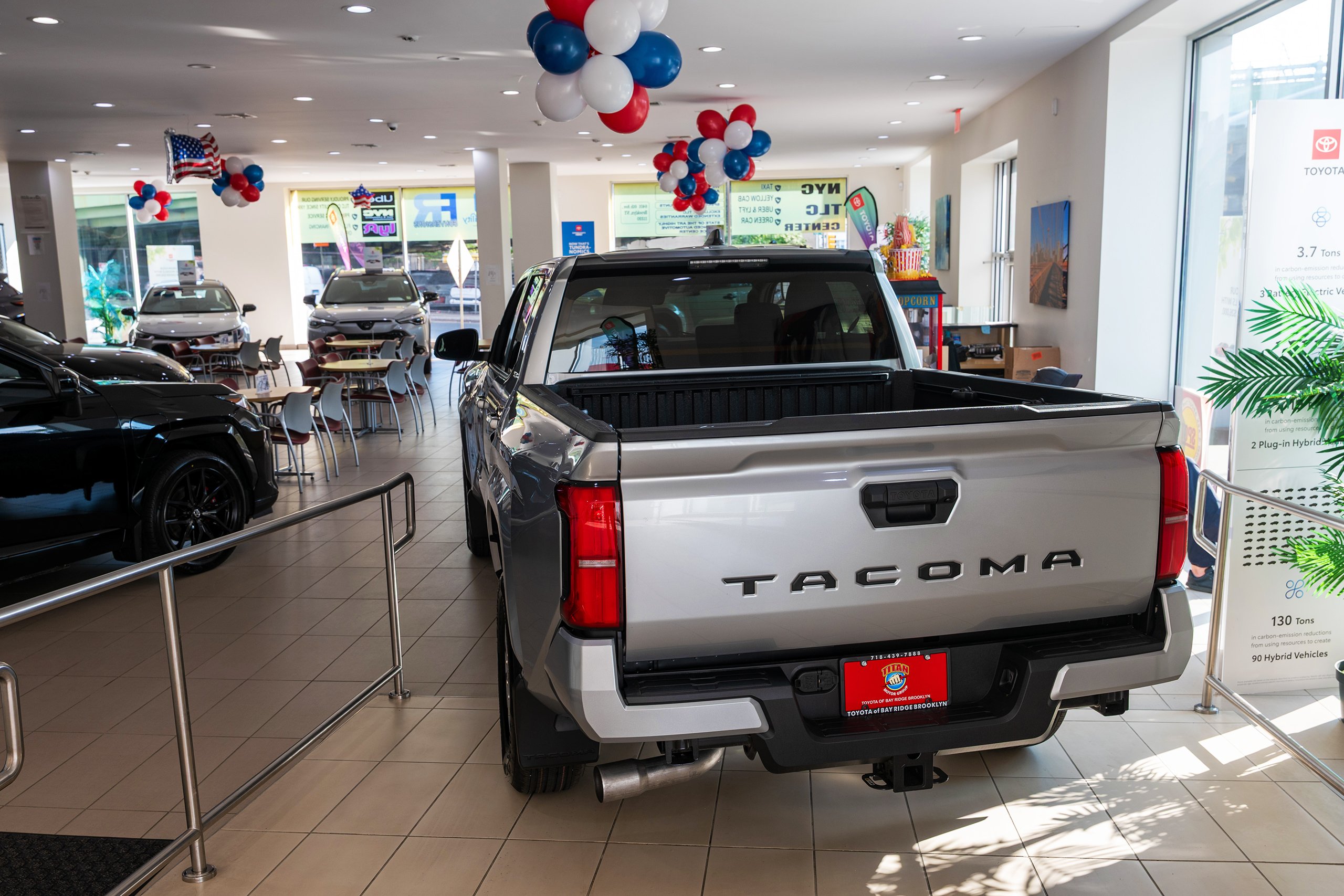


Toyota is turning its dealer network into a political weapon. At the brand’s most recent annual dealer meeting in Las Vegas, lobbying strategy reportedly dominated the conversation. Executives urged franchise owners to press state lawmakers ahead of November’s midterm elections to roll back tariffs that have inflated vehicle prices for two years running.
“Obviously, a lot of dealers are one of the biggest employers in their local community. They’re one of the biggest tax contributors to their local community, so they understand that tariffs are a cost that get pushed around,” said Dave Christ, Toyota’s North American brand chief, according to Automotive News.
The phrasing is careful. The strategy is not. Toyota is asking thousands of local business owners, people who write big checks to local tax bases and employ significant headcount in their districts, to convert that economic leverage into political pressure. It is a grassroots campaign dressed in a corporate suit.
This is not the first time an automaker has pushed back against trade policy, but the dealer channel is a particularly potent vehicle for it. Members of Congress tend to listen when the person across the desk signs paychecks for 50 or 100 of their constituents. Toyota has roughly 1,500 dealers in the United States, which means coverage in nearly every congressional district in the country.
Two years of tariff-driven price increases have squeezed buyers and slowed showroom traffic. Dealers feel it in their monthly numbers. Toyota feels it in market share erosion.
Neither side needs much convincing that tariffs are bad for business. The question is whether translating that frustration into midterm-election lobbying will move the needle in Washington, where trade policy has become ideologically entrenched on both sides of the aisle.
Toyota is also hedging its bets on the product side. The company recently confirmed a hydrogen fuel-cell version of its Hilux pickup headed to Europe by 2028, built around Mirai powertrain technology. It is a reminder that Toyota continues to spread its chips across multiple propulsion strategies rather than going all-in on battery electrics, a posture that looks increasingly shrewd as EV adoption timelines slip worldwide.
But the dealer lobbying push is the more revealing play. Automakers have historically kept their political maneuvering at the executive and trade-association level, letting groups like the Alliance for Automotive Innovation carry the water in D.C. Pulling dealers directly into the effort suggests Toyota believes those traditional channels have not delivered results fast enough.
Christ’s framing of tariffs as “a cost that gets pushed around” is doing a lot of work in that quote. He is telling dealers, without quite saying it, that the sticker shock customers complain about at the point of sale is not Toyota’s fault. It is Washington’s. And if dealers want relief, they need to go talk to the people who created the problem.
Whether that message lands with lawmakers facing re-election depends on how many dealers actually pick up the phone. Toyota is betting the number will be high enough to matter.
Share this Story