About This Honda Civic DX 1989 Build
We love featuring real builds from real owners. This Honda Civic DX 1989 sits on a set of 15×8 / 15×8-inch Konig Hypergram wheels, and the result speaks for itself.
The owner chose Konig for a reason. This brand delivers serious quality and a design language that turns heads at every car meet. We see hundreds of Honda Civic DX builds come through WheelFront every month, but this one stands out. The combination of the exterior with the Konig Hypergram creates a look that balances aggression with elegance.

Fitment Breakdown: Konig Hypergram on the Honda Civic DX 1989
I walked around this EF Civic for twenty minutes straight at the meet. Dropping 15x8 Konig Hypergrams on an '89 DX frame is a bold move that actually works. We see a lot of people mess up the math on these old Hondas, but this setup sits perfect.
The 35 offset keeps the wheels tucked just enough to clear the trailing arms. You get a nice, flush look without needing a wide-body kit. It fills those small 80s wheel wells like the engineers intended it.
Caliper clearance on this DX isn't a huge headache, but the Hypergram design helps a ton. The spokes curve outward, giving you plenty of room for upgraded brakes if you decide to go faster. You don't have to worry about the hub bore either, as the Konigs fit the Honda center bore with ease.
The 15x8 width is aggressive for a stock EF body. You definitely need those coilovers to dial in the negative camber. Without a proper drop, you would be poking way too far past the fenders.
Watch out for the front inner liner on full lock. With this width, you might get a little rub if you run a fat tire. Keep your alignment specs tight and you will avoid the dreaded fender chew.

The barrel depth on these wheels adds a nice visual weight to the car. It makes the DX look planted and mean instead of like a grocery getter. It changes the whole silhouette of the boxy body.
I love how the suspension setup creates a clean gap between the tire and the fender arch. Every millimeter counts on a car this small. This build proves that you don't need fancy parts to make a statement.
What We Recommend for Honda Civic DX 1989 Owners
If you own an EF, stick to 15-inch wheels. Going up to 16s or 17s ruins the geometry and makes the car feel like a wagon. The 15x8 square setup is the gold standard for this platform.
Don't even think about a staggered setup on a front-wheel-drive Civic. You want the same footprint at all four corners to keep the handling predictable. It makes tire rotations a breeze, too.
Aim for an offset between 30 and 38 for the best results. Anything lower than 30 will force you to roll your fenders until they look like a disaster. Keep it simple and keep your paint intact.

Pick a tire with a slightly rounded sidewall to soften the transition to the fender. A 205/50/15 is usually the sweet spot for a daily driver that hits the canyons. It gives you enough cushion so you don't crack your rims on a pothole.
Most guys mess up by buying the wrong lug nuts or skipping hub-centric rings. Do it right the first time so you don't have vibration issues at highway speeds. A solid set of hub rings makes a world of difference.
Style and Build Analysis
The Gray Machined finish on these Konigs pops against the factory paint. It’s a sophisticated look that keeps the car feeling period-correct but modern. The contrast between the dark gray spokes and the machined accents catches the light perfectly.
The Hypergram is a classic racing wheel design. It flows with the sharp, boxy lines of the 1989 Civic perfectly. It doesn't look like a cheap aftermarket add-on; it looks like a factory performance option from a parallel universe.
Proportions are everything on a small car. The 15-inch diameter feels balanced against the short wheelbase of the DX. It doesn't look like a cartoon car; it looks like a focused street machine.

I’ve seen plenty of EF builds with cheap, heavy wheels that ruin the driving dynamics. These Hypergrams are light, which makes the car feel snappy and responsive in the corners. You can actually feel the reduced unsprung weight when you steer.
This car has a presence that screams "hidden gem." It isn't trying too hard with wild wings or crazy body kits. It relies on the strength of the wheel choice and the quality of the stance to do the talking.
Why We Love This Build
This Civic captures the spirit of the golden era of Japanese tuning. The way those Gray Machined wheels catch the afternoon sun makes the whole car glow. It sits low, looks fast, and keeps the classic EF charm we all crave.
We see thousands of cars, but this one sticks in my mind. It’s clean, it’s functional, and it respects the history of the platform. You can tell the owner spent the time to get the fitment exactly right.
This is exactly how you modify a vintage Honda without losing its soul. It makes me want to run out, grab an EF of my own, and bolt on a set of Hypergrams. Perfection is simple.

Full Specs Breakdown
Here is exactly what this owner is running. We break down every detail so you can replicate this build or use it as a starting point for your own setup.
- Car Make & Model: Honda Civic DX 1989
- Vehicle Color:
- Wheel Brand & Model: Konig Hypergram
- Wheel Size: 15×8 / 15×8
- Offset: 35 / 35
- Wheel Finish: Gray Machined
- Tires: Toyo Tires Extensa HP II 195/45 21.9″x7.7″ / 195/45 21.9″x7.7″
- Suspension: Coilovers
Before You Buy: Fitment Checklist
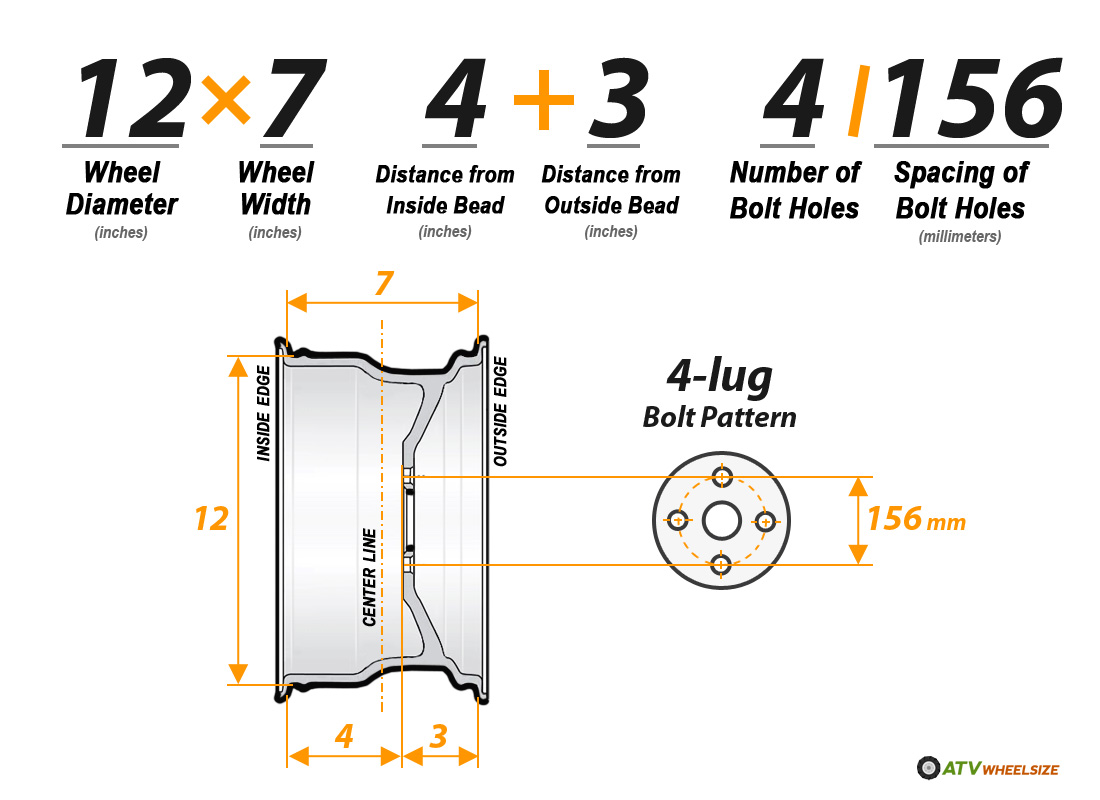
We talk to Honda Civic DX owners every day. These are the questions we hear most before they pull the trigger on new wheels.
Will 15×8 / 15×8-inch wheels fit my Honda Civic DX? Yes, but fitment depends on width, offset, and tire size working together. A wrong offset means rubbing. A wrong tire size means poor handling. Always verify all three.
Do I need to modify my fenders? That depends on your offset and suspension. A conservative offset with stock ride height usually fits without modification. Go aggressive and you may need to roll or pull your fenders.
Can I daily-drive this setup? Absolutely. Thousands of Honda Civic DX owners run 15×8 / 15×8-inch wheels every day. The key is choosing the right tire with enough sidewall to absorb road imperfections.