About This Honda Prelude Type SH 1998 Build
We love featuring real builds from real owners. This Honda Prelude Type SH 1998 sits on a set of 17×9.5 / 17×9.5-inch Enkei RPF1 wheels, and the result speaks for itself.
The owner chose Enkei for a reason. This brand delivers serious quality and a design language that turns heads at every car meet. We see hundreds of Honda Prelude Type SH builds come through WheelFront every month, but this one stands out. The combination of the exterior with the Enkei RPF1 creates a look that balances aggression with elegance.

Fitment Breakdown: Enkei RPF1 on the Honda Prelude Type SH 1998
I walked around this Prelude at the last show and my jaw hit the floor. Running 17x9.5 all around is a massive commitment on a BB6 chassis. The Enkei RPF1 is a classic for a reason, but fitting this width requires serious work.
The +40 offset keeps the wheels tucked tight against the suspension arms. You need those coilovers to clear the inner barrel at this width. Without adjustable camber arms, you will fight the inner fender liners every single day.
The Type SH has that unique ATTS unit that makes space tight near the hub. We checked the caliper clearance and it barely clears the stock setup. You might want to consider a small spacer if you plan on running a big brake kit later.
The hub bore on these wheels fits the Prelude perfectly with the right rings. I love how the spokes poke out just enough to catch the light. It gives the car a aggressive, track-ready stance that demands respect.
You definitely need to roll your fenders flat to make this fit. Even then, watch out for the rear bumper tabs during hard cornering. I saw this owner adjust his ride height to dial in the perfect clearance.
The barrel lip on the 9.5-inch width looks meaty and purposeful. It transforms the Prelude from a commuter into a street weapon. This isn't a setup for someone who wants to drive over speed bumps without a care.
Everything about this fitment screams function over form. I appreciate the precision required to get this dialed in without aggressive tire stretch. It is a bold look that defines the car's personality.
What We Recommend for Honda Prelude Type SH 1998 Owners
Don't just jump into a 9.5-inch wide wheel unless you are ready to modify. For most street builds, a 17x8 or 17x8.5 is much easier to manage. You save yourself a lot of headache with the fenders that way.
If you want that perfect flush look, stick to an offset between +35 and +42. Anything lower than +35 will require serious pulling of the fenders. We have seen too many Preludes ruined by rushed fender work.
Skip the staggered setup on this front-wheel drive platform. A square setup allows you to rotate your tires and keeps the handling neutral. Trust me, you want the extra grip on the front end for those tight corners.
Invest in quality tires before you worry about the wheels. A 245 or 255 width tire works best on this size wheel to protect the rim. Avoid massive stretch unless you are purely building for a show aesthetic.
Check your suspension geometry before you finalize your order. You need enough negative camber to tuck the tires under the arches. Alignment is the difference between a clean build and a ruined set of tires.
Style and Build Analysis
The black finish on these RPF1s is pure stealth mode. It hides the brake dust and makes the car look much darker and meaner. I love how the black wheels disappear into the shadows of the wheel well.
The thin, split-spoke design of the Enkei keeps the unsprung weight low. It makes the car look faster even when it is sitting perfectly still. This design is timeless and will never look outdated on a 90s Honda.
The stance on this Prelude is absolutely dialed in. The tires sit right at the edge of the fender line without looking like a monster truck. It strikes that delicate balance between aggressive and usable.
I have seen a lot of builds, but this one feels cohesive. The dark wheels pull the eye down and ground the car to the pavement. It makes the Prelude look like it has a wider, more stable footprint.
This car commands attention without being flashy or gaudy. It is a masterclass in selecting the right parts and executing the install. Every modification serves a purpose for both the track and the street.
Why We Love This Build
This Prelude is the perfect example of how the right wheels change everything. The black RPF1s disappear into the arches, letting the classic Prelude body lines do the talking. When the sun hits the paint, the contrast between the glossy body and the matte wheels is pure magic. It turns the car into a shark on the pavement.
We see a lot of builds, but this one sticks in my memory. It feels honest, raw, and completely thought out. I want to jump in the driver's seat and take it through some winding back roads immediately. This is how you modify a legendary chassis.
Stop dreaming and start building, because this look is absolute perfection.

Full Specs Breakdown
Here is exactly what this owner is running. We break down every detail so you can replicate this build or use it as a starting point for your own setup.
- Car Make & Model: Honda Prelude Type SH 1998
- Vehicle Color:
- Wheel Brand & Model: Enkei RPF1
- Wheel Size: 17×9.5 / 17×9.5
- Offset: 40 / 40
- Wheel Finish: Black
- Tires: Hankook Ventus V12 Evo 2 225/45 25″x8.9″ / 225/45 25″x8.9″
- Suspension: Coilovers
Before You Buy: Fitment Checklist
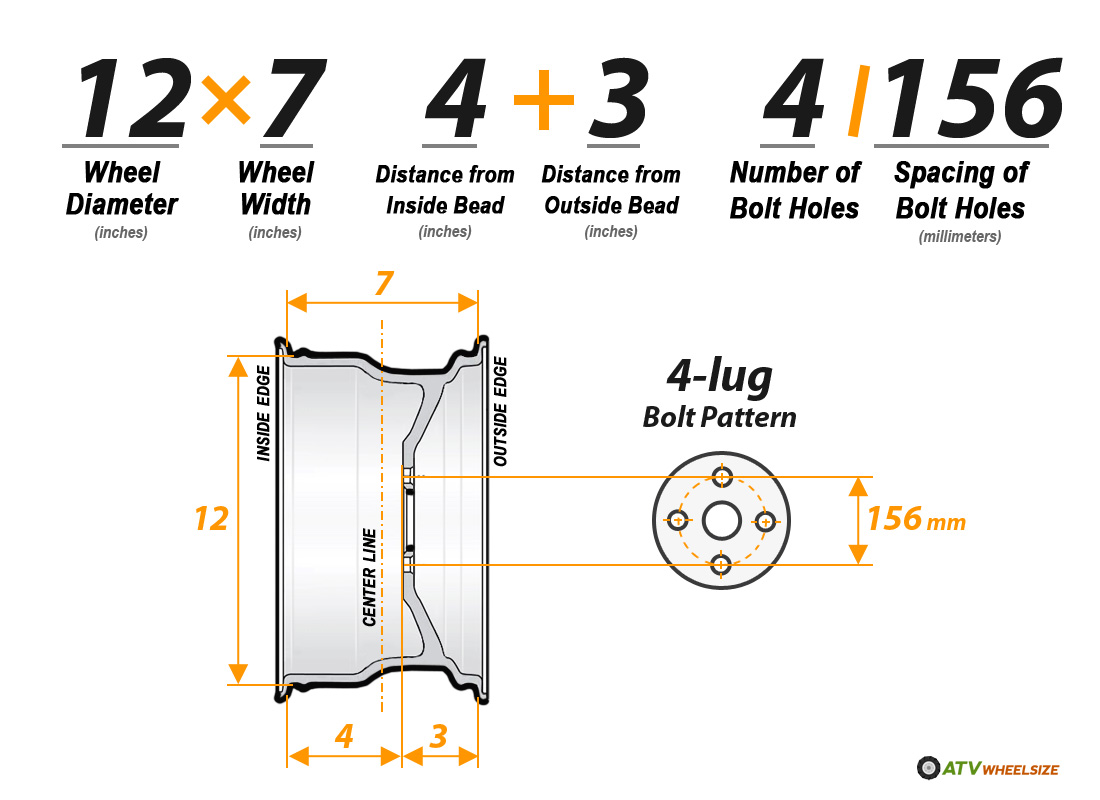
We talk to Honda Prelude Type SH owners every day. These are the questions we hear most before they pull the trigger on new wheels.
Will 17×9.5 / 17×9.5-inch wheels fit my Honda Prelude Type SH? Yes, but fitment depends on width, offset, and tire size working together. A wrong offset means rubbing. A wrong tire size means poor handling. Always verify all three.
Do I need to modify my fenders? That depends on your offset and suspension. A conservative offset with stock ride height usually fits without modification. Go aggressive and you may need to roll or pull your fenders.
Can I daily-drive this setup? Absolutely. Thousands of Honda Prelude Type SH owners run 17×9.5 / 17×9.5-inch wheels every day. The key is choosing the right tire with enough sidewall to absorb road imperfections.