About This Lexus IS300 Base 2001 Build
We love featuring real builds from real owners. This Lexus IS300 Base 2001 sits on a set of 17×8 / 17×8-inch Enkei RS+M wheels, and the result speaks for itself.
The owner chose Enkei for a reason. This brand delivers serious quality and a design language that turns heads at every car meet. We see hundreds of Lexus IS300 Base builds come through WheelFront every month, but this one stands out. The combination of the exterior with the Enkei RS+M creates a look that balances aggression with elegance.

Fitment Breakdown: Enkei RS+M on the Lexus IS300 Base 2001
I walked around this IS300 for twenty minutes just to soak in the lines. Putting a 17x8 square setup on the first-gen IS platform is a classic move that never gets old. These Enkei RS+M wheels nail the proportions perfectly for this chassis.
Running a +30 offset on all four corners pushes the wheels right to the edge of the fenders. You get that aggressive, flush look without needing to go overboard on camber. It makes the car look planted and ready for a canyon run.
The 8-inch width gives you just enough room to run a meaty tire without fighting the inner liner. I checked the front caliper clearance, and the RS+M design leaves plenty of room to breathe. You will not have any issues with the stock brakes hitting the back of the spokes.
Since the owner installed coilovers, the wheel gap is non-existent. The car sits low, but those 17-inch barrels keep the suspension geometry tight. You get a firm, responsive feel in the corners that the stock ride just cannot match.

Watch out for the front fenders if you drop the car too low. You might catch a bit of plastic liner if you hit a big dip while steering. A quick roll of the front fenders will save your tires from any nasty rubbing.
The hub bore fits the Lexus factory hub spot on. You do not need any sketchy spacers or hub rings to get these wheels centered. It is a clean, reliable fitment that stays true to the Japanese sports sedan spirit.
What We Recommend for Lexus IS300 Base 2001 Owners
If you own an IS300, do not go bigger than an 18-inch wheel. The 17-inch diameter is the sweet spot for handling and tire cost. Anything larger makes the car feel sluggish and kills the sharp turn-in this chassis is famous for.
Stay within the +30 to +40 offset range to keep your scrub radius healthy. If you go lower than +30, you will be fighting fender clearance issues every time you hit a bump. Trust me, nobody wants a ruined fender paint job.

Stick with a square setup if you want to rotate your tires properly. Staggered setups look cool, but they make the IS300 understeer more than it already does. Keep it simple and keep it balanced with 8-inch widths all around.
Consider a 225/45 tire if you want a reliable daily driver setup. It gives you enough sidewall to protect those Enkei lips from potholes. Avoid super aggressive stretch unless you are specifically building a show-only car.
Don't be afraid to roll your fenders once you add coilovers. It is a cheap insurance policy for your expensive new wheels and rubber. A clean roll looks factory and gives you the clearance you need to actually drive the car hard.
Style and Build Analysis
The silver finish on these RS+M wheels pops against the factory Lexus paint. Silver is the ultimate choice for a timeless look that doesn't fade with trends. It looks just as good in a dark garage as it does under the bright sun.

The multi-spoke design of the Enkei RS+M draws your eye inward toward the hubs. It looks purposeful, light, and focused on performance rather than just flash. This isn't a parking lot queen; it is a driver's setup.
I love how the wheel fills the arch without looking like a rolling wagon wheel. The proportions match the short overhangs of the IS300 chassis perfectly. It captures that early 2000s tuning aesthetic with a modern edge.
This car holds its own against the wide-body builds we see at every show. It doesn't need fake vents or giant wings to demand attention. The clean lines of the wheels let the elegant body of the IS300 do the talking.
Everything feels intentional, from the ride height to the wheel choice. You can tell the owner actually thought about how the car moves on the road. It is a masterclass in clean, subtle modification that improves the base platform.
Why We Love This Build
This IS300 perfectly captures why we fell in love with Japanese performance cars in the first place. The sunlight glints off the silver spokes while the car hunkers down over the tarmac. It looks like it belongs on a mountain pass at dawn.
The fitment is spot-on, filling the wheel wells with just enough aggression to show you mean business. We see thousands of cars, but this one stops us because it feels honest and dialed. You can tell it drives as good as it looks.
If you want a car that turns heads without trying too hard, this is your blueprint. Grab a set of Enkei RS+Ms and get to work. This is the definition of a perfect street build.

Full Specs Breakdown
Here is exactly what this owner is running. We break down every detail so you can replicate this build or use it as a starting point for your own setup.
- Car Make & Model: Lexus IS300 Base 2001
- Vehicle Color:
- Wheel Brand & Model: Enkei RS+M
- Wheel Size: 17×8 / 17×8
- Offset: 30 / 30
- Wheel Finish: Silver
- Tires: Zeetex HP2000 215/45 24.6″x8.5″ / 215/45 24.6″x8.5″
- Suspension: Coilovers
Before You Buy: Fitment Checklist
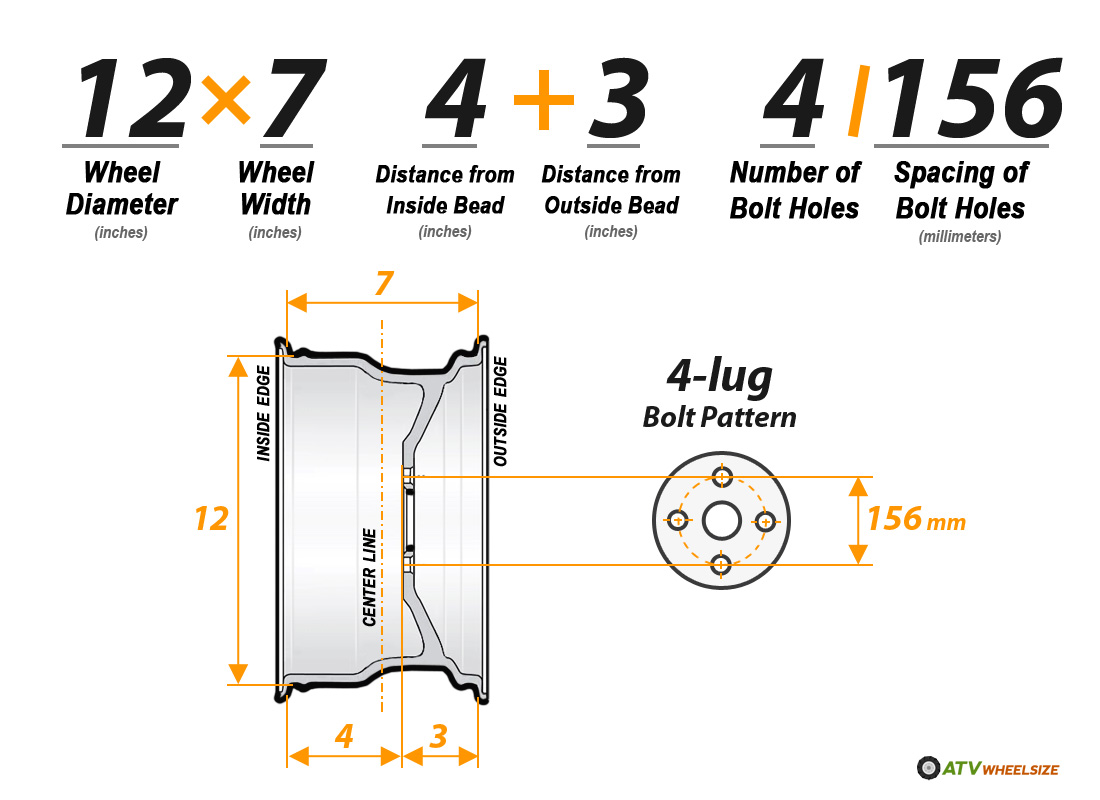
We talk to Lexus IS300 Base owners every day. These are the questions we hear most before they pull the trigger on new wheels.
Will 17×8 / 17×8-inch wheels fit my Lexus IS300 Base? Yes, but fitment depends on width, offset, and tire size working together. A wrong offset means rubbing. A wrong tire size means poor handling. Always verify all three.
Do I need to modify my fenders? That depends on your offset and suspension. A conservative offset with stock ride height usually fits without modification. Go aggressive and you may need to roll or pull your fenders.
Can I daily-drive this setup? Absolutely. Thousands of Lexus IS300 Base owners run 17×8 / 17×8-inch wheels every day. The key is choosing the right tire with enough sidewall to absorb road imperfections.