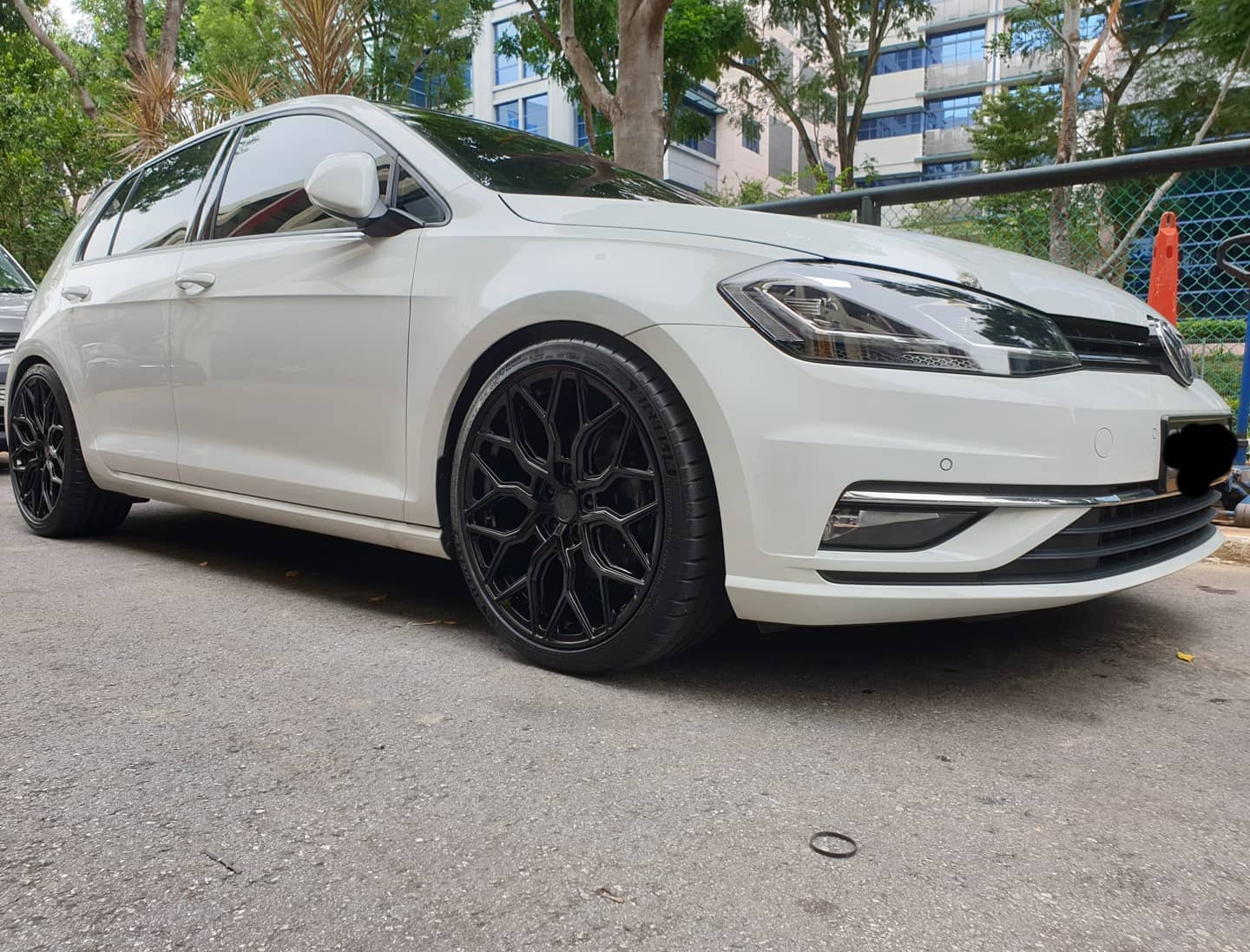
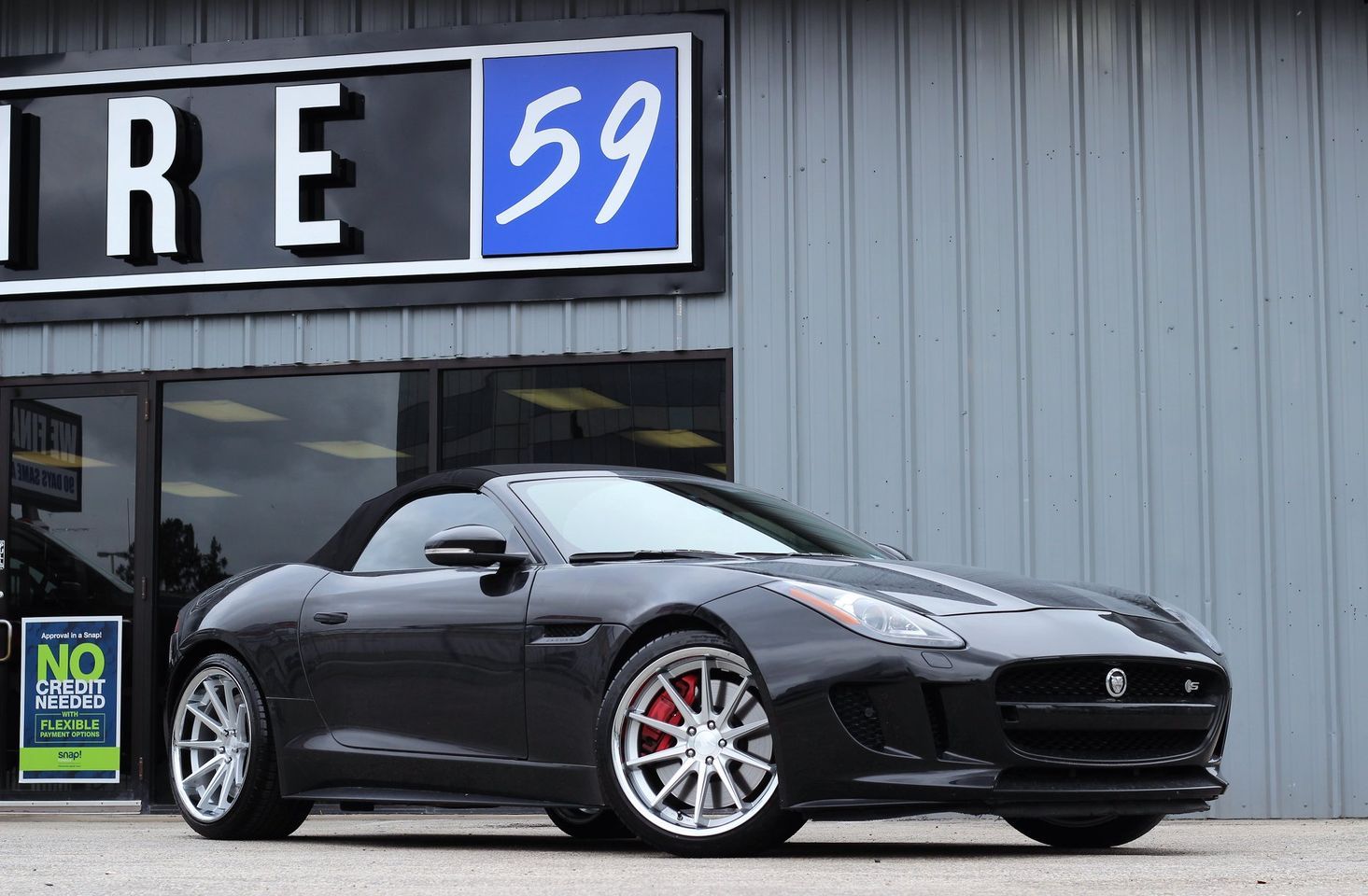
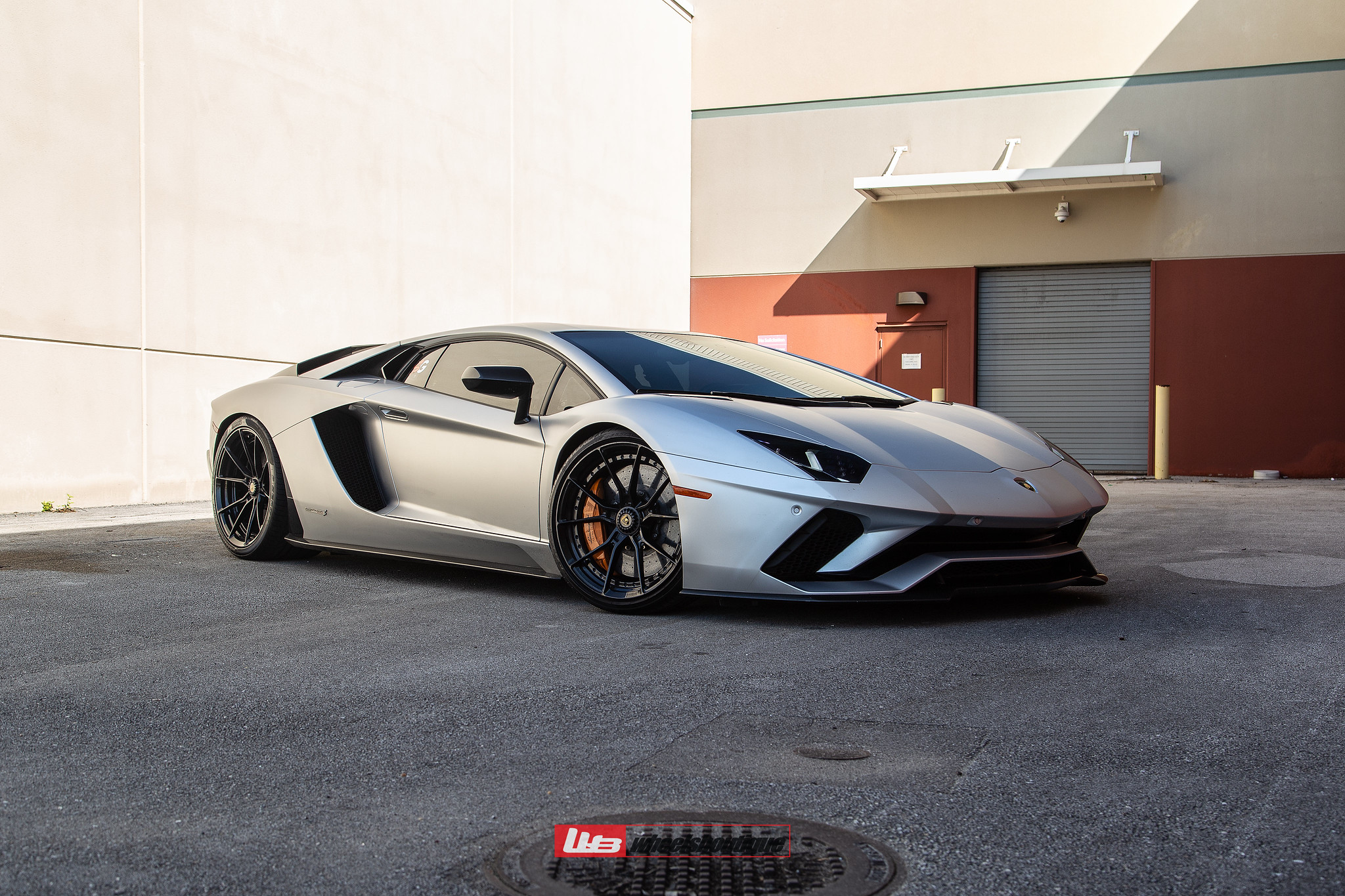
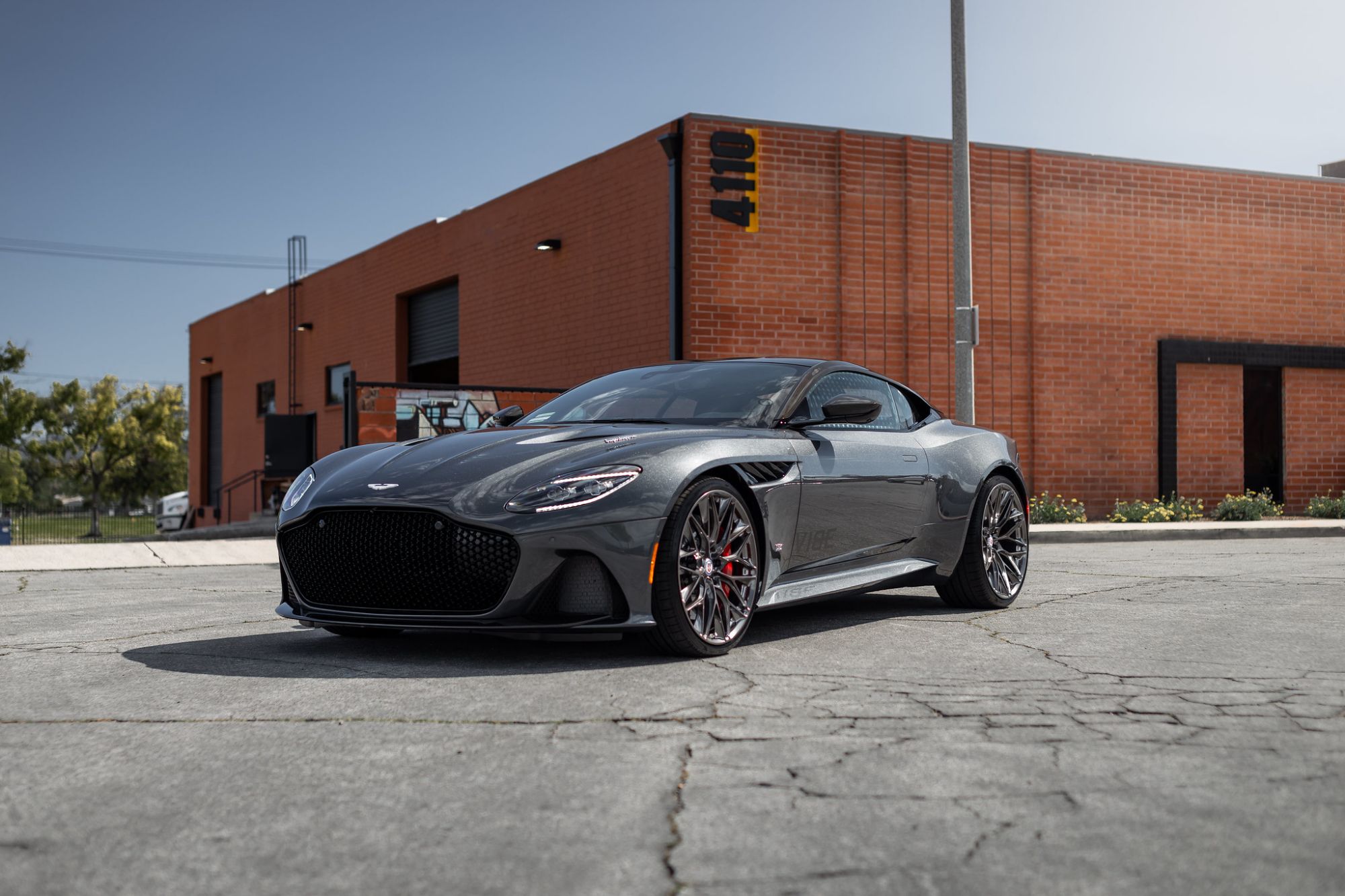
About This Honda Civic Si 2008 Build
We love featuring real builds from real owners. This Honda Civic Si 2008 sits on a set of 17×9 / 17×9-inch Enkei PF01 wheels, and the result speaks for itself.
The owner chose Enkei for a reason. This brand delivers serious quality and a design language that turns heads at every car meet. We see hundreds of Honda Civic Si builds come through WheelFront every month, but this one stands out. The combination of the exterior with the Enkei PF01 creates a look that balances aggression with elegance.

Fitment Breakdown: Enkei PF01 on the Honda Civic Si 2008
I walked around this FA5 yesterday and the fitment immediately grabbed my attention. Running 17x9 wheels all around transforms the look of this 2008 Civic Si. That 45 offset sits right in the pocket for this chassis.
We see a lot of guys struggle with the front hub clearance on the K-series. These Enkei PF01s clear the factory calipers without any drama. You do not need spacers to make these work safely.
That 17-inch diameter is the gold standard for the eighth-gen Civic. It keeps the rotational mass down for better acceleration. Plus, it fills the wheel arch perfectly when you dial in your coilover height.
The 9-inch width adds some serious meat to the contact patch. We noticed the tires sit flush with the fenders without needing massive amounts of camber. It is a clean, functional aesthetic that works on the street and the track.
Watch out for the inner clearance on the front struts. Since we run coilovers, we have more room, but stock suspension might get tight here. Always double-check your coilover collar positioning before you drop the car.

The spoke design on the PF01 is legendary for a reason. It is light, strong, and gives the car a purposeful racing pedigree. The barrel lip depth provides just enough dimension to keep the wheel from looking flat.
You might get a little rub if you go too wide on the tire sidewall. Stick to a 245 or a 255 to keep things clear during hard cornering. This setup hits the sweet spot between aggressive stance and daily drivability.
What We Recommend for Honda Civic Si 2008 Owners
If you want to replicate this look, stick to the square setup. Staggered wheels on a front-wheel-drive platform like this just kill your handling. You want to be able to rotate your tires to keep the car balanced.
The 45 offset is perfect because it keeps the scrub radius manageable. Don't go lower than a 35 offset unless you want to roll those fenders aggressively. Keep it simple and let the wheel design do the talking.
We see way too many guys buy cheap spacers that just cause vibrations. If you buy the right offset from the start, you never need to touch spacers. Quality wheels like these Enkeis are worth every penny of the investment.

Tire choice is just as important as the wheel size itself. A decent 200-treadwear tire makes this whole package come alive in the corners. Don't cheap out on the rubber if you plan on driving this car hard.
A mild fender roll is good insurance if you go with wider tires. It gives you that extra peace of mind when you hit a dip on the highway. Taking your time with the setup makes all the difference in the final result.
Style and Build Analysis
The black finish on these wheels provides a sharp, aggressive contrast against the body paint. It gives the Civic a dark, moody look that demands respect. This is not a flashy build, but it is definitely a purposeful one.
Enkei really nailed the spoke geometry on the PF01 model. It looks like it belongs on a time-attack grid, not just parked at a local coffee shop. The proportions feel balanced from every single angle.
I love how the black wheels hide the brake dust from those aggressive track pads. They look clean even after a heavy weekend of spirited driving. The matte or gloss black choice is always a winner on the FA5 chassis.

Compared to the other Civics we have featured, this one feels the most honest. It does not try to be something it is not with crazy body kits or wild aero. The wheels are the center of the build and they carry the weight of the design.
The stance is tight but not ridiculous. You can tell the owner actually drives this car hard rather than just parking it for photos. It is the perfect blend of form and function for a true enthusiast.
Why We Love This Build
Seeing this Civic Si rolling down the road is a total highlight for me. The black PF01s catch the sunlight just right as the car dips into a corner. It makes the whole machine look like it is ready to hunt down faster cars on the track.
We love the honesty of this build because it focuses on what actually matters. The wheels fill the arches just enough to show off that coilover setup without looking messy. It is a masterclass in how to upgrade a classic JDM platform.
This car stops us in our tracks because it is exactly what an Si should be. It is quick, it looks mean, and it works perfectly on the street. Go get yourself a set of Enkeis and stop settling for stock.

Full Specs Breakdown
Here is exactly what this owner is running. We break down every detail so you can replicate this build or use it as a starting point for your own setup.
- Car Make & Model: Honda Civic Si 2008
- Vehicle Color:
- Wheel Brand & Model: Enkei PF01
- Wheel Size: 17×9 / 17×9
- Offset: 45 / 45
- Wheel Finish: Black
- Tires: Hankook Ventus V12 Evo 2 255/40 25″x10″ / 255/40 25″x10″
- Suspension: Coilovers
Before You Buy: Fitment Checklist
We talk to Honda Civic Si owners every day. These are the questions we hear most before they pull the trigger on new wheels.
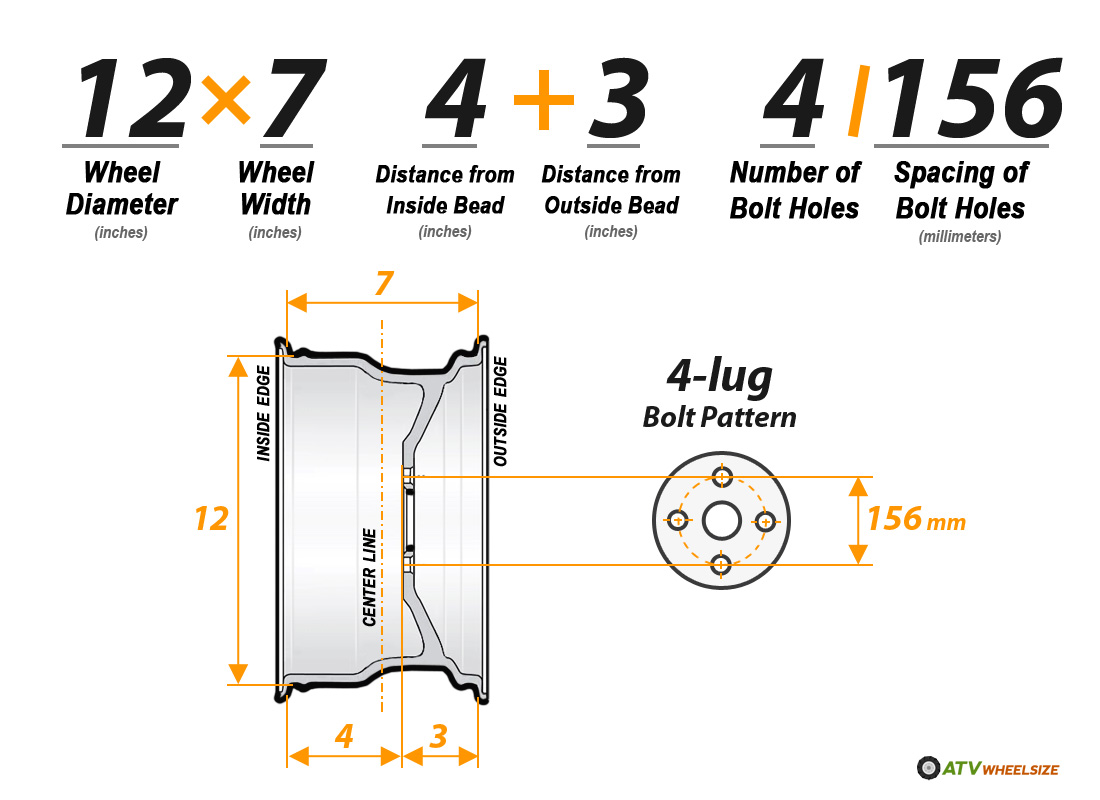
Will 17×9 / 17×9-inch wheels fit my Honda Civic Si? Yes, but fitment depends on width, offset, and tire size working together. A wrong offset means rubbing. A wrong tire size means poor handling. Always verify all three.
Do I need to modify my fenders? That depends on your offset and suspension. A conservative offset with stock ride height usually fits without modification. Go aggressive and you may need to roll or pull your fenders.
Can I daily-drive this setup? Absolutely. Thousands of Honda Civic Si owners run 17×9 / 17×9-inch wheels every day. The key is choosing the right tire with enough sidewall to absorb road imperfections.