About This Mitsubishi Lancer Evolution GSR 2010 Build
We love featuring real builds from real owners. This Mitsubishi Lancer Evolution GSR 2010 sits on a set of 18×10.5 / 18×10.5-inch Kansei Tandem wheels, and the result speaks for itself.
The owner chose Kansei for a reason. This brand delivers serious quality and a design language that turns heads at every car meet. We see hundreds of Mitsubishi Lancer Evolution GSR builds come through WheelFront every month, but this one stands out. The combination of the exterior with the Kansei Tandem creates a look that balances aggression with elegance.

Fitment Breakdown: Kansei Tandem on the Mitsubishi Lancer Evolution GSR 2010
I walked up to this Evo GSR and immediately noticed the stance. Running 18x10.5 Kansei Tandems with a +30 offset all around creates a massive footprint. That width demands serious attention to the factory wheel wells.
The +30 offset pushes these wheels right to the edge of the fenders. On this specific build, the air suspension allows for a perfect tuck when parked. It eliminates that awkward gap we see on stock setups.
Caliper clearance is always the biggest headache on the Evo X platform. These Tandems clear the massive Brembo brakes without needing any spacers. The spoke design arcs out just enough to keep the calipers safe.
The hub bore fits the Mitsubishi platform perfectly, which keeps everything vibration-free at speed. I love the deep, stepped-lip look these barrels provide. It gives the car a muscular, aggressive profile that the stock Enkeis just cannot touch.
You have to watch your fender liners at this width. Even with bags, driving at a lower height means you risk rubbing the inner plastic covers. I suggest rolling the rear fenders if you plan to run wide rubber.
The square 10.5-inch setup changes the way this car handles corners. It adds a ton of mechanical grip compared to the skinny factory wheels. You will feel that extra weight in the steering, but the tradeoff is worth it for the look.

What We Recommend for Mitsubishi Lancer Evolution GSR 2010 Owners
If you want to replicate this look, stick to the 18x10.5 sizing. It is the gold standard for the Evo X platform right now. Anything narrower looks sunken, and anything wider requires way too much bodywork.
Keep the offset between +22 and +30 for the best balance. A +22 will poke a bit more, while the +30 sits flush with the fenders. I always prefer the +30 for a clean, aggressive aesthetic.
Forget about staggered setups on an AWD car like this. Keep your wheel and tire sizes identical at all four corners to save your center differential. Rotating tires becomes much easier when you run a true square setup.
Do not cheap out on tires if you go this wide. A decent 265/35 or 275/35 tire works best to fill the wheel arches properly. Avoid massive stretch unless you want that specific drift-car look.
Watch your alignment specs after you install the new wheels. A little bit of negative camber goes a long way in preventing fender rub. Get a professional shop to dial in your toe settings immediately.
Style and Build Analysis
The Gunmetal finish on these Kansei Tandems is absolutely timeless. It cuts through the visual noise and gives the car a refined, factory-plus vibe. It pairs perfectly with the factory paint without clashing like a loud chrome finish would.

These wheels look like they belong on a track car that also happens to win local shows. The simple, clean spokes emphasize the size of the wheels. It makes the Evo look longer and lower than it actually is.
Compared to the cluttered, multi-piece wheels I see at most meets, this choice is refreshing. The Tandem has a minimalist design that highlights the aggressive lines of the Evo X body. It is a masterclass in clean, functional aesthetics.
Proportions matter more than anything else in wheel fitment. By filling the arches completely, this build gives the car a planted, heavy-duty road presence. It looks ready to attack a mountain pass or sit static in a showcase.
When the sun hits the gunmetal paint, it creates some really deep shadows in the barrels. It draws your eye straight to the center of the wheel. This is the kind of build that makes people stop and pull out their phones.
Why We Love This Build
This Evo X catches the light in ways most modified cars simply can't. The Gunmetal Tandems sit flush with the fenders, turning the car into a solid, aggressive block of steel. When the bags air out, the arches perfectly frame those wide spokes.
I love this build because it feels intentional and refined rather than just loud. It captures the spirit of the Evo heritage while bringing a modern edge to the street. It is the perfect balance of form and function.
You look at this car and you know the owner cares about every single millimeter of clearance. This isn't just another project; it is a vision realized in metal. Go get yourself a set.

Full Specs Breakdown
Here is exactly what this owner is running. We break down every detail so you can replicate this build or use it as a starting point for your own setup.
- Car Make & Model: Mitsubishi Lancer Evolution GSR 2010
- Vehicle Color:
- Wheel Brand & Model: Kansei Tandem
- Wheel Size: 18×10.5 / 18×10.5
- Offset: 30 / 30
- Wheel Finish: Gunmetal
- Tires: Achilles ATR Sport 225/40 25.1″x8.9″ / 225/40 25.1″x8.9″
- Suspension: Air Suspension
Before You Buy: Fitment Checklist
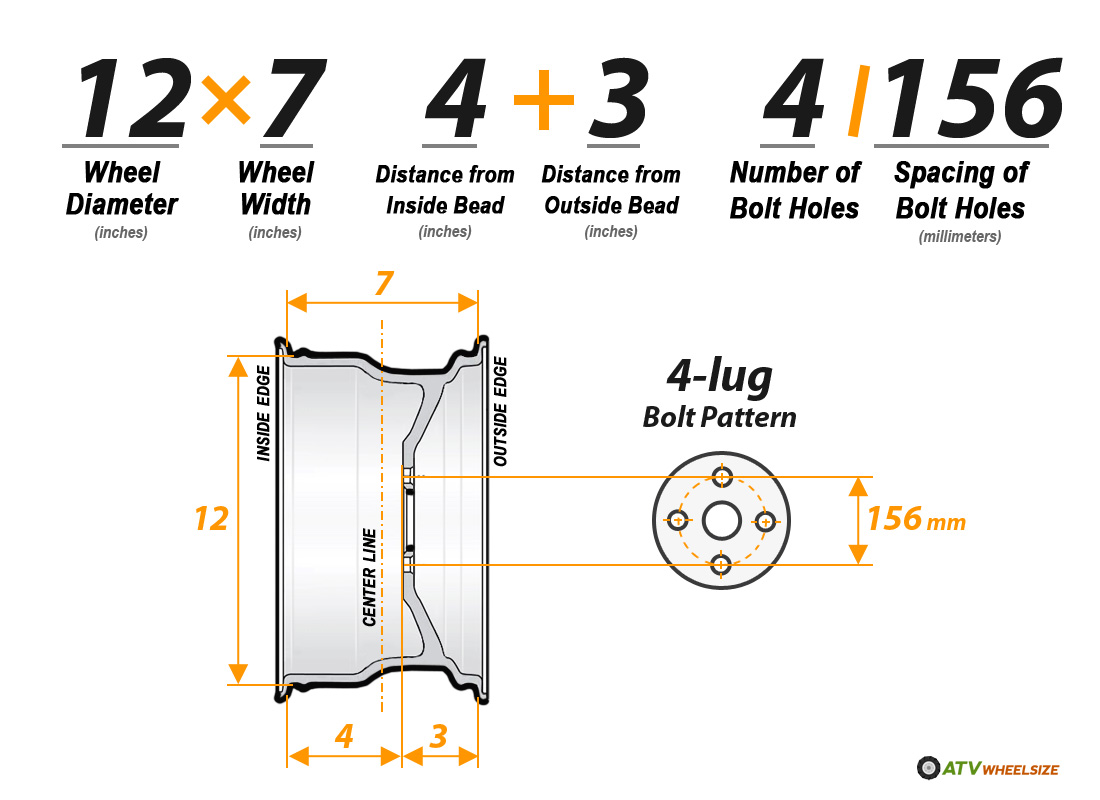
We talk to Mitsubishi Lancer Evolution GSR owners every day. These are the questions we hear most before they pull the trigger on new wheels.
Will 18×10.5 / 18×10.5-inch wheels fit my Mitsubishi Lancer Evolution GSR? Yes, but fitment depends on width, offset, and tire size working together. A wrong offset means rubbing. A wrong tire size means poor handling. Always verify all three.
Do I need to modify my fenders? That depends on your offset and suspension. A conservative offset with stock ride height usually fits without modification. Go aggressive and you may need to roll or pull your fenders.
Can I daily-drive this setup? Absolutely. Thousands of Mitsubishi Lancer Evolution GSR owners run 18×10.5 / 18×10.5-inch wheels every day. The key is choosing the right tire with enough sidewall to absorb road imperfections.