About This Dodge Charger Build
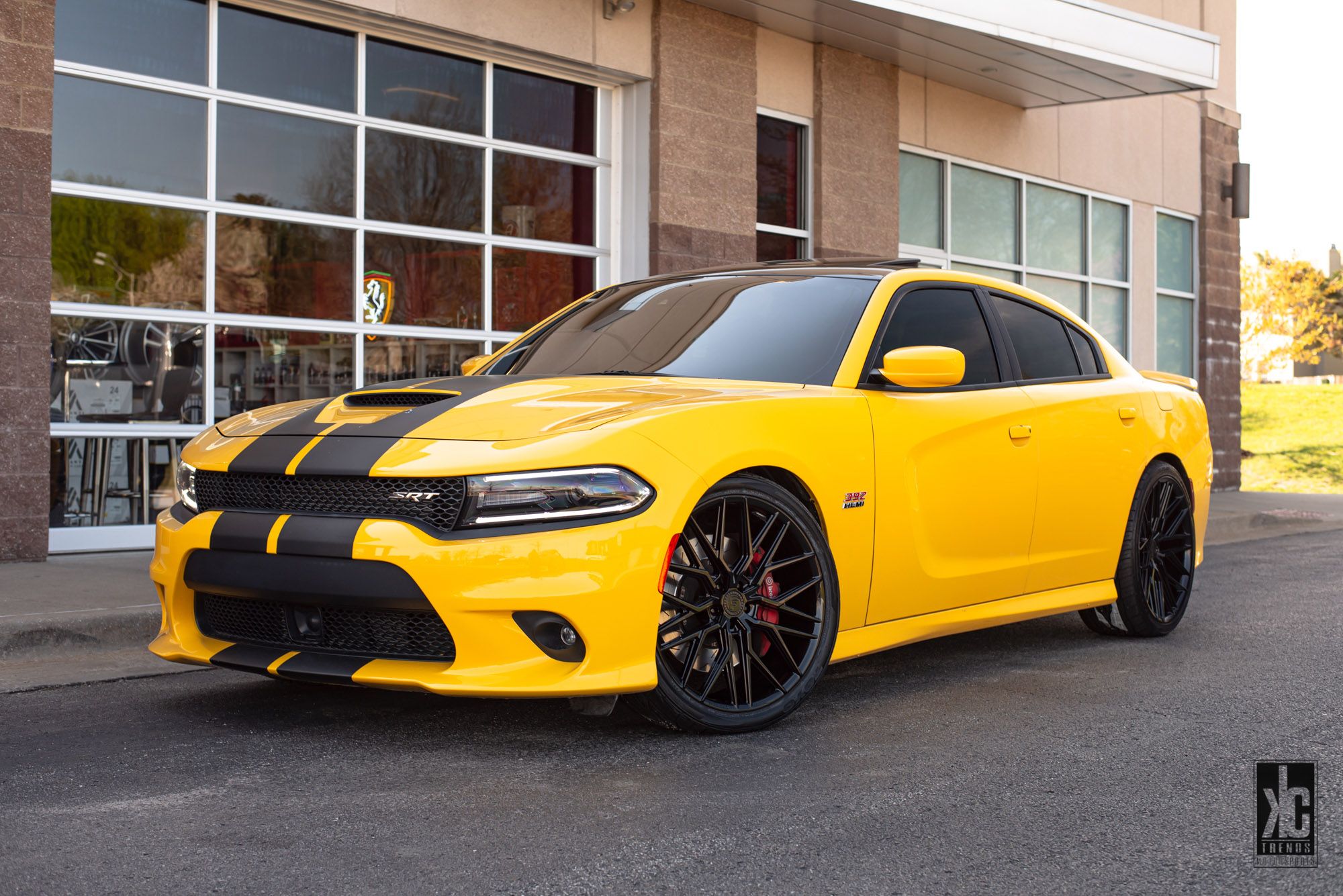
We love featuring real builds from real owners. This Yellow Dodge Charger sits on a set of 22×9 and 22×10.5-inch Forgiato TEC S1 wheels, and the result speaks for itself.
The owner chose Forgiato for a reason. This brand delivers serious quality and a design language that turns heads at every car meet. We see hundreds of Dodge Charger builds come through WheelFront every month, but this one stands out. The combination of the Yellow exterior with the Forgiato TEC S1 creates a look that balances aggression with elegance.
Fitment Breakdown: Forgiato TEC S1 on the Dodge Charger
I walked around this Charger for twenty minutes just to admire the stance. We see a lot of Chargers, but this Forgiato TEC S1 setup hits different. The 22-inch diameter fills those arches perfectly without looking like a cartoon wagon.
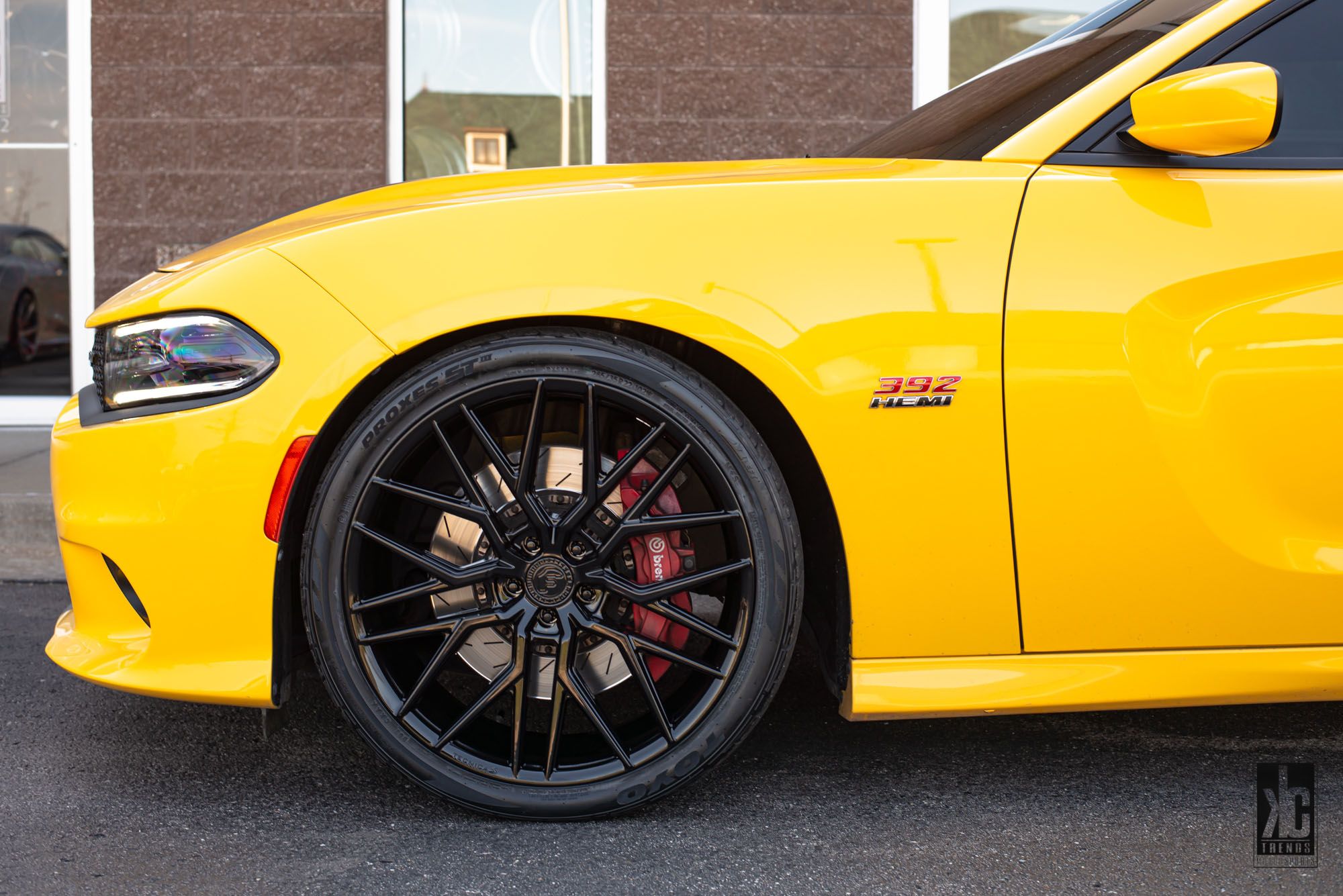
Up front, we have a 22x9 with a +10 offset. That aggressive offset pushes the wheel right out to the edge of the fender. It clears the big factory calipers easily without needing any sketchy spacers.
The rear runs a massive 22x10.5 setup with an +18 offset. This width provides that deep, purposeful dish we all crave. You get plenty of meat on the road to put the power down properly.
We checked the hub bore fitment and it sits dead center on the hub. Forgiatos are custom-built, so you avoid those annoying vibrations from cheap hub rings. The tolerance here is tight and professional.
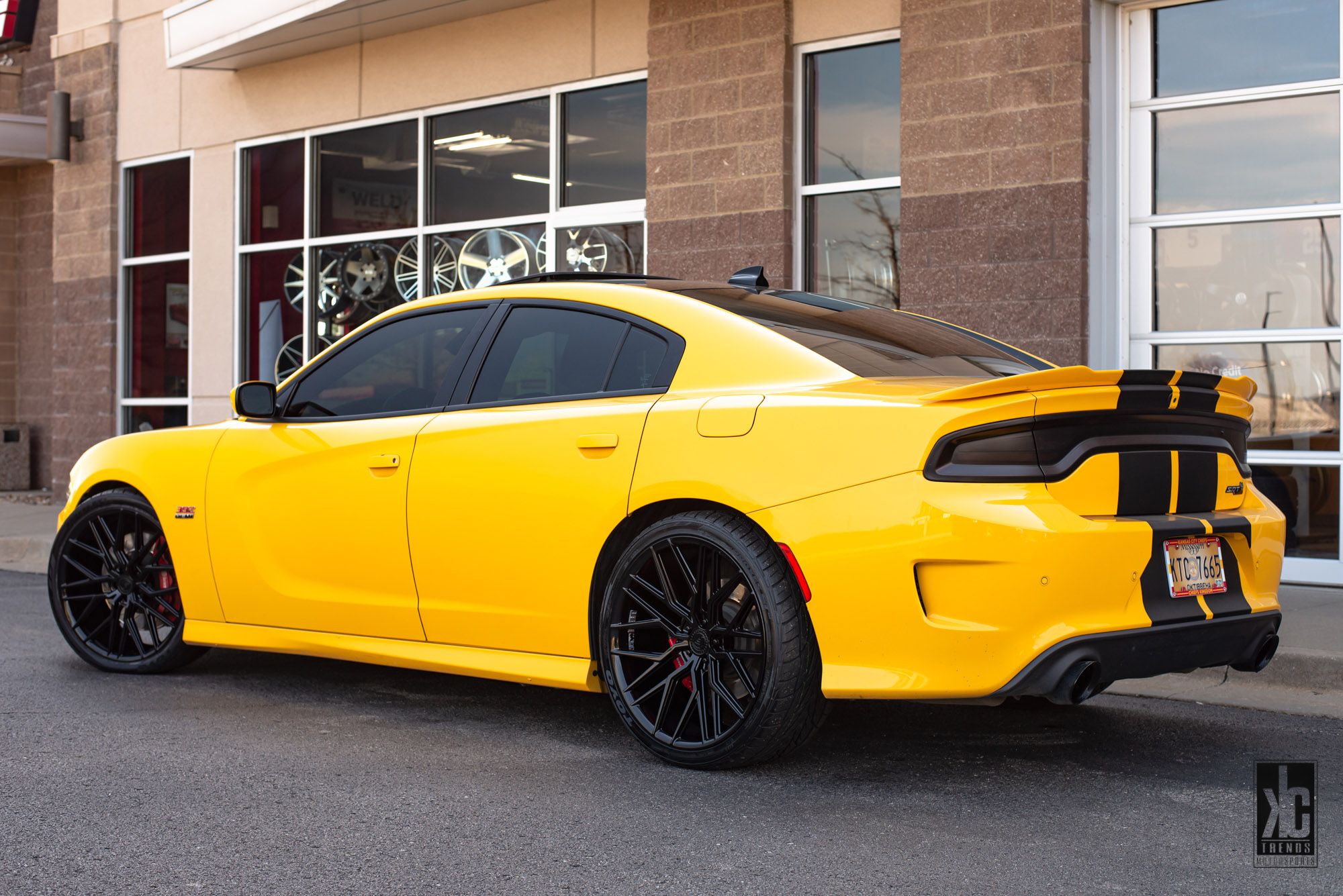
That 265-35-22 front tire keeps the sidewall tall enough to protect the rim from potholes. The rear 295-30-22 tire gives the car a wide, muscular look from behind. It looks like a predator sitting on the pavement.
If you drop this car on coilovers, watch your inner fender liners. You might need a slight roll if you go lower than a one-inch drop. This specific build stays just high enough to avoid rubbing during hard cornering.
The spoke design pulls the eye toward the center of the wheel. It highlights the barrel depth, which really shows off the quality of the finish. Everything about this fitment screams top-tier craftsmanship.
What We Recommend for Dodge Charger Owners
Don't just buy the first set of wheels you see online. For the Charger, we always suggest sticking to a 22-inch diameter if you want that modern, aggressive aesthetic. Anything smaller gets swallowed by the massive wheel wells of these cars.
Offset is the king of your build. Aim for that +10 to +20 range to keep the wheels flush with the body lines. If you go too high, the wheels sink into the fenders and look like a factory economy car.
We always recommend a staggered setup for the Charger platform. The wider rear wheels provide better traction and a much more intimidating profile. It balances the visual weight of the car perfectly.
Avoid excessive tire stretch if you actually drive the car hard. We like the 265 and 295 width combination because it keeps the sidewalls square and sturdy. You get better feedback and a cleaner transition from tire to rim.
Check your suspension setup before you commit to these offsets. If you plan on bagging the car, you need to talk to a pro about inner clearance. A static build like this one works best with a high-quality set of lowering springs.
Style and Build Analysis
The yellow paint on this Charger screams for attention from a block away. Putting Gloss Black Forgiato TEC S1 wheels on it provides the perfect contrast. The dark finish tones down the loud paint just enough to keep it classy.
Gloss black reflects the streetlights and the sun in a way that satin or matte simply cannot. It makes the wheels look like deep, dark portals under the fenders. The sheen matches the aggressive lines of the Dodge bodywork.
Look at the spokes on the TEC S1 design. They have enough complexity to look custom but remain clean enough to not look cluttered. It is a timeless design that works with the modern muscle car shape.
The stance defines the entire character of this machine. It sits low and wide, looking like it wants to hunt down every Mustang in the city. The proportions between the yellow body and the black wheels feel balanced and intentional.
Compared to other builds we feature, this one avoids the over-the-top flash. It relies on high-quality components and perfect fitment to make a statement. You do not need a crazy body kit when your wheels look this good.
Why We Love This Build
I fell in love with this car the moment I saw it roll into the lot. The yellow paint glows under the sun, while those black Forgiatos ground the entire look. It is a masterclass in how to build a modern muscle car that respects the road.
Every time the car moves, the deep lips of the wheels catch the light. You can see the precision of the build in the way the tires sit right against the fender edge. It is exactly the kind of car that makes you turn your head twice.
We see thousands of cars, but this specific Charger sticks in my memory. It brings power, style, and perfect fitment together in one perfect package. Stop dreaming and go build your own masterpiece.
Full Specs Breakdown
Here is exactly what this owner is running. We break down every detail so you can replicate this build or use it as a starting point for your own setup.
- Car Make & Model: Dodge Charger
- Vehicle Color: Yellow
- Wheel Brand & Model: Forgiato TEC S1
- Wheel Size: 22×9 and 22×10.5
- Offset: +10 and +18
- Wheel Finish: Gloss Black
- Tires: 265-35-22 and 295-30-22
Before You Buy: Fitment Checklist
We talk to Dodge Charger owners every day. These are the questions we hear most before they pull the trigger on new wheels.
Will 22×9 and 22×10.5-inch wheels fit my Dodge Charger? Yes, but fitment depends on width, offset, and tire size working together. A wrong offset means rubbing. A wrong tire size means poor handling. Always verify all three.
Do I need to modify my fenders? That depends on your offset and suspension. A conservative offset with stock ride height usually fits without modification. Go aggressive and you may need to roll or pull your fenders.
Can I daily-drive this setup? Absolutely. Thousands of Dodge Charger owners run 22×9 and 22×10.5-inch wheels every day. The key is choosing the right tire with enough sidewall to absorb road imperfections.