


The Manheim Used Vehicle Value Index for July 2026 landed at 210, up 1.3% year over year. A modest number on its own. But buried inside that figure is a split that tells the real story of the American used-car market right now.
Cox Automotive broke the index into two pieces: EVs and everything else. The EV Index hit 211.6, a 10.5% jump compared to July 2025. The Non-EV Index? Up 0.4%.
That gap is not subtle. It is a canyon.
Regular unleaded gasoline averaged just under $4.10 per gallon as of July 30, according to AAA. That is 30% higher than a year ago and 6.5% more than a month earlier. Every spike at the pump pushes more buyers toward battery-electric vehicles on dealer lots.
The federal tax credit for new EV purchases expired September 30, 2025. That killed a $7,500 incentive that had been steering buyers toward new models. Without it, the price gap between new and used EVs widened, and shoppers did what shoppers always do. They went looking for a deal.
Used EVs became the deal.
Jonathan Gregory, senior director of economic and industry insights at Cox Automotive, said gas prices have “kept demand for used EVs firm even as the broader market cools.” That phrasing is worth lingering on. The broader market is cooling. Used EVs are not.
The seasonally adjusted average wholesale price across all used vehicles was $19,206 in July, up 1.3% year over year. That number blends the hot EV segment with the tepid non-EV segment, masking how aggressively battery-electric values have climbed. Dealers paying attention to the split, rather than the headline number, are seeing an opportunity that has been building for months.
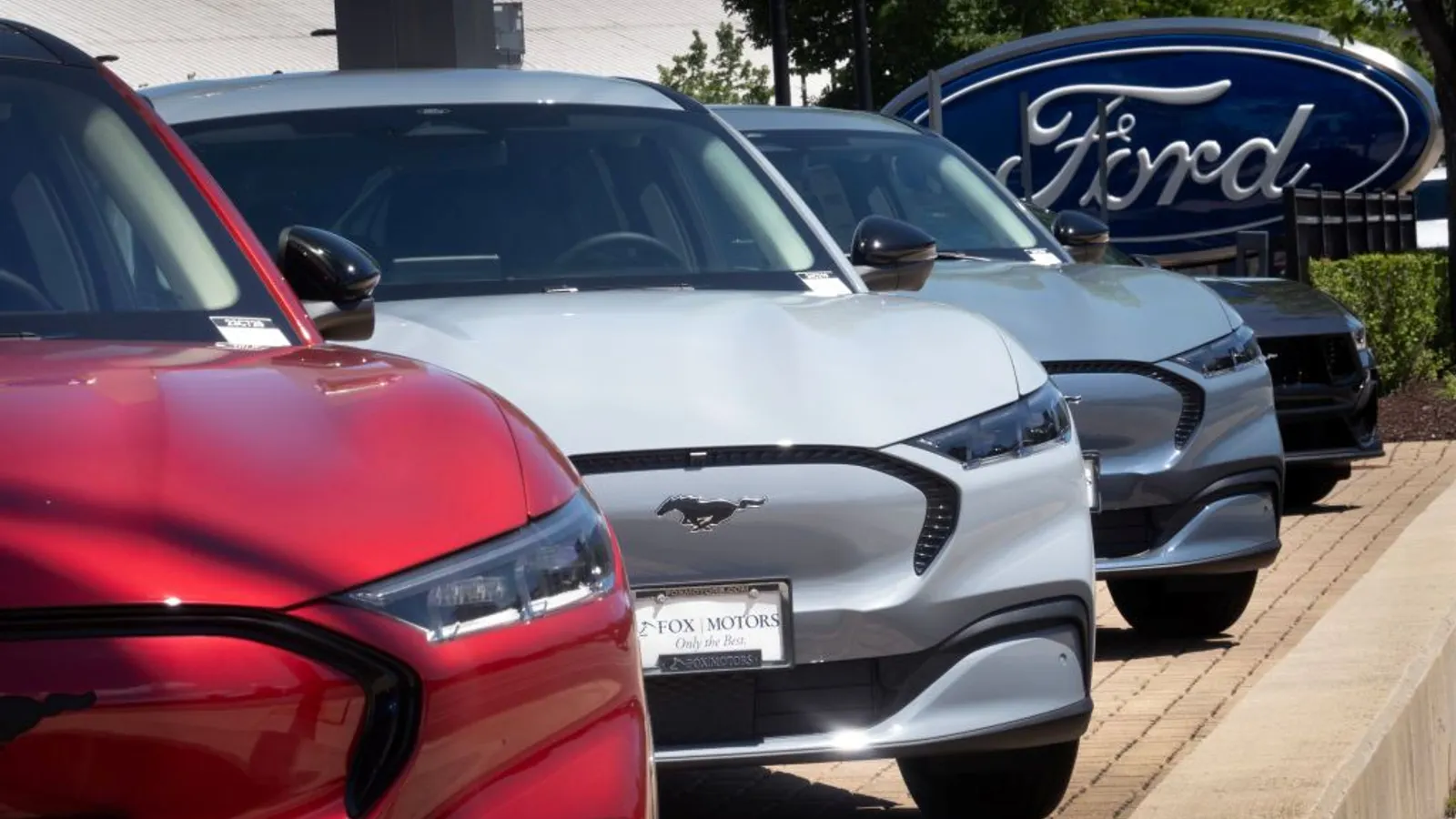
This matters for the flood of off-lease EVs hitting the market. Early lease deals on models like the Ford Mustang Mach-E, Chevrolet Equinox EV, and various Tesla variants created a wave of returns that many expected would crater used EV prices. It hasn’t happened. Demand absorbed the supply, and rising gas prices gave it a tailwind nobody could have scheduled.
Cox Automotive’s EV Index counts only battery-electric vehicles. Hybrids and plug-in hybrids are excluded. So the 10.5% year-over-year gain reflects pure EV demand, not the broader electrification trend that includes vehicles still tethered to a gas engine.
Two years ago, used EV depreciation was the industry’s favorite horror story. Residual values collapsed. Dealers took losses. Consumers who bought early watched their equity evaporate.
Now the data says otherwise. Gas at $4.10. No federal tax credit on new models. A wholesale index climbing at ten times the rate of conventional vehicles.
The question dealers are weighing is whether this is a durable shift or a price-spike sugar rush. If gas eases back toward $3.00, the math changes fast. But July’s numbers suggest the used EV market has found a floor, and for now, it is rising.


Share this Story