
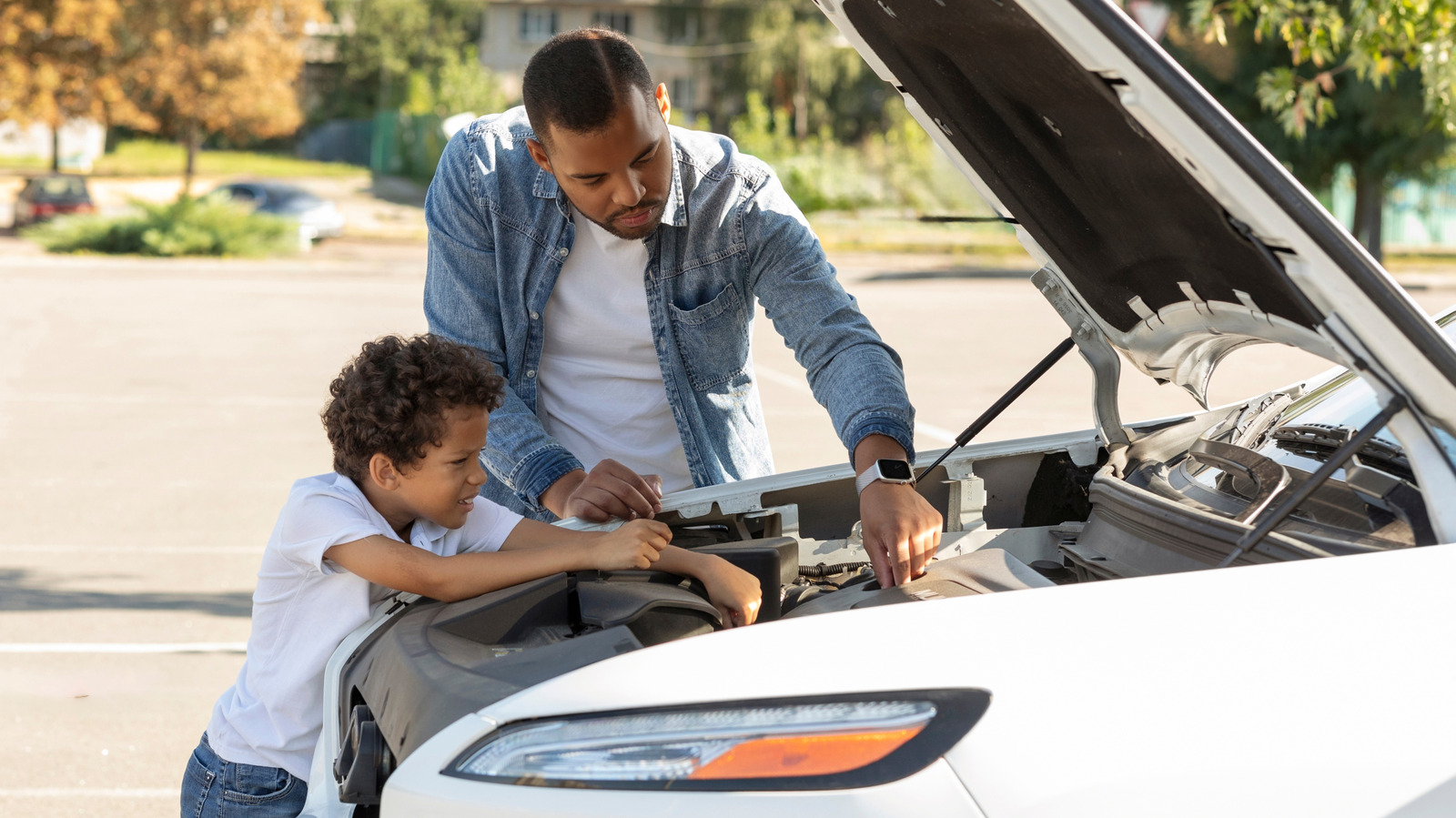


Jerry Weston Jr. spends his days teaching high schoolers collision repair in Flint, Michigan. After hours, he’s handing screwdrivers to kindergartners.
Weston runs an afterschool program for children between five and 13 years old, introducing them to painting, polishing, dent removal, and even virtual reality spray booths. All in the name of filling a workforce gap that’s growing faster than anyone in the collision repair industry wants to admit.
“I have to go through a whole lesson on screwdrivers — the different types and how to use them,” Weston told Automotive News. Kids arriving in his shop don’t know a Phillips from a flathead. That’s not an insult. It’s a diagnosis.
The collision repair industry is bleeding technicians. Older workers are retiring. Younger ones aren’t showing up. And the pipeline that’s supposed to feed skilled labor into body shops across America has been dry for years, starved by decades of cultural messaging that a four-year degree is the only respectable path forward.
A survey by CCC Intelligent Solutions and the Collision Repair Education Foundation found that 77 percent of respondents wish they’d known earlier about career paths outside a traditional college track. That’s a staggering number of people who feel they were sold one story when another — steadier, more financially promising — was sitting right there in the shop bay.
The work itself has changed dramatically. Collision repair in 2026 bears little resemblance to the hammer-and-Bondo shops of a generation ago. Modern cars are rolling sensor platforms. A cracked windshield now triggers recalibration of forward-facing cameras, radar units, and driver-assistance systems. Frame straightening still matters, but so does fluency with diagnostic software and ADAS technology.
That shift could actually work in the industry’s favor. The same CCC survey showed that 95 percent of respondents said they’d be more interested in collision repair careers if they knew the work involved advanced software tools. The stereotype of a grease-stained wrench turner is outdated, and the industry knows it.
Weston is betting that catching kids before those stereotypes harden is the key. He puts VR headsets on elementary schoolers and lets them spray virtual paint without fumes or material costs. “It’s one thing to tell somebody what painting is,” he said. “But if I can put a headset on a student and let them actually do it, that really gets them excited.”
It’s a clever approach, and a necessary one. American culture spent two decades devaluing trade skills. We stopped fixing things. Manufacturers made products that couldn’t be repaired.
Parents who never held a wrench raised kids who never saw one. The disposable economy didn’t just fill landfills — it emptied shop classrooms.
The collision repair shortage doesn’t grab headlines the way the broader mechanic shortage does. Body work is invisible until you need it. But the volume of crashes hasn’t declined, vehicle complexity has skyrocketed, and the average repair bill keeps climbing precisely because there aren’t enough qualified hands to do the work.
Weston isn’t going to fix a national labor crisis from an afterschool program in Flint. He knows that. But he’s planting seeds in five-year-olds who might, a decade from now, choose a career path that pays well, offers advancement, and doesn’t saddle them with six figures of debt.
College produces the engineers who design the cars. Somebody still has to put them back together after they hit a guardrail. Right now, there aren’t enough somebodies, and the gap is widening. One instructor in Michigan decided the solution starts before kids can even reach the workbench without a step stool.






Share this Story