
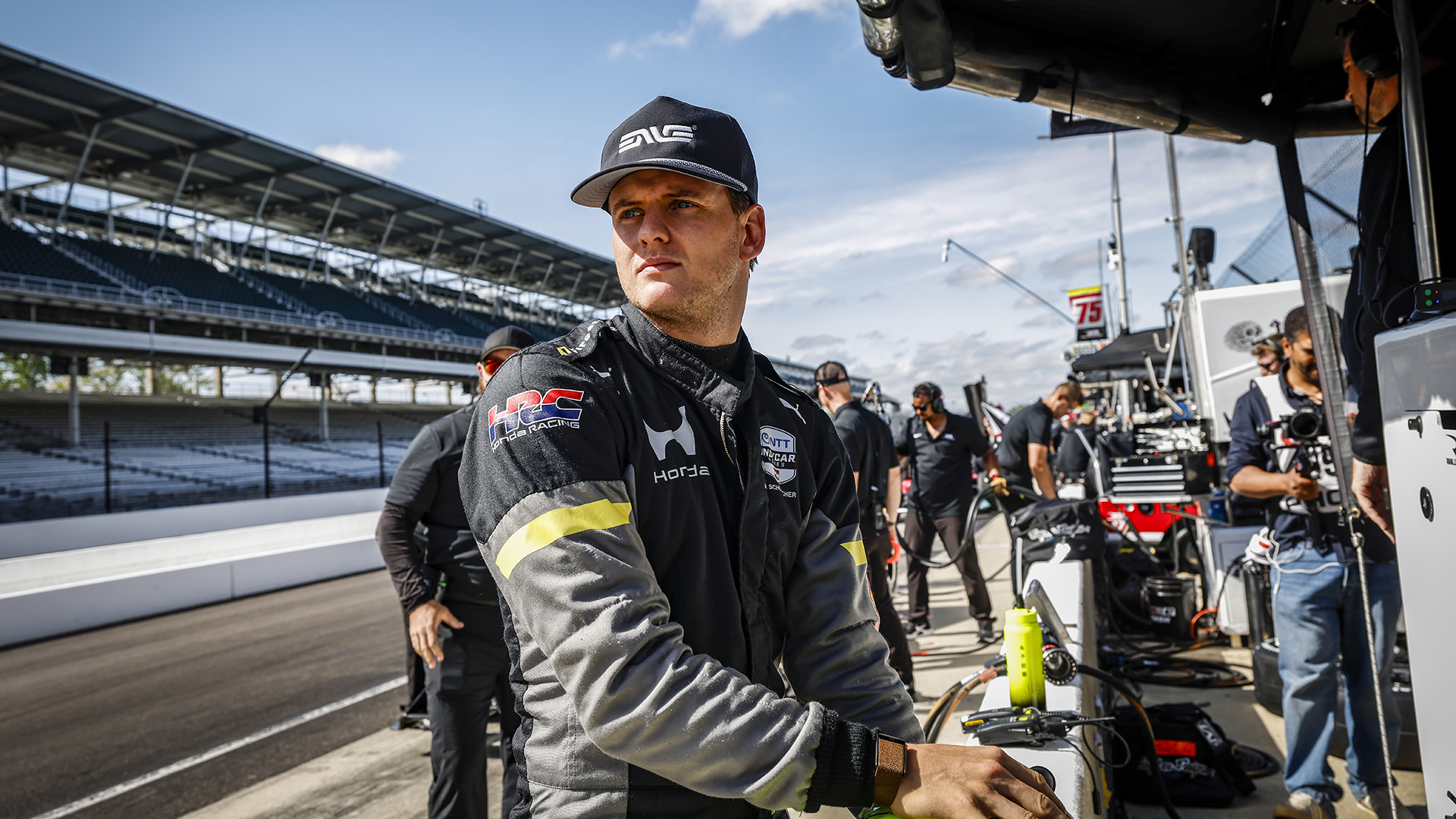


Mick Schumacher drives an hour and a half to buy groceries. He lives on a family ranch in rural North Texas, borrows his sister’s car, and spends his weekends golfing or hanging out with his dog. Four years ago, he was in Formula 1. The distance between those two realities tells you everything about where the 26-year-old’s head is at right now.
In a revealing interview with The Drive at the Acura Grand Prix of Long Beach, the son of seven-time F1 champion Michael Schumacher laid out a life that looks nothing like the gilded European motorsport circuit he grew up in. He’s five races into his rookie IndyCar season with Rahal Letterman Lanigan Racing, preparing for his first Indianapolis 500, and by all accounts genuinely happy about it.
That last part is the story.
Schumacher won the F2 championship in 2020 and graduated to F1 with Haas in 2021. Two brutal seasons followed — a dysfunctional team, relentless comparisons to his father, inconsistent results. Haas dropped him after 2022.
He spent 2023 warming a seat as a reserve driver for McLaren and Mercedes, the kind of purgatory that has swallowed plenty of talented drivers whole.
The easy move would have been to keep orbiting F1, leveraging the Schumacher name, waiting for a callback that might never come. Instead, he left. He raced sportscars in the World Endurance Championship with Alpine, earned podiums at Le Mans, and then pivoted again — this time to IndyCar and a Honda-powered ride with RLL.
He broke his wrist in a pileup at the season opener in St. Petersburg. He finished 17th at Long Beach. The results are modest. The attitude is not.
“It feels almost like back to the roots of go-karts, where it’s very one-on-one and very old-school,” Schumacher said of the IndyCar paddock. He’s embracing the accessibility that defines American open-wheel racing — no state troopers required to walk to the bathroom, fans who back off when you ask politely. It’s a smaller stage, and he seems to prefer it.
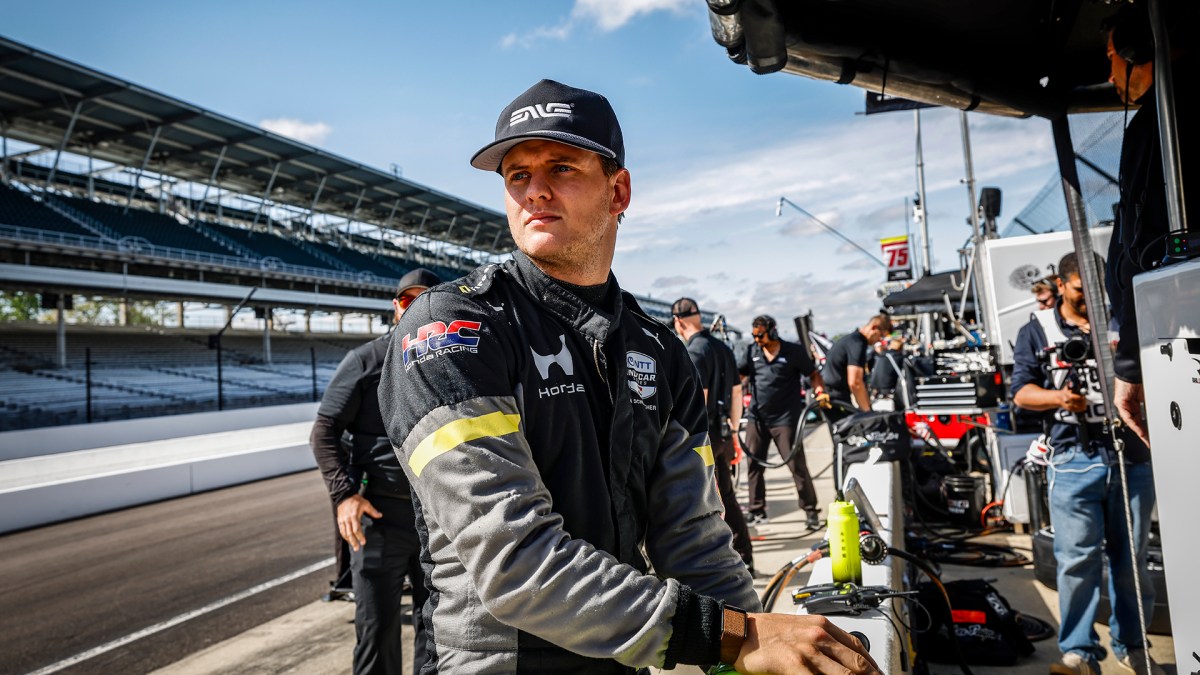
The most striking moment came when he was asked about the weight of his last name. Marco Andretti, another driver burdened by motorsport royalty, recently admitted the pressure of legacy often sucked the joy out of racing. Schumacher — who has historically deflected questions about his father — answered directly.
“There’s never been any pressure to do exactly what he did or to try to beat him,” he said. He described a father who deliberately stepped back, letting young Mick work with his own mechanic in karting rather than hovering over every session. He wanted to step away from it and say, ‘Yeah, I’ll support you wherever you need, but I’ll be having my fun on another racetrack while you’re doing your work.’
It’s a remarkably honest answer from someone whose family story includes both unprecedented triumph and devastating tragedy. Michael Schumacher’s 2013 skiing accident and the family’s fierce protection of his privacy have made any conversation about the father a minefield. That Mick engaged at all — and did so with such clarity — signals a driver who has finally stopped running from the comparison and simply moved past it.
He’s also not romanticizing the Indianapolis 500 the way organizers might prefer. Asked whether the magnitude of the race had sunk in, he was refreshingly blunt: “I don’t like the thought of making one race a one-event championship.” Every race should draw those crowds, he argued, because “what we do is amazing.”
Meanwhile, he’s connected with Honda Racing Corporation’s David Salters, who worked on Michael Schumacher’s Ferrari during his final F1 season. The circles close in unexpected ways.
Back in Texas, Schumacher recently bought an FIA-spec drift car — an HGK E92 with an LS7 stuffed in it. He takes a Sprinter van into the Swiss mountains with his dog when he’s home in Europe. He still doesn’t own a car in America.
He’s 26 years old, five races into a career reset on a continent where his last name opens fewer doors and carries less baggage. That appears to be exactly the point.

Share this Story