


The Department of Transportation is expected to finalize drastically weakened fuel economy standards today, rolling back Corporate Average Fuel Economy targets to near-2022 levels. Automakers would need annual efficiency gains of just 0.25% to 0.5% through 2031. The Biden administration had demanded increases of 8% to 10% per year.
The math is stark: a fleetwide average of 34.5 mpg by 2031 versus the 50.4 mpg the previous administration had charted. The government’s own estimate says cheaper-to-build, thirstier vehicles will save buyers roughly $930 on average per new car purchase.
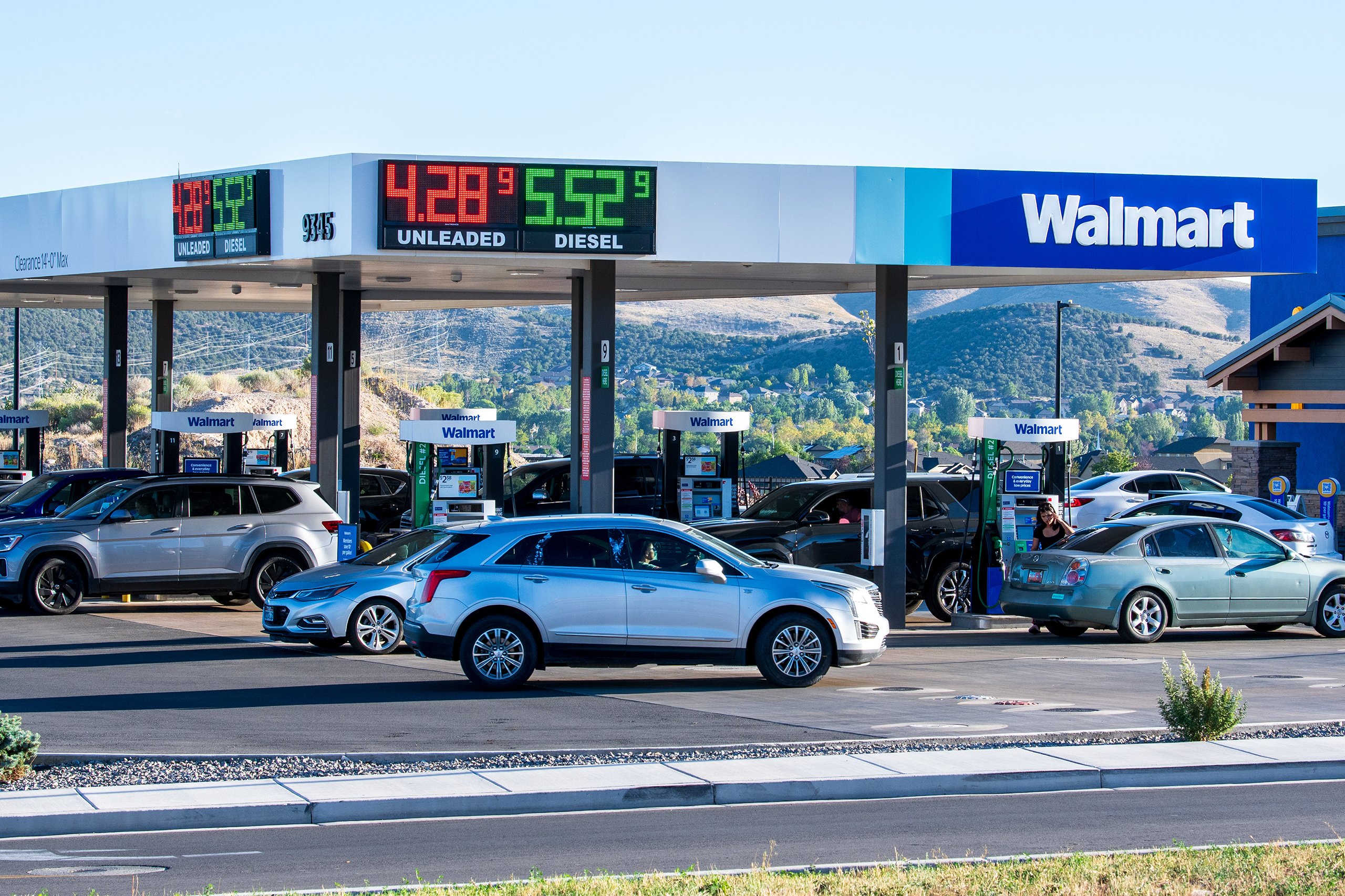
But that number evaporates fast. Experts project the typical car-owning American will spend an additional $500 to over $800 on gasoline in 2026 alone under the relaxed standards. Buy the car, save a grand, then watch it drain out through the fuel filler neck within a year or two.
This is the core absurdity of framing a regulatory rollback as consumer relief. The sticker price drops, yes, because production costs fall when automakers don’t have to engineer for efficiency. But ownership costs are a different animal entirely.
Americans keep cars for an average of nearly seven years now. Over that span, the fuel penalty compounds in ways that make the upfront discount look like a rounding error.
Automakers lobbied hard for looser standards during the first Trump term and found a receptive audience again. Building trucks and SUVs with existing powertrains is vastly more profitable than investing in electrification or advanced combustion engineering. The rollback doesn’t just ease compliance pressure — it removes the financial incentive to innovate on efficiency at all, at least for the domestic market.
The timing cuts in a particular direction. U.S. new-vehicle sales have declined through 2026, and tariff uncertainty has already rattled supply chains and pricing strategies. A regulatory gift that lowers production costs could help margins, but it does nothing to address the demand problem. People aren’t avoiding showrooms because cars get too many miles per gallon.
Meanwhile, the rest of the world keeps tightening. European and Chinese efficiency and emissions targets continue to ratchet upward. Global automakers will still have to build cleaner vehicles for those markets. The question is whether the American market becomes a dumping ground for the least efficient versions of global platforms, or whether manufacturers build to the highest common standard and let the U.S. benefit by default.
History suggests a messier outcome. When standards were relaxed in the early 2000s, Detroit doubled down on large SUVs and full-size trucks, then got blindsided when gas prices spiked in 2008. Two of the Big Three ended up in bankruptcy. The lesson, apparently, did not stick.
Ford has other problems this week. F-150 production at the Dearborn Truck Plant was suspended Thursday and isn’t expected to resume until Tuesday, with no public explanation. The company also issued a recall for roughly 11,400 Rangers over malfunctioning center displays and rearview cameras.
The $930 savings will make for a clean talking point. Whether it survives contact with a gas pump is another question, and one the administration seems content to let buyers answer on their own.


Share this Story