
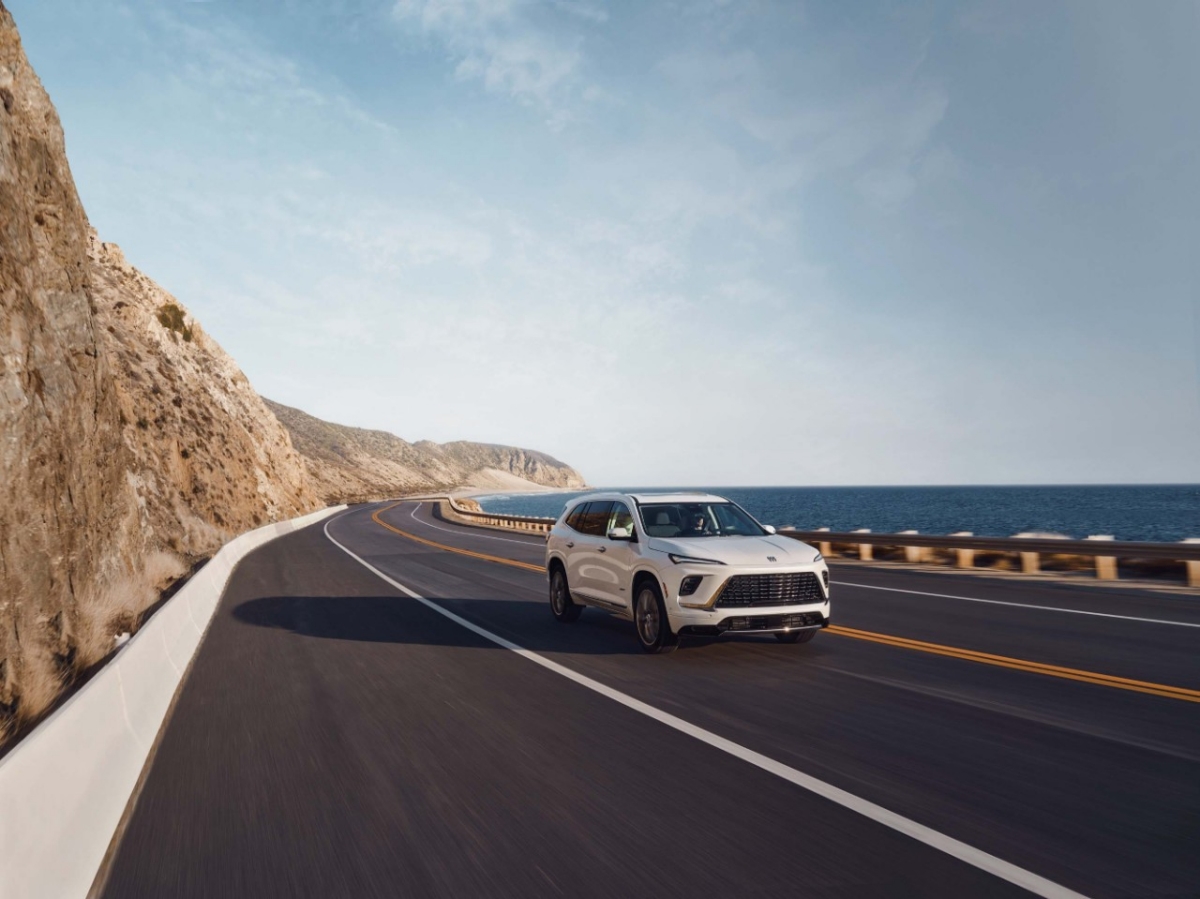


For the second consecutive year, Buick — a brand most Americans forget exists — topped every mass-market nameplate in the J.D. Power 2026 U.S. Vehicle Dependability Study. Not Toyota. Not Honda. Not Subaru. Buick, with its four-SUV lineup and a score of 160 problems per 100 vehicles, finished second overall behind only Lexus at 151.
Let that sit for a moment. A General Motors brand that sells fewer models than most competitors have trim levels is quietly building the most dependable mainstream vehicles in America.
The study, now in its 37th year, surveyed 33,268 owners of 2023 model-year vehicles about problems experienced over three years of ownership. The industry average climbed to 204 problems per 100 vehicles, worse than the prior year. Infotainment systems remained the biggest headache at 56.7 problems per 100 cars, followed by exterior issues at 27.5.
GM didn’t just win the brand race. It swept category hardware. Four GM vehicles topped their segments: the Cadillac XT6 in upper midsize premium SUVs, Chevrolet Equinox in compact SUVs, Chevrolet Tahoe in large SUVs, and Buick Enclave in upper midsize SUVs.
Eight more GM models placed second or third, including the Silverado, Blazer, and GMC Sierra. Chevrolet grabbed third place among mass-market brands. Cadillac took second among premium nameplates — that is a company-wide performance, not a single-model fluke.
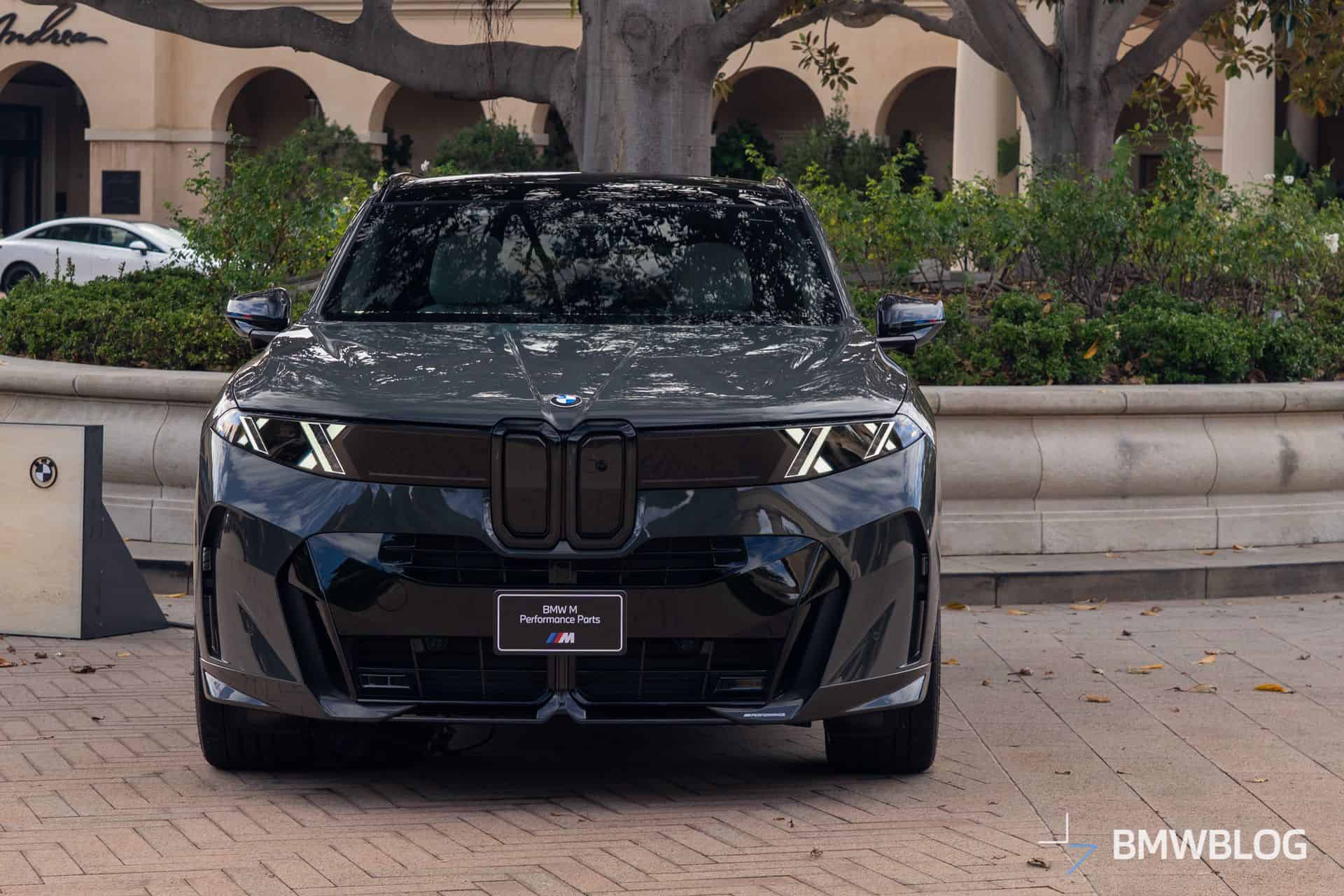
The Buick story is particularly strange because the brand barely registers in American showroom traffic. Its entire U.S. portfolio consists of four SUVs, and only one of them — the Enclave — is actually assembled in this country, at GM’s Lansing, Michigan plant. The Envision comes from China, though the next generation will move to Kansas City on the Equinox platform.
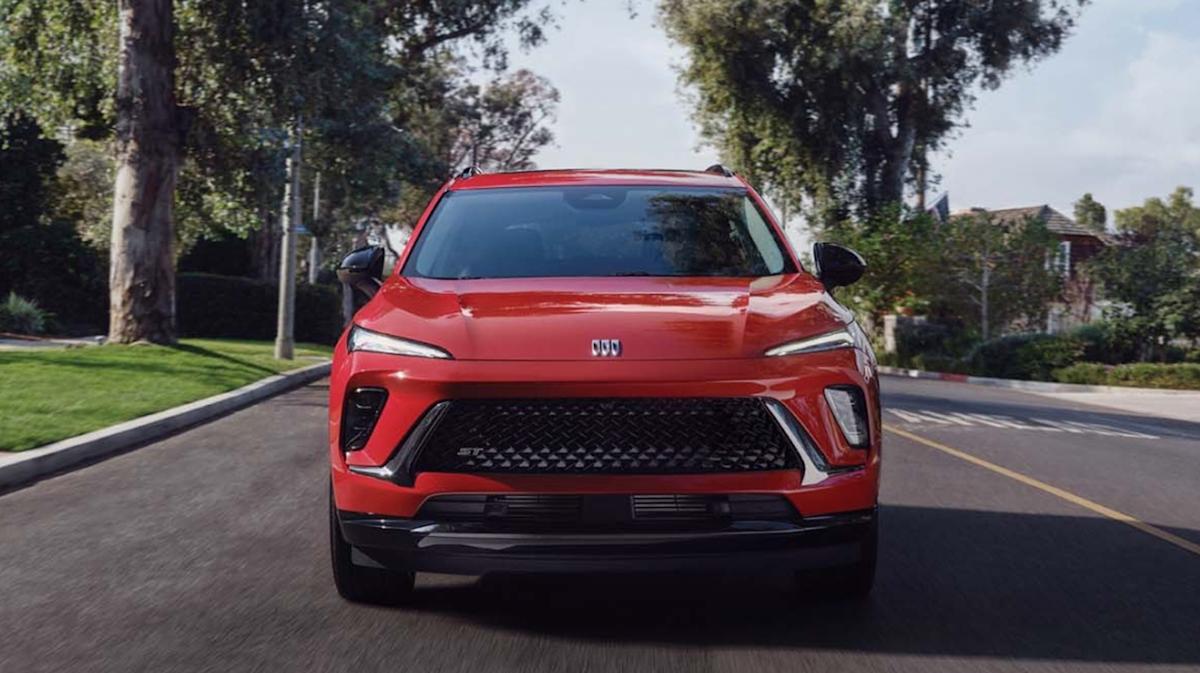
Pricing starts at $26,495 for the Envista and tops out with the Enclave Avenir well north of $50,000. These are not exotic machines. They are grocery-getters and school-run haulers that happen to be engineered with fewer things going wrong.
One of the study’s more damning findings had nothing to do with Buick. J.D. Power reported that among owners who received over-the-air software updates in the past 12 months, only 27 percent noticed any improvement. Fifty-eight percent saw no difference at all.
The industry is pushing connected-car technology as a selling point while consumers increasingly see it as background noise — or worse, a source of new problems.
GM Vice President of Global Quality Marcos Purty offered the standard corporate line about using third-party data alongside internal metrics. “We use these insights, alongside our internal data, to understand where we’re delivering for customers and where we must continue to improve,” he said.
The real story is less about what GM says and more about what the data reveals. While competitors pour billions into electrification branding, software-defined vehicle architectures, and subscription services, the vehicles Americans actually keep for three years and judge on lived experience are disproportionately wearing GM badges.
Dependability is not glamorous. It does not generate viral moments or breathless launch events. It shows up in the absence of complaint — in three years of doors that close properly, screens that do not freeze, and paint that holds up.
Buick has now repeated this feat in back-to-back years with a lineup so small it could fit on a single dealer lot. The brand most likely to be left off a consumer’s shopping list is the one least likely to send them back to the service department. That disconnect between perception and performance is GM’s biggest problem — and, paradoxically, its strongest proof of execution.

Share this Story