
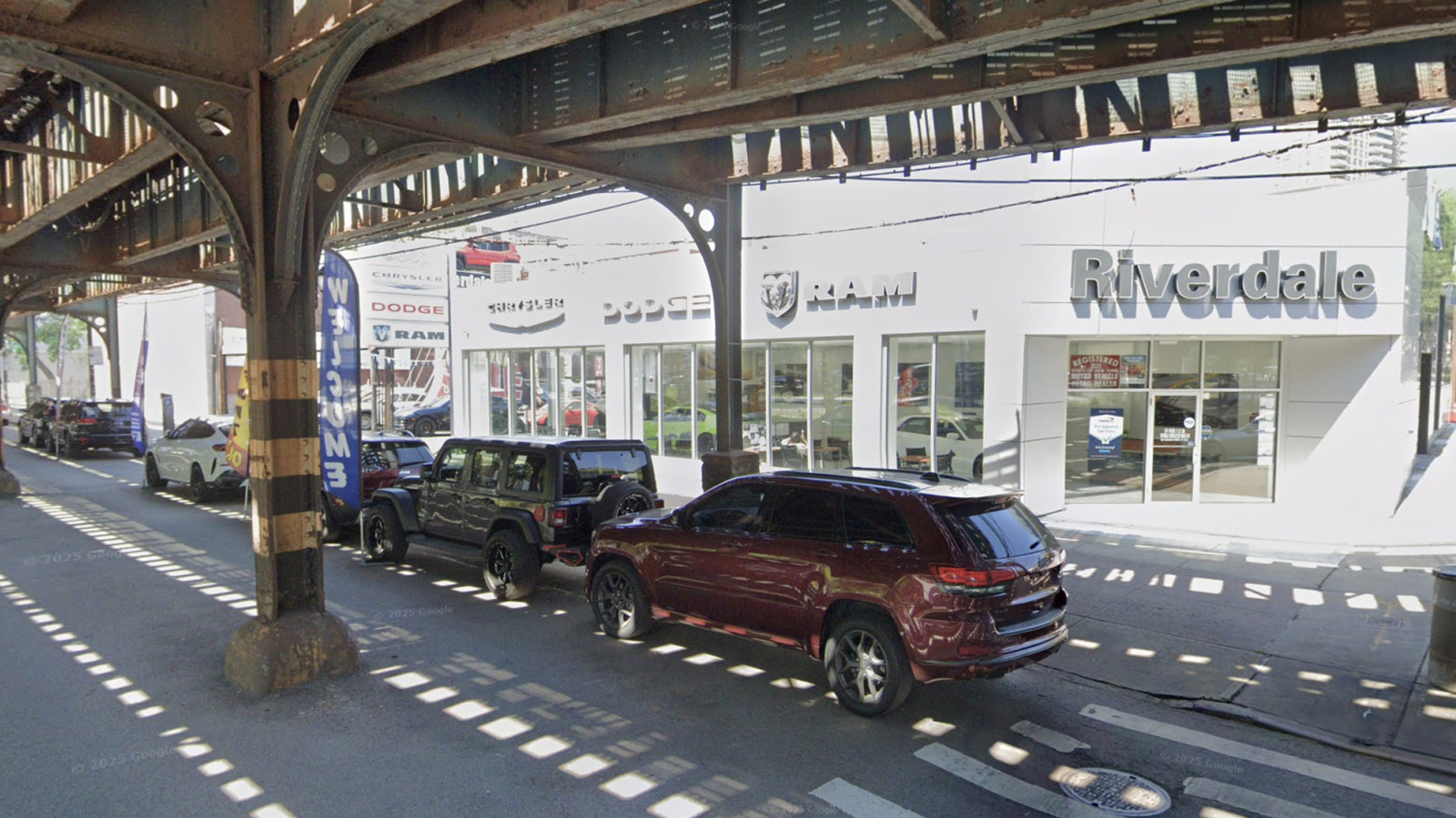


Louis Huertas thought he was buying a new Jeep Grand Cherokee L with 13 miles on the clock for $49,000 cash. He drove it home from Riverdale Chrysler Jeep Dodge Ram in the Bronx. That same day, GM Financial called him about a “discrepancy.”
The odometer read 6,216 miles.
That phone call cracked open what a federal lawsuit now describes as a layered scheme involving inflated pricing, unauthorized add-ons, and forged digital signatures. The complaint, filed March 23 in U.S. District Court for the Southern District of New York, paints one of the uglier dealer fraud allegations to surface in recent memory.
According to the suit, Huertas had agreed to trade in his old Grand Cherokee, with the dealer promising 20 percent over market value and payoff of his $25,116 loan balance. The new vehicle was supposed to cost $49,000. He signed every document with a pen and left the lot without copies of his paperwork.
When he finally reviewed the sales contract, the cash price had climbed to $51,400. Tacked on were a $3,882 service contract and a $1,000 tire and rim protection plan, neither of which he authorized. Total unauthorized charges approached $7,300 over what he believed he’d agreed to.
Then came the forgery allegation. Huertas says the only document he signed electronically was a credit application. Yet a digitally signed sales contract appeared with his name on it, one he never signed, according to the lawsuit. The complaint goes further, alleging the dealership “routinely hides the true cost of borrowing from its customers” and “routinely” forges digital signatures to conceal inflated financing amounts.
That word — routinely — is doing heavy lifting. If more customers surface with similar stories, this stops being one bad transaction and starts looking like a business model.
GM Financial is named as a co-defendant, not because anyone alleges it orchestrated the deal, but because it purchased the loan as assignee. Under federal law, that makes it liable for the contract’s terms. The more uncomfortable question for GM Financial is how a loan backed by a vehicle falsely certified at 13 miles — when it actually carried 6,216 — cleared any internal review.
Huertas’s attorney, Robert Nahoum of Pearl River, New York, has framed this as part of a broader pattern in automotive retail. He says he intends to hold both dealers and the lenders who enable them accountable in a market he described as “plagued by bad actors.” The dealership’s general manager has not responded to requests for comment.
There is a nagging question about the mileage itself. The lawsuit states the dealer “delivered a different vehicle” than the one with 13 miles, but reporting from Automotive News suggests there may have only been one Grand Cherokee L in the deal, simply misrepresented. It is possible Huertas and the salesperson were looking at the trip odometer, which could have read 13 while the actual odometer told a very different story. Either way, a vehicle with more than 6,000 miles was sold as new.
Federal law treats odometer fraud with particular seriousness because it distorts resale value and masks wear. The suit invokes the Odometer Act, the Truth in Lending Act, and New York’s motor vehicle and deceptive practice statutes, seeking both compensatory and punitive damages.
Every ugly dealership story follows a similar script: the customer signs in the excitement of the moment, skips the fine print, and leaves without copies. Huertas did most things right — he insisted on pen-and-paper signatures, he followed up when the lender called — and still got taken. The F&I office remains the least transparent room in automotive retail, and cases like this are exactly why regulators have been circling it for years.
The paperwork is where deals go sideways. It always has been.



Share this Story