


Formula 1 teams spend hundreds of millions developing their cars. Then they spend millions more making sure the hospitality units parked behind the garages look like they belong in an architectural digest spread rather than a racetrack paddock.
The 2026-spec motorhomes made their European debut at Monaco two races ago, but Silverstone offered the first real look at the full fleet with room to breathe. Monaco’s cramped streets compress even the biggest setups. At Silverstone, these rolling headquarters stretched out to their full glory, with facilities ranging from 2,000 to over 3,000 square feet, some requiring more than 24 hours just to assemble.
Ferrari, predictably, dominates the real estate game. Two massive units that dwarf everything else in the paddock, all sleek lines and Rosso Corsa confidence. Nobody out-Ferraris Ferrari when it comes to presence, on track or off.
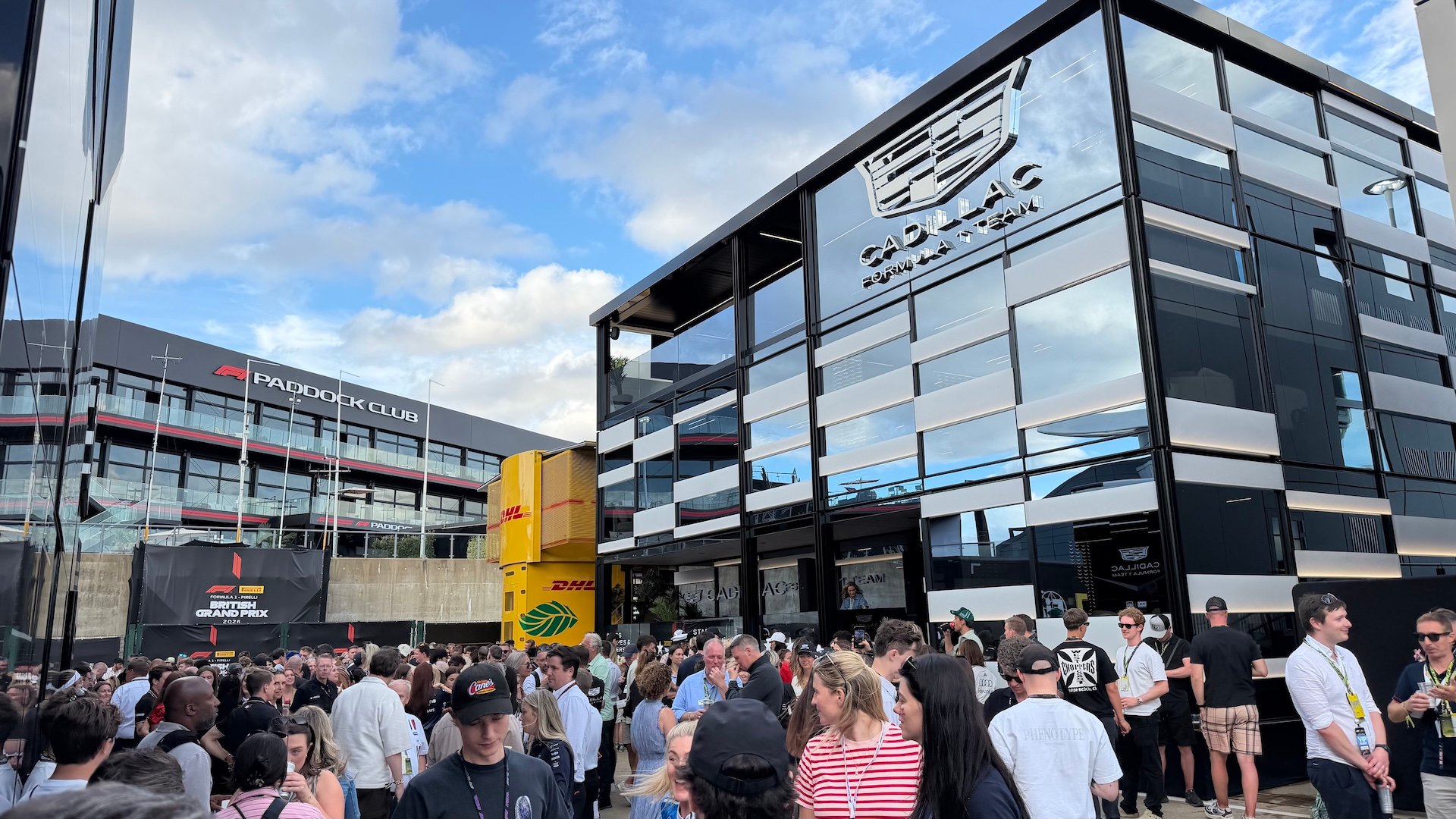
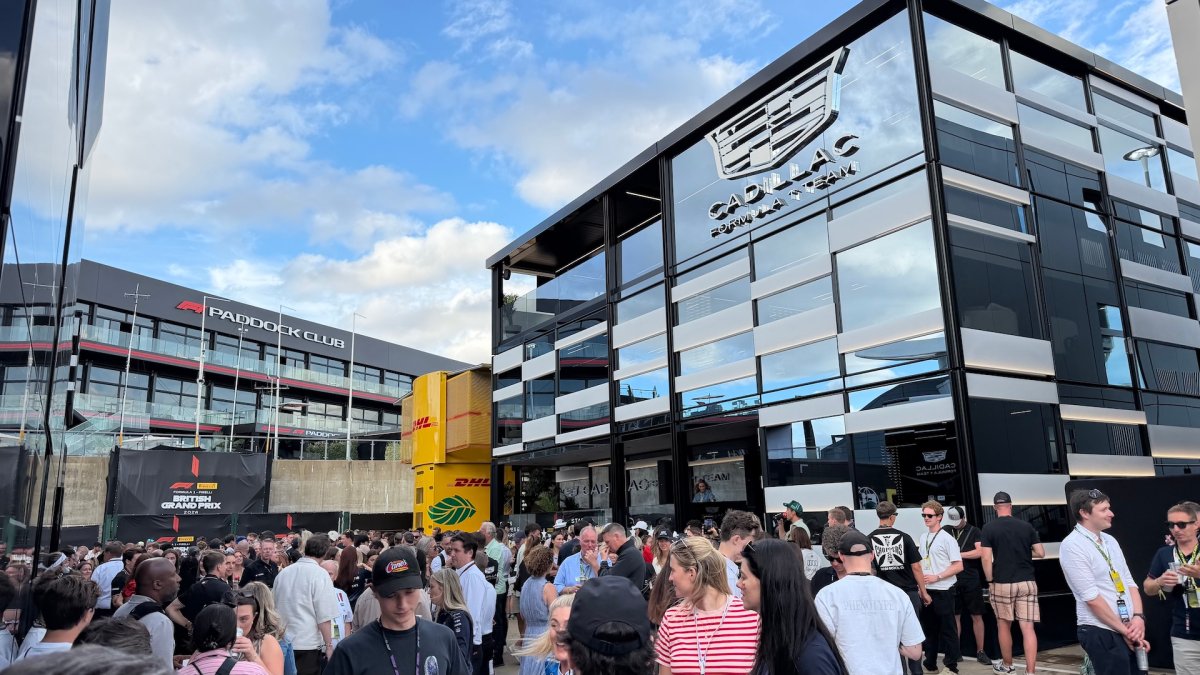
But the most interesting entry belongs to Cadillac. The newest team on the grid, still finding its feet competitively, showed up with arguably the fanciest motorhome in the paddock. There’s a certain logic to it. When you can’t yet compete on lap times, you compete on everything else.
First impressions matter in a world where sponsors walk the paddock with champagne flutes, sizing up which team looks like it belongs.
McLaren brought a serious setup too, complete with a rooftop terrace that screams Zak Brown’s brand of California-meets-Woking hospitality. Mercedes keeps it corporate and polished, the kind of place where Toto Wolff can brood over strategy in climate-controlled comfort.
Audi’s unit drew comparisons to a tank, which feels about right for a manufacturer that has spent billions buying into the sport and hasn’t turned a competitive wheel yet. Alpine went French-Modern, whatever that means in a paddock full of carbon fiber and LED screens. Aston Martin’s setup landed somewhere between cool and bland, with reports of brutal interior temperatures, not ideal when you’re trying to woo Lawrence Stroll’s latest potential investors.
Red Bull and its junior squad VCARB opted for a warehouse-style approach. Architecturally uninspired from the outside, but the interior delivers the brand’s signature energy-drink-fueled aesthetic. Form follows function when you’ve won four consecutive constructors’ championships.
Then there’s Haas. Gene Haas runs the leanest operation on the grid, and the motorhome reflects it. Minimal, functional, no pretense. Williams keeps it similarly straightforward, fitting for a team led by James Vowles, a man who seems allergic to unnecessary spending while he tries to rebuild a once-great constructor.
Even the FIA and Formula 1 Management need their own structures. The governing body and commercial rights holder each maintain substantial paddock facilities for officials, guests, and the endless meetings that shape the sport’s future.
These units serve the European calendar only, from the spring swing through the Azerbaijan Grand Prix at the end of September. After that, teams revert to whatever temporary structures the flyaway races provide. The motorhomes stay parked in some warehouse, waiting for next season’s continental tour.
The whole spectacle captures something essential about modern Formula 1. It has never been enough to simply race. You have to project wealth, ambition, and permanence, even from structures that get torn down every Monday morning. The paddock is a village rebuilt 24 times a year, and every team knows that the facade matters almost as much as the car rolling out of the garage next door.
Share this Story