
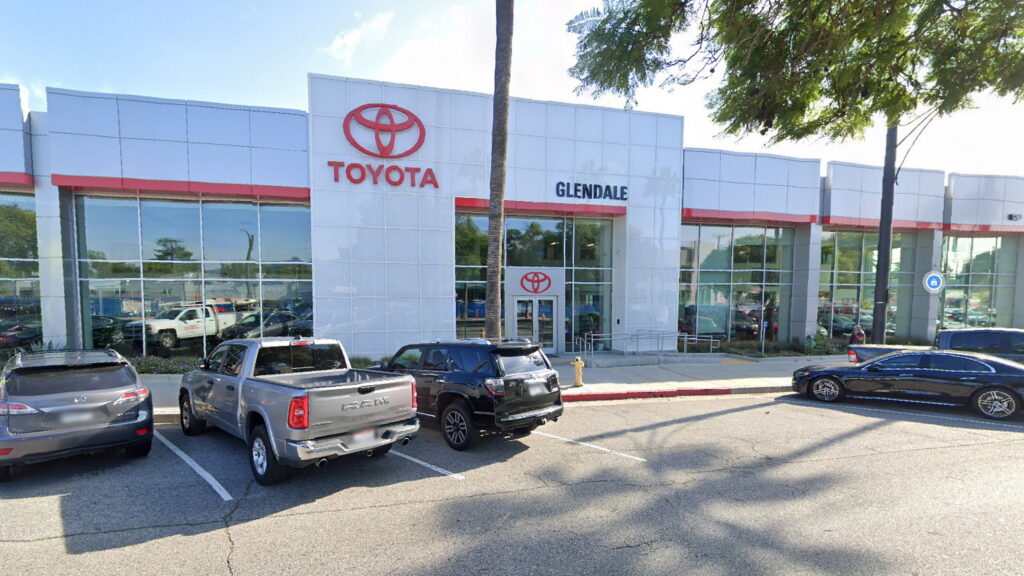


The Alliance for Automotive Innovation says California dealerships could be forced to stop selling new cars on July 1. That’s the kind of headline that gets clicks. It’s also the kind of threat that almost certainly won’t materialize.
The lobbying group, which represents nearly every major automaker in the U.S., is pushing Sacramento to pass SB 719, a bill that would delay key provisions of a domestic violence survivor protection law called SB 1394. The automakers want more time — years more — to comply with a requirement that vehicles offer occupants a way to disable location tracking from inside the car.
Here’s what gets lost in the noise: the automakers have already implemented the law’s core protection. Abuse survivors can submit documentation and have another person’s access to connected vehicle services cut off within two business days. That system is live and functioning right now.
The actual fight is narrower and more revealing than any sales-freeze scare suggests.
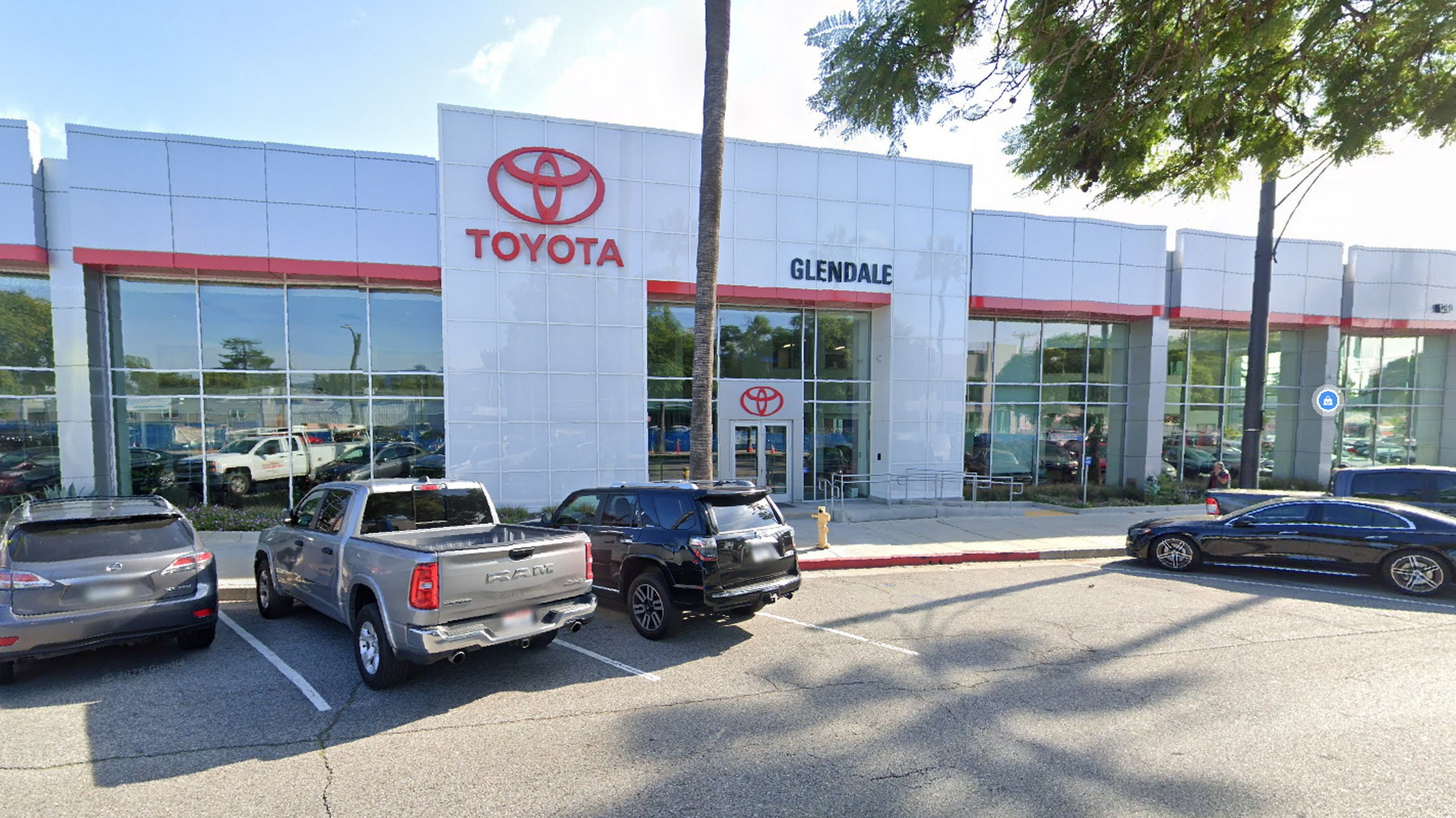
SB 1394 demands that vehicles include an in-car mechanism for drivers to shut off location sharing entirely. The industry says retrofitting millions of cars already on the road is a genuine engineering headache. Different platforms run different telematics hardware, different software stacks, different connected-service architectures.
Disabling location access without breaking navigation, theft recovery, emergency services, or driver-assistance systems requires careful validation. The Alliance wants the deadline pushed to 2027 for existing vehicles and 2031 for full fleet compliance.
That’s not an unreasonable technical argument. But it conveniently sidesteps the question of how the industry got here in the first place.
For the better part of a decade, automakers poured resources into connected-car platforms designed to harvest location and behavioral data. That data fed subscription services, powered dealer marketing, and created new revenue streams. Privacy controls were an afterthought when they existed at all.
The systems were never built with an off switch because an off switch was never in the business plan. Now the same companies are telling California legislators that adding those controls is too complex and too expensive to do on the law’s timeline. The difficulty is real, but the irony is thicker.
There’s another wrinkle buried in SB 719 that deserves attention. The delay bill doesn’t just extend deadlines. It also strips a provision from the original law that would have notified vehicle occupants when someone outside the car accessed connected services or location data.
Removing that transparency measure while asking for patience on privacy safeguards is a tough look for an industry already under scrutiny for its data practices.
As for the threatened sales halt, don’t hold your breath. California is the largest new-car market in the country. No governor, no legislature, and no automaker consortium is going to let showrooms go dark over a compliance timeline dispute.
The politics simply don’t allow it. Expect a last-minute legislative fix, a regulatory workaround, or an enforcement delay that gives everyone cover.
The real story isn’t whether California dealers stop selling cars next week. They won’t. The real story is that the auto industry built an entire connected-car ecosystem around collecting your location data, deliberately omitted easy ways to turn it off, and is now asking for another six years to add what should have been there from the start.
That’s not a sales crisis. That’s a design choice finally catching up with the people who made it.


Share this Story